Clark: October 10, 1805
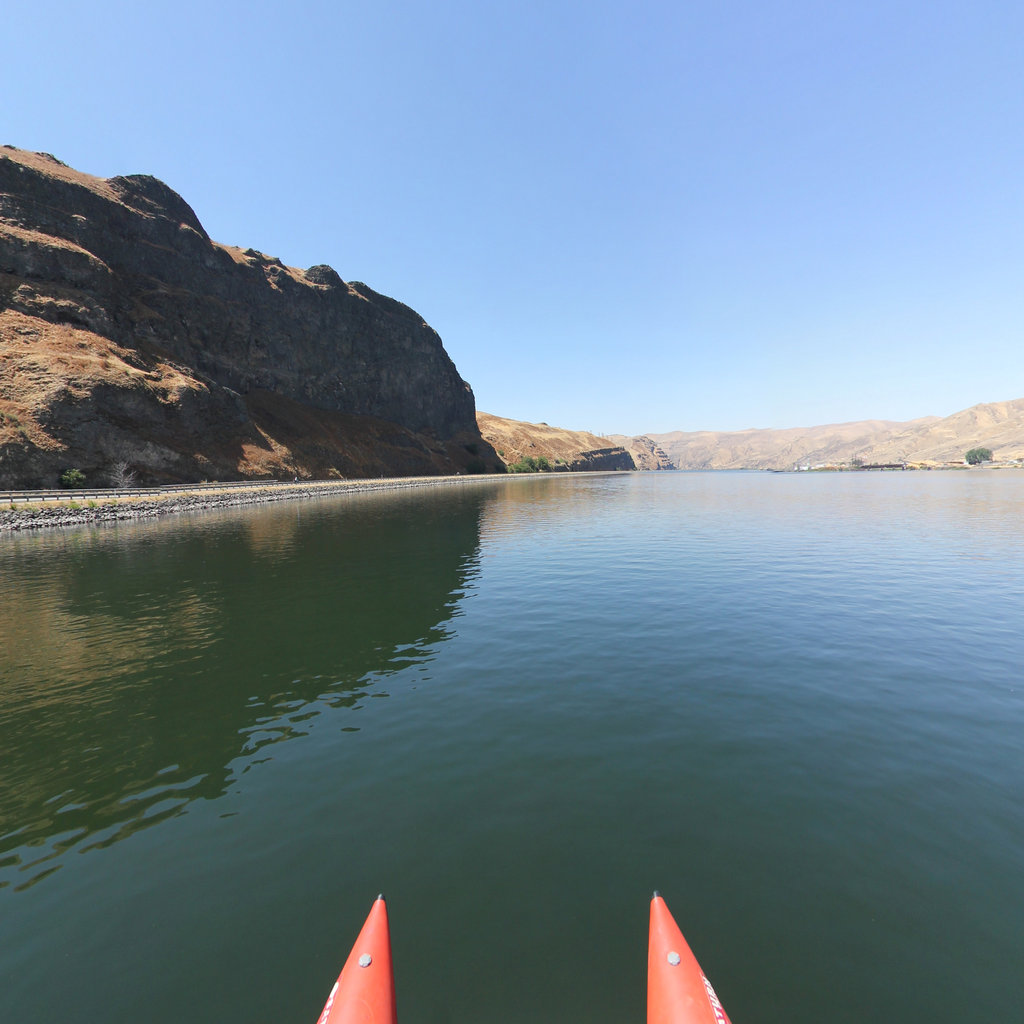
Setting out at 7 a.m. under fair weather, the party navigated several rapids and islands, stopping at Indian lodges to scout a particularly bad riffle they named Ragged Rapid, where one canoe stuck and was slightly damaged. They bought fish and dogs from the natives, took a noon sun observation, and continued to the junction of the Snake (Lewis's) River with the Kooskooske, sixty miles below the forks. Clark recorded details about the Chopunnish (Nez Perce) people's dress, customs, and territory. A quarrel arose between Charbonneau and the Field brothers, and food remained poor.
October 10th Wednesday Thursday a fine Morning loaded and Set out at 7
oClock at 21/2 miles passed a run on the Stard. Side haveing passed 2
Islands and two bad rapids at 3 miles lower passed a Creek on the Lard.
with wide Cotton willow bottoms haveing passed an Island and a rapid an
Indian Camp of three Lodgs below the Creek at 81/2 miles lower we arrived
at the heade of a verry bad riffle at which place we landed near 8 Lodges
of Indians on the Lard Side to view the riffle, haveing passed two Islands
& Six rapids Several of them verry bad-after view’g this riffle two
Canoes were taken over verry well; the third Stuck on a rock which took us
an hour to get her off which was effected without her receving a greater
injurey than a Small Split in her Side which was repared in a Short time,
we purchased fish & dogs of those people, dined and proceeded on- here
we met with an Indian from the falls at which place he Sais he Saw white
people, and expressd an inclination to accompany us, we passd. a fiew
miles above this riffle 2 Lodges and an Indian batheing in a hot bath made
by hot Stones thrown into a pon of water. at this riffle which we Call
ragid rapid took meridian altitude of the Suns upper Limb with Sextt. 74°
26′ 0″ Latd. produced ____ North at five miles lower and Sixty miles below
the forks arived at a large Southerly fork which is the one we were on
with the Snake or So-So-nee nation (haveing passed 5 rapids) This South
fork or Lewis’s River which has two forks which fall into it on the South
the ist Small the upper large and about 2 days march up imediately
parrelal to the first villages we Came to and is called by those Indians
Par-nash-te on this fork a little above its mouth resides a Chief who as
the Indian Say has more horses than he can Count and further Sayeth that
Louises River is navagable about 60 miles up with maney rapids at which
places the Indians have fishing Camps and Lodjes built of an oblong form
with flat ruffs. below the 1st river on the South Side there is ten
established fishing places on the 1st fork which fall in on the South Side
is one fishing place, between that and the Par nash to River, five fishing
places, above two, and one on that river all of the Cho-pun-nish or
Pierced Nose Nation many other Indians reside high up those rivers The
Countrey about the forks is an open Plain on either Side I can observe at
a distance on the lower Stard. Side a high ridge of Thinly timbered
Countrey the water of the South fork-is a greenish blue, the north as
clear as cristial
Imediately in the point is an Indian Cabin & in the South fork a Small
Island, we came to on the Stard. Side below with a view to make some luner
observations the night proved Cloudy and we were disapointed The Indians
Came down all the Couses of this river on each Side on horses to view us
as we were desending,The man whome we saw at the ruged rapid and
expressed an inclination to accompany us to the great rapids, came up with
his Son in a Small Canoe and procisted in his intentions- worthey of
remark that not one Stick of timber on the river near the forks and but a
fiew trees for a great distance up the River we decended I think Lewis’s
River is about 250 yards wide, the Koos koos ke River about 150 yards wide
and the river below the forks about 300 yards wide. a miss understanding
took place between Shabono one of our interpreters, and Jo. & R Fields
which appears to have originated in justour diet extremely bad
haveing nothing but roots and dried fish to eate, all the Party have
greatly the advantage of me, in as much as they all relish the flesh of
the dogs, Several of which we purchased of the nativs for to add to our
Store of fish and roots &c. &c.-
The Cho-pun-nish or Pierced nose Indians are Stout likeley men, handsom
women, and verry dressey in their way, the dress of the men are a white
Buffalow robe or Elk Skin dressed with Beeds which are generally white,
Sea Shells-i e the Mother of Pirl hung to ther hair & on a pice of
otter Skin about their necks hair Cewed in two parsels hanging forward
over their Sholders, feathers, and different Coloured Paints which they
find in their Countrey Generally white, Green & light Blue. Some fiew
were a Shirt of Dressed Skins and long legins, & Mockersons Painted,
which appears to be their winters dress, with a plat of twisted grass
about their necks.
The women dress in a Shirt of Ibex, or Goat Skins which reach quite down
to their anckles with a girdle, their heads are not ornemented, their
Shirts are ornemented with quilled Brass, Small peces of Brass Cut into
different forms, Beeds, Shells & curios bones &c. The men expose
those parts which are generally kept from view by other nations but the
women are more perticular than any other nation which I have passed in
Screting the parts
Their amusements appear but fiew as their Situation requires the utmost
exertion to prcure food they are generally employed in that pursute, all
the Summer & fall fishing for the Salmon, the winter hunting the deer
on Snow Shoes in the plains and takeing care of ther emence numbers of
horses, & in the Spring cross the mountains to the Missouri to get
Buffalow robes and meet &c. at which time they frequent meet with
their enemies & lose their horses & maney of ther people
Ther disorders are but fiew and those fiew of a Scofelous nature. they
make great use of Swetting. The hot and cold baethes, They are verry
Selfish and Stingey of what they have to eate or ware, and they expect in
return Something for everything give as presents or the Survices which
they doe let it be however Small, and fail to make those returns on their
part.
Read this entry in modern English AI-translated
October 10th Wednesday Thursday. A fine morning. Loaded and set out at 7 o'clock. At 2½ miles passed a run on the starboard side, having passed 2 islands and two bad rapids. At 3 miles lower passed a creek on the larboard side with wide cottonwood and willow bottoms, having passed an island and a rapid, and an Indian camp of three lodges below the creek. At 8½ miles lower we arrived at the head of a very bad riffle, at which place we landed near 8 lodges of Indians on the larboard side to view the riffle, having passed two islands and six rapids, several of them very bad. After viewing this riffle, two canoes were taken over very well; the third stuck on a rock, which took us an hour to get her off. This was accomplished without her receiving any greater injury than a small split in her side, which was repaired in a short time. We purchased fish and dogs from those people, dined, and proceeded on. Here we met with an Indian from the falls, at which place he says he saw white people, and he expressed an inclination to accompany us. We passed, a few miles above this riffle, 2 lodges and an Indian bathing in a hot bath made by hot stones thrown into a pond of water. At this riffle, which we call Ragged Rapid, I took the meridian altitude of the sun's upper limb with the sextant: 74° 26' 0". Latitude produced ____ North.
At five miles lower, and sixty miles below the forks, we arrived at a large southerly fork, which is the one we were on with the Snake or So-So-nee nation (having passed 5 rapids). This south fork, or Lewis's River, has two forks which fall into it on the south, the first small, the upper large and about 2 days' march up, immediately parallel to the first villages we came to, and is called by those Indians Par-nash-te. On this fork, a little above its mouth, resides a chief who, as the Indians say, has more horses than he can count. They further say that Lewis's River is navigable about 60 miles up, with many rapids, at which places the Indians have fishing camps and lodges built of an oblong form with flat roofs. Below the first river on the south side there are ten established fishing places. On the first fork which falls in on the south side is one fishing place; between that and the Par-nash-te River, five fishing places; above, two; and one on that river — all of the Cho-pun-nish or Pierced Nose Nation. Many other Indians reside high up those rivers. The country about the forks is an open plain on either side. I can observe at a distance on the lower starboard side a high ridge of thinly timbered country. The water of the south fork is a greenish blue; the north is as clear as crystal.
Immediately in the point is an Indian cabin, and in the south fork a small island. We came to on the starboard side below, with a view to make some lunar observations. The night proved cloudy, and we were disappointed. The Indians came down all the courses of this river on each side on horses to view us as we were descending. The man whom we saw at the Ragged Rapid and who expressed an inclination to accompany us to the great rapids came up with his son in a small canoe and persisted in his intentions. Worthy of remark, there is not one stick of timber on the river near the forks, and but a few trees for a great distance up the river we descended. I think Lewis's River is about 250 yards wide, the Kooskooske River about 150 yards wide, and the river below the forks about 300 yards wide. A misunderstanding took place between Shabono (one of our interpreters) and Jo. and R. Fields, which appears to have originated in jest. Our diet is extremely bad, having nothing but roots and dried fish to eat. All the party have greatly the advantage of me, inasmuch as they all relish the flesh of the dogs, several of which we purchased from the natives to add to our store of fish and roots, etc.
The Cho-pun-nish or Pierced Nose Indians are stout, likely men, with handsome women, and very dressy in their way. The dress of the men is a white buffalo robe or elk skin dressed with beads, which are generally white, and sea shells — i.e., mother of pearl — hung to their hair and on a piece of otter skin about their necks. Their hair is queued in two parcels hanging forward over their shoulders. They wear feathers and different colored paints which they find in their country, generally white, green, and light blue. Some few wear a shirt of dressed skins, and long leggings, and moccasins painted, which appears to be their winter dress, with a plait of twisted grass about their necks.
The women dress in a shirt of ibex or goat skins, which reach quite down to their ankles, with a girdle. Their heads are not ornamented. Their shirts are ornamented with quilled brass, small pieces of brass cut into different forms, beads, shells, and curious bones, etc. The men expose those parts which are generally kept from view by other nations, but the women are more particular than any other nation which I have passed in screening those parts.
Their amusements appear but few, as their situation requires the utmost exertion to procure food. They are generally employed in that pursuit: all the summer and fall fishing for the salmon, the winter hunting the deer on snowshoes in the plains and taking care of their immense numbers of horses, and in the spring crossing the mountains to the Missouri to get buffalo robes and meat, etc., at which time they frequently meet with their enemies and lose their horses and many of their people.
Their disorders are but few, and those few of a scrofulous nature. They make great use of sweating, and of hot and cold baths. They are very selfish and stingy of what they have to eat or wear, and they expect in return something for everything they give as presents or for the services which they do, let it be however small, and they fail to make those returns on their part.
This modernization is AI-generated for accessibility. The original above is the authoritative version.
Entities mentioned in this entry
Auto-extracted from the entry text. Hover any entity for context.