Lewis: February 20, 1806
Thursday February 20th 1806. Permited Collins to hunt this morning he
returned in the evening unsuccessfull as to the chase but brought with him
some cranberries for the sick. Gibson is on the recovery fast; Bratton has
an obstenate cough and pain in his back and still appears to be geting
weaker. McNeal from his inattention to his disorder has become worse.
This forenoon we were visited by Tdh-cum a principal Chief of the
Chinnooks and 25 men of his nation. we had never seen this cheif before he
is a good looking man of about 50 years of age reather larger in statue
than most of his nation; as he came on a friendly visit we gave himself
and party some thing to eat and plyed them plentifully with smoke. we gave
this cheif a small medal with which he seemed much grati-fyed. in the
evening at sunset we desired them to depart as is our custom and closed
our gates. we never suffer parties of such number to remain within the
fort all night; for notwithstanding their apparent friendly disposition,
their great averice and hope of plunder might induce them to be
treacherous. at all events we determined allways to be on our guard as
much as the nature of our situation will permit us, and never place our
selves at the mercy of any savages. we well know, that the treachery of
the aborigenes of America and the too great confidence of our countrymen
in their sincerity and friendship, has caused the distruction of many
hundreds of us. so long have our men been accustomed to a friendly
intercourse with the natives, that we find it difficult to impress on
their minds the necessity of always being on their guard with rispect to
them. this confidence on our part, we know to be the effect of a series of
uninterupted friendly intercouse, but the well known treachery of the
natives by no means entitle them to such confidence, and we must check
it’s growth in our own minds, as well as those of our men, by recollecting
ourselves, and repeating to our men, that our preservation depends on
never loosing sight of this trait in their character, and being always
prepared to meet it in whatever shape it may present itself.-
The Mule deer are the same with those of the plains of the Missouri so
frequently mentioned. we met with them under the Rocky mountains in the
Neighbourhood of the Chopunnish nation on the Kooskooske river, but have
not seen them since nor do we know whether they exist in the interior of
the great plains of Columbia or on their lower border near the mountains
which pass the river about the great falls. The Elk is the same with that
found in much the greatest portion of North America, they are common to
every part of this country, as well the timbered lands as the plains, but
are much more abundant in the former than the latter The large brown woolf
is like that of the Atlantic States and are found only in the woody
country on the Pacific Ocean imbracing the mountains which pass the
Columbia between the great falls and rapids of the same. the large and
small woolves of the plains are the inhabitants principally of the open
country and the woodlands on their borders and resemble in their habits
and appearance those of the plains of the Missouri precisely. they are not
abundant in the plains of Columbia because there is but little game on
which for them to subsist.
Entities mentioned in this entry
Auto-extracted from the entry text. Hover any entity for context.
Terrain360 · the place today
Fort Clatsop, winter quarters in 360°
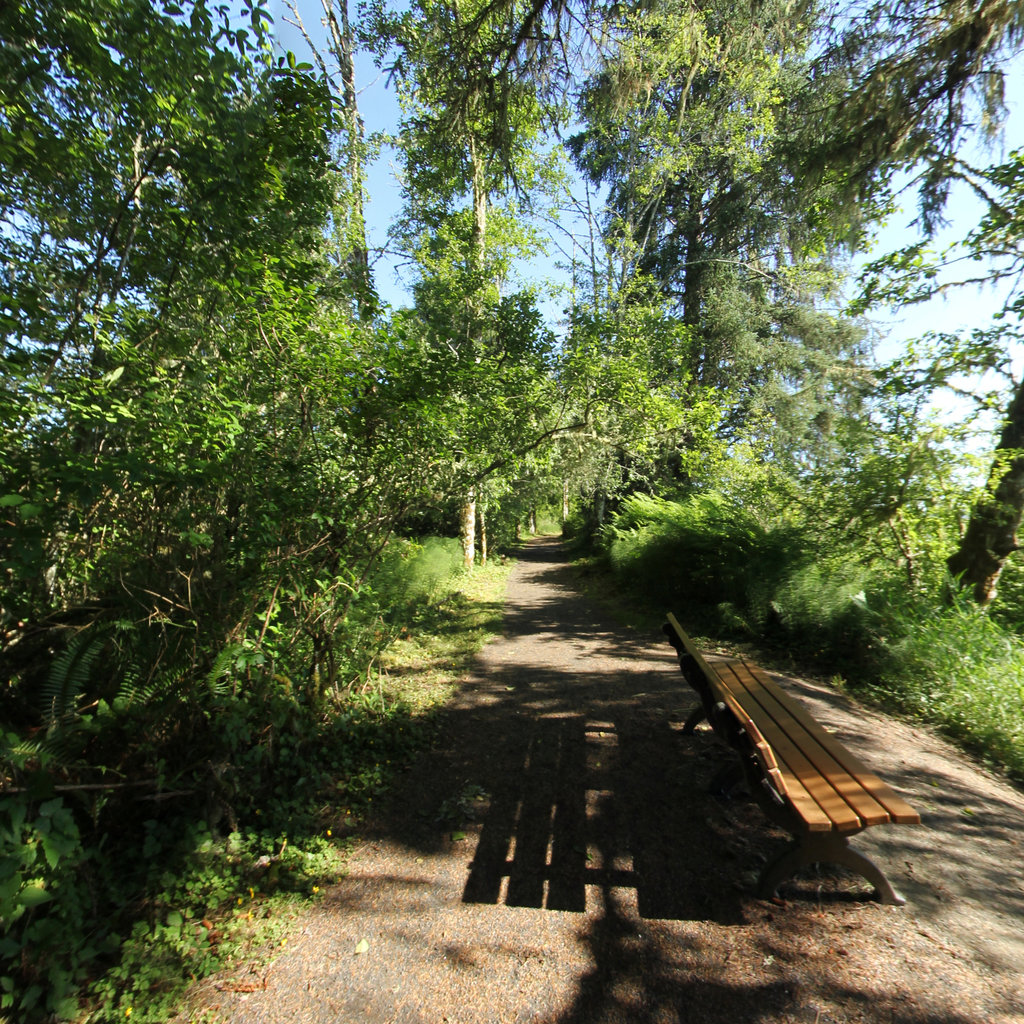
10 frames across 0.8 mi of the route around this location
Analyses
Artwork
Help improve this record
See something that needs correcting, or know a source we are missing? The archive gets better through its readers.


