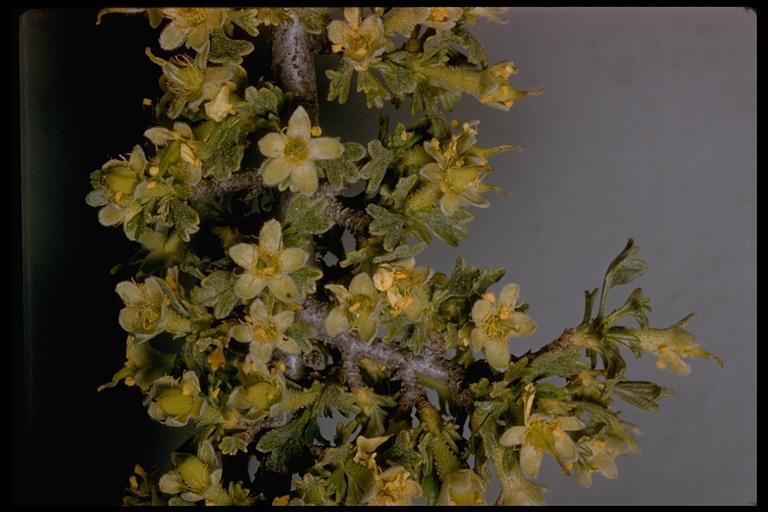
Plant
Western Red Cedar
Thuja plicata

Photo: Walter Siegmund, CC BY-SA 3.0
Common Names
Arborvitae / Large Cedar
Habitat
Moist lowland and mountain forests of the Pacific Northwest
First Observed
1805-09-20
Observed At
Lolo Trail, near present-day Lolo Pass, Idaho-Montana border
Lewis and Clark encountered the western red cedar as they crossed the Bitterroot Mountains and descended into the Pacific Northwest in September 1805. They called it “arborvitae” after the similar northeastern white cedar, though the western species was far larger. The wood was critical for the expedition — they used it to build dugout canoes for the Columbia River descent. The western red cedar was also central to Northwest Native cultures, used for longhouses, canoes, clothing, and art.
Journal Excerpt
Lewis, September 20, 1805: "the Arborvita is also common and grows to an immence size, being from 2 to 6 feet in diameter."
Journal References
15 journal entries mention Western Red Cedar
Jun
7
1804
Missouri River near Osage River — John Ordway: June 7, 1804
...lifts of Rocks, about 2 miles further we Come to a
1 Modern Cedar Creek, which empties into the Missouri from the north side
opposite Jefferson City.
2 Clark calls t...
Jul
10
1804
Missouri River near St. Joseph area — John Ordway: July 10, 1804
...s gun out of the boat. Coues identities the stream as
modem Cedar Creek in Doniphan County.
1804] SERGEANT ORDWAY'S JOURNAL 95
Island called De Silamen1 and Delayed ...
Aug
22
1804
Missouri River near Vermillion area — Patrick Gass: August 22, 1804
... nine or ten miles runs close to the
river, where there are cedar bluffs of various colours. We
encamped on the north side.
Aug
24
1804
Missouri River near Vermillion area — Patrick Gass: August 24, 1804
Captain Clarke went by land. We passed cedar bluffs on the
north side, a part of which were burning; and there are here
to be found mineral subs...
Sep
4
1804
Missouri River near Niobrara River — Patrick Gass: September 4, 1804
...ed not long
since. We encamped on the south side among some cedar
trees.
Sep
21
1804
Missouri River near Big Bend — Patrick Gass: September 21, 1804
...and a handsome
bottom on the north side; and beyond these a cedar bottom
on the south side and bluffs on the north; passed a creek on
the south side, called Tyler’...
Sep
22
1804
Missouri River near Big Bend — John Ordway: September 22, 1804
...undary between Lyman and
Stanley counties, the first called Cedar or Dorion Island, and the second Dorion
Island No. 2. The latter was the site of Loisel's fort, of ...
Sep
22
1804
Missouri River near Big Bend — Patrick Gass: September 22, 1804
...e and high plains on the
north. About 3 o’clock we passed cedar island, one of the
Three Sisters, where Mr. Lucelle had built a fort of cedar.
The space picketed i...
May
12
1805
Missouri River Breaks area — Patrick Gass: May 12, 1805
...assed some hills on the North side, cov-
ered with pine and cedar, the first timber of any kind we have
seen on the hills for a long time. At 1 we halted for dinner
...
Jul
19
1805
Missouri River above Great Falls, Gates of the Mountains — Patrick Gass: July 19, 1805
of the mountains, which had a good deal of pine, spruce and
cedar on them, and where there were not so many rocks;
but no timber in the bottoms except some small wil...
Jul
26
1805
Three Forks of the Missouri — Patrick Gass: July 26, 1805
course through the mountains. There are some cedar and
spruce trees on the shores; but very little of any kind on the
mountains. About 11 o’clock we...
Sep
23
1805
Nez Perce villages on Clearwater — Patrick Gass: September 23, 1805
... calculated for making millstones ; and some
beautiful tall cedars among the spruce pine. Night came on
before we got off this ridge, and we had much difficulty in
f...
Nov
5
1805
Columbia River tidewater, approaching estuary — Patrick Gass: November 5, 1805
...t many Indian camps, their lodges made
chiefly of poles and cedar bark. At noon we stopped about
an hour at an island, and some of the men went out and
killed nine b...
Nov
17
1805
Exploring for winter camp site, south shore of Columbia — Patrick Gass: November 17, 1805
...ringe petticoats, made of filaments
or tassels of the white cedar bark wrought with a string at
the upper part, which is tied round the waist. These tassels
or fring...
Nov
19
1805
Exploring for winter camp site, south shore of Columbia — Patrick Gass: November 19, 1805
...rant skins: one of them had a hat
made of the bark of white cedar and bear-grass, very hand-
somely wrought and water proof.—One of our party pur-
chased it for an...