Clark: March 30, 1806
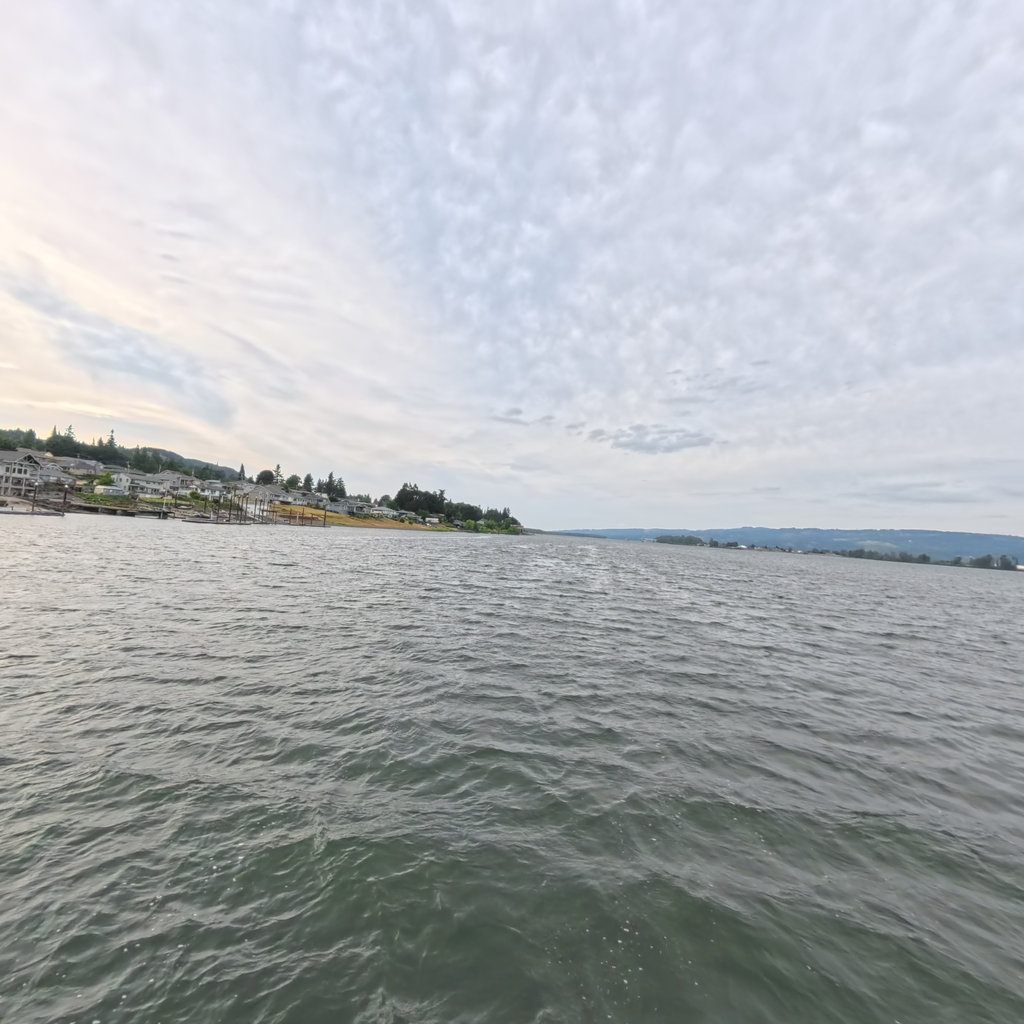
The expedition set out early and traveled 22 miles upriver against strong current, wind, and rain. Throughout the day they encountered numerous canoes from various tribes living around Wappato Island, including the Clackstar, Cathlacumup, Clannahquah, Multnomah, and Shoto. They breakfasted at their November 4th campsite and traded small fishing hooks for sturgeon, wappato, and camas roots. Joseph Field shot an elk and brought in a duck. They camped opposite Image Canoe Island. Clark recorded observations on local tribes' dress, houses, trade in wappato, and iron scimitars. They sighted and named Mount Jefferson.
Sunday March 30th 1806 we got under way verry early and had not proceeded
to the head of the island before we met with the three men of the
Clan-nar-min-a-mon’s who met us yesterday brackfast at the upper point of
the Island we met Several of the Clackstar and Cath-lah-cum-up in two
canoes. Soon after we were overtaken by Several Canoes of different tribes
who reside on each Side of the river the three above Tribes and the
Cldh-in-na-ta cath-lahnah-qui-up & Cath-lah-com-mah-tup reside on each
Side of Wappato inlet and back of Wappato Island which Island is formed by
a Small Chanel which passes from the Lower part of Image Canoe Island into
an inlet which makes in from the S W. Side, and receves the water of a
Creek which heads with the Kil a mox River. this wappato Island is about
18 or 20 Miles long and in places from 6 to 10 miles wide high &
furtile with ponds on different parts of it in which the nativs geather
Wappato. nearly opposit the upper point of the Isld. behing which we
encamped last night, or on the Wappato Isld. is Several Camps of the
nativs catching Sturgion. about 5 miles Still higher up and on the N E.
Side we halted for brackfast at the place which We had encamped the 4th of
November last. here we were visited by several canoes of Indians from two
Towns a Short distance above on the Wappato Island. the 1st of those
Tribes Call themselves Clan-nah-quah and Situated about 2 miles above us,
the other about a mile above Call themselves Mult-no-mah we purchased of
those visitors a Sturgion and Some Wappato & quarmarsh roots for which
we gave Small fishing hooks. at 10 a.m. we Set out and had not proceeded
far before we came to a landing place where there was Several large canoes
hauled up, and Sitting in a canoe, appearantly waiting our arival with a
view to join the fleet indian who was then along Side of us. this man
informed he was a Shoto and that his nation resided a little distance from
the river. we landed and one of the indians pointed to the Shoto village
which is Situated back of Pond which lies parrelal with the river on the N
E. Side nearly opposit the Clan-nah quah village. here we were also joined
by Several Canoes loaded with the natives from the Island who Continued to
accompany us untill about 4 oClock when they all returned and we proceeded
on to the place the Indians Stole my Tomahawk 4th Novr. last and Encamped
in a Small Prarie above a large Pond on N. E and opposit the Center of
image Canoe Island. capt Lewis walked out and Saw Several deer. Jo. Field
Shot at Elk he killed and brought in a fine duck. Soon after I had got
into bead an Indian came up alone in a Small Canoe. Those tribes of
Indians who inhabit this vally differ but little in either their dress,
manners, habuts and language from the Clat Sops Chinnooks, and others on
the Sea coast. they differ in a fiew words and a little in the accent. The
men are Stouter and much better formed than those of the Sea Coast. more
of their womin ware their hair braded in two tresses and hang over each
ear. in Stead of the tissue of bark worn by the women below, they ware a
kind of leather breech clout as before described as worn by the Womin at
the enterance of Lewis’s river-the width of a Common pocket Handkerchief
or Something Smaller and longer. the two Corners of this at one of the
narrow ends are confined in front just above the hips; the other Side is
then brought between their legs, Compressed into a narrow folding bundle
is drawn tight, and the Corners a little Spred in front tucked at the ends
over and around the part first confined about the Waiste. a Small roab
which does not reach the Waiste is their usial and only garment commonly
worn besides this just mentioned. when the weather is a little worm the
roab is thrown aside, and the latter truss or breach clout constitutes the
whole of their apparreal. this is a much more indesant article than the
tissue of bark, and bearly covers the Mons versus, to which it is drawn So
close that the whole Shape is plainly perseived. The Houses are Similar to
those already descrbed. they are fond of Sculpture. various figures are
carved and painted on the pieces which Support the Center of the roof
about their dotes and beads. They are well Supplied with anchoves Sturgion
and Wappato. The latter furnishes the principal article of traffic with
those Tribes which they despose of to the nativs below in exchange for
beeds, Cloath and Various articles. the nativs of the Sea coast and lower
part of this river will dispose of their most valueable articles to obtain
this root. I saw in Several houses of the Cath lah poh tie Village large
Symeters of Iron from 3 to 4 feet long which hangs by the heads of their
beads; the blade of this weapon is thickest in the Center tho thin even
there, all it’s edges are Sharp and its greatest width which is about 9
inches from the point, is about 4 inches. the form is this this is a
formable weapon. they have heavy bludgeons of wood made in the Same form
nearly which I prosume they use for the Same purpose before they obtained
metal. we made 22 Miles only to day the wind and a Strong current being
against us all day, with rain. discovered a high mountain S E. Covered
with Snow which we call Mt. Jefferson.
Read this entry in modern English AI-translated
Sunday, March 30th, 1806. We got under way very early and had not proceeded to the head of the island before we met with the three men of the Clan-nar-min-a-mon's who met us yesterday at breakfast at the upper point of the island. We met several of the Clackstar and Cath-lah-cum-up in two canoes. Soon after, we were overtaken by several canoes of different tribes who reside on each side of the river. The three above tribes, and the Cldh-in-na-ta, Cath-lahnah-qui-up, and Cath-lah-com-mah-tup, reside on each side of Wappato Inlet and back of Wappato Island. This island is formed by a small channel which passes from the lower part of Image Canoe Island into an inlet which comes in from the SW side, and receives the water of a creek that has its head near the Kil a mox River. This Wappato Island is about 18 or 20 miles long and in places from 6 to 10 miles wide, high and fertile, with ponds on different parts of it in which the natives gather wappato.
Nearly opposite the upper point of the island, behind which we camped last night, or on the Wappato Island, are several camps of the natives catching sturgeon. About 5 miles still higher up, and on the NE side, we halted for breakfast at the place where we had camped on the 4th of November last. Here we were visited by several canoes of Indians from two towns a short distance above on the Wappato Island. The first of those tribes call themselves Clan-nah-quah and are situated about 2 miles above us; the other, about a mile above, call themselves Mult-no-mah. We purchased from those visitors a sturgeon and some wappato and quamash roots, for which we gave small fishing hooks.
At 10 a.m. we set out and had not proceeded far before we came to a landing place where there were several large canoes hauled up, and a man sitting in a canoe, apparently waiting our arrival with a view to join the fleet Indian who was then alongside of us. This man informed us he was a Shoto and that his nation resided a little distance from the river. We landed and one of the Indians pointed to the Shoto village, which is situated back of a pond that lies parallel with the river on the NE side, nearly opposite the Clan-nah-quah village. Here we were also joined by several canoes loaded with the natives from the island, who continued to accompany us until about 4 o'clock, when they all returned, and we proceeded on to the place where the Indians stole my tomahawk on the 4th of November last, and camped in a small prairie above a large pond on the NE and opposite the center of Image Canoe Island. Capt Lewis (Capt. Lewis) walked out and saw several deer. Jo. Field shot at an elk he killed and brought in a fine duck. Soon after I had gotten into bed, an Indian came up alone in a small canoe.
Those tribes of Indians who inhabit this valley differ but little in their dress, manners, habits, and language from the Clatsops, Chinooks, and others on the sea coast. They differ in a few words and a little in the accent. The men are stouter and much better formed than those of the sea coast. More of their women wear their hair braided in two tresses and hanging over each ear. Instead of the tissue of bark worn by the women below, they wear a kind of leather breech clout as before described as worn by the women at the entrance of Lewis's River — the width of a common pocket handkerchief, or something smaller and longer. The two corners of this, at one of the narrow ends, are fastened in front just above the hips; the other side is then brought between their legs, compressed into a narrow folded bundle, drawn tight, and the corners a little spread in front, tucked at the ends over and around the part first fastened about the waist. A small robe, which does not reach the waist, is their usual and only garment commonly worn besides the one just mentioned. When the weather is a little warm, the robe is thrown aside, and the breech clout constitutes the whole of their apparel. This is a much more indecent article than the tissue of bark, and barely covers the mons veneris, to which it is drawn so close that the whole shape is plainly perceived.
The houses are similar to those already described. They are fond of sculpture. Various figures are carved and painted on the pieces which support the center of the roof, about their doors and beds. They are well supplied with anchovies, sturgeon, and wappato. The latter furnishes the principal article of trade with those tribes, which they dispose of to the natives below in exchange for beads, cloth, and various articles. The natives of the sea coast and lower part of this river will dispose of their most valuable articles to obtain this root.
I saw in several houses of the Cath lah poh tie village large scimitars of iron, from 3 to 4 feet long, which hang by the heads of their beds. The blade of this weapon is thickest in the center, though thin even there; all its edges are sharp, and its greatest width, which is about 9 inches from the point, is about 4 inches. The form is this. This is a formidable weapon. They have heavy bludgeons of wood made in nearly the same form, which I presume they used for the same purpose before they obtained metal.
We made only 22 miles today, the wind and a strong current being against us all day, with rain. Discovered a high mountain to the SE covered with snow, which we call Mt. Jefferson.
This modernization is AI-generated for accessibility. The original above is the authoritative version.
Entities mentioned in this entry
Auto-extracted from the entry text. Hover any entity for context.