
Multnomah
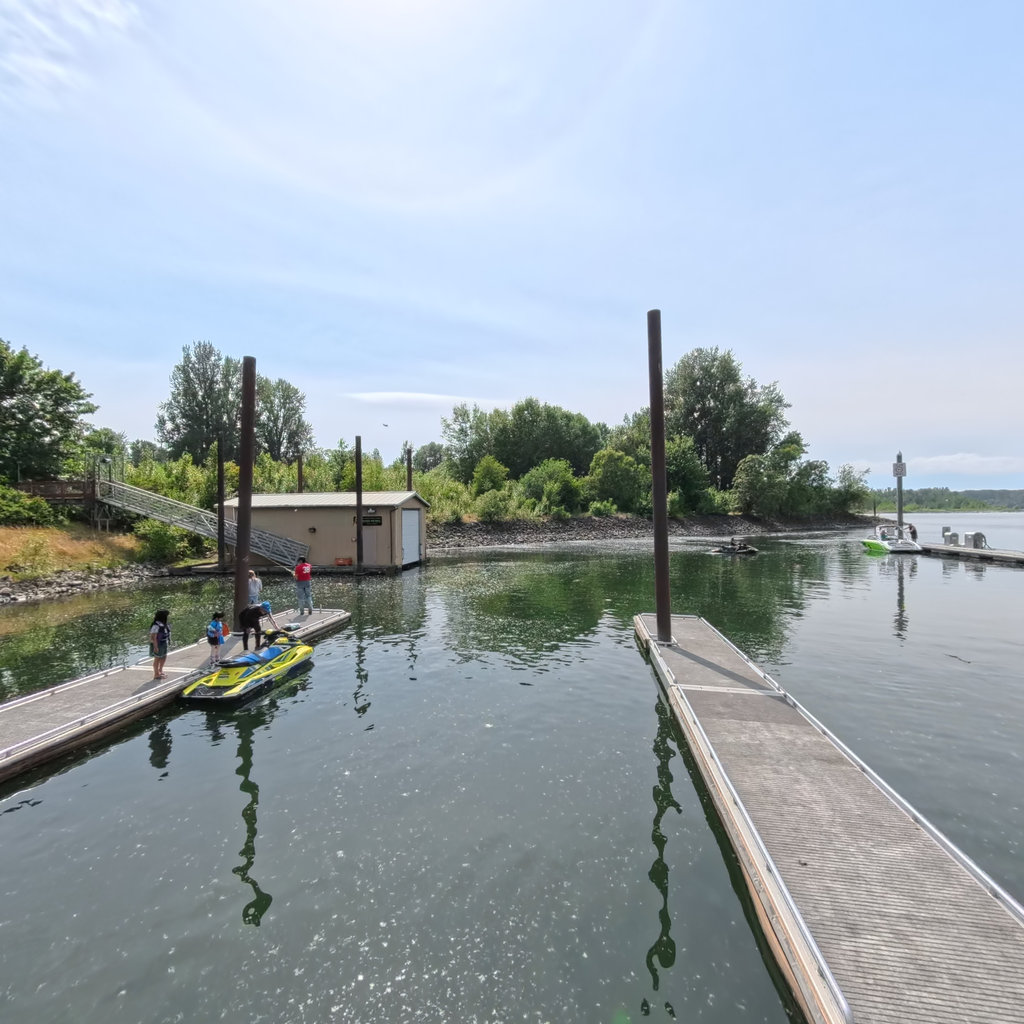
The Multnomah were a Chinookan-speaking people who inhabited the area around the confluence of the Willamette and Columbia Rivers, including Sauvie Island and the Portland Basin of present-day Oregon. Clark explored the lower Willamette River in April 1806 on the return journey and documented large Multnomah villages, noting their substantial cedar plank houses, extensive use of wapato root, and active participation in Columbia River trade. The term "Multnomah" as used by Lewis and Clark likely encompassed several related Chinookan bands in the Portland Basin area. Like other Chinookan peoples of the lower Columbia, the Multnomah were devastated by disease in the decades following contact.
Portrait: Wikimedia Commons / Wikipedia: Multnomah Falls (homeland)
Most Mentioned in Multnomah-tagged Entries
People
- Capt Lewis (8)
- Capt. Clark (7)
- Joseph Field (7)
- Drouillard (6)
- Nathaniel Pryor (4)
- Reubin Field (3)
- York (2)
- Patrick Gass (2)
- Collins (2)
- Shannon (2)
Places
- Columbia River (13)
- Snake River (7)
- Rocky Mountains (7)
- Mt. Hood (5)
- Multnomah river (5)
- Mt. Jefferson (4)
- Mount Hood (4)
- Multnomah River (4)
- Image Canoe Island (3)
- Wappetoe Island (3)
Territory & Encounter Locations
Note: the longest gap between tagged appearances is about 5 months (Nov 4, 1805 → Mar 30, 1806). No journal entries during that window were explicitly tagged with this nation.
Journal Entries (19)



Cross-Narrator Analyses
Analyses that cite or discuss Multnomah — showing 5 of the most recent matches.
The Multnomah Revealed: A River Missed Twice and a Plan Reconsidered
The encampment near the mouth of the Washougal produced a convergence of the return: a planning entry shared almost verbatim by the…
Crossing to the Walla Walla: Four Pens, One Fish-Weir
The entries for April 29, 1806 capture a single logistical event — ferrying the Corps and its baggage across the Columbia at…
Drying Elk and Describing a Quail: Four Pens at the Cascades
April 7, 1806 finds the Corps of Discovery encamped above the Cascades of the Columbia, drying the flesh of five elk Shannon…
Four Pens at the Cascades: A Quail, an Elk Camp, and the Measure of a River
The expedition's ascent of the Columbia on April 6, 1806 produced four overlapping accounts of a single day: a 9 A.M. departure,…
Two Camps, Two Rivers: Discovery and Hunger on the Columbia
The journal entries of April 3, 1806, capture the Lewis and Clark expedition operating on two fronts simultaneously. While Captain Clark concluded…
From the Heacock Memorial Archive
3 lewis-clark.org articles that mention Multnomah, preserved here for Robert Heacock’s photography. The articles were written by that site’s contributing authors.
Your Nation, your story
Are you a representative or member of this Nation? Help us tell this story accurately: review how your Nation is represented, correct the record, or contribute materials and perspective.


