360° capture 3.1 mi away
Sep 25, 1804 – Aug 25, 1806
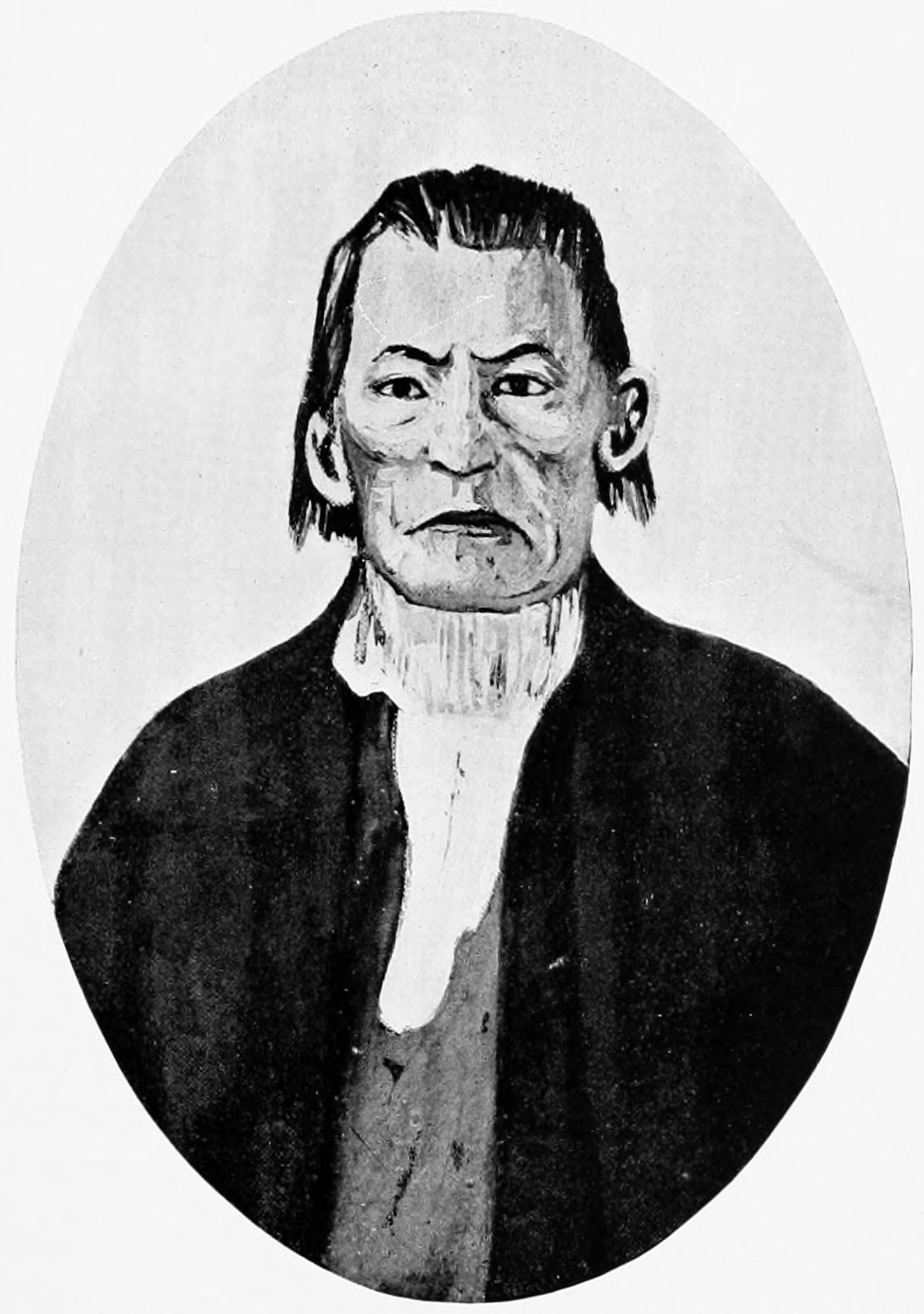
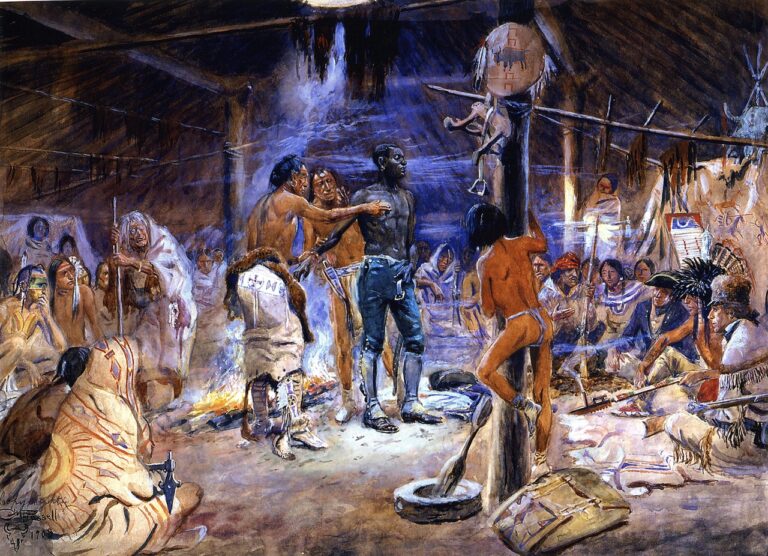
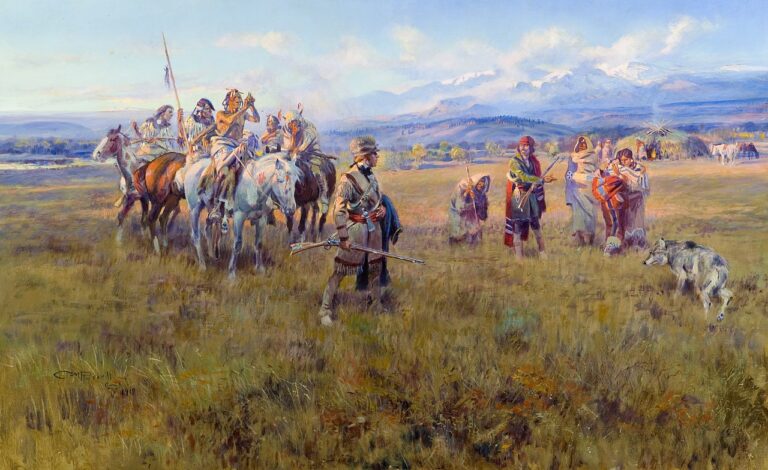
Black Buffalo (Un-tongar-Sar-bar) was a chief of the Brulé band of the Teton Sioux (Lakota) who played a central role in one of the most dangerous confrontations of the Lewis and Clark Expedition. In late September 1804, near present-day Pierre, South Dakota, tensions escalated between the Corps and the Teton Sioux over tribute demands. While his fellow chief The Partisan provoked the crisis, Black Buffalo ultimately helped de-escalate the situation, allowing the expedition to continue upriver. The encounter demonstrated the power of the Teton Sioux as gatekeepers of Missouri River trade.
360° capture 3.1 mi away Sep 25, 1804 – Aug 25, 1806
360° capture 2.1 mi away Analyses that cite or discuss Black Buffalo — showing 4 of the most recent matches.
This analysis was prepared with AI assistance and reviewed by a human editor.The entries for September 24, 1804, capture the expedition's arrival…
The encounter at the mouth of the Bad River produced one of the richest cross-narrator records of the early expedition. Three enlisted…
The 30 August 1806 entries from Patrick Gass, John Ordway, and William Clark describe a single event: an armed riverine standoff with…
Introduction: A Single Entry, A Defining ConfrontationThe journal record provided here is exceptionally limited — only one entry (September 25, 1804) explicitly…
Get help using the archive in your work, suggest sources we should include, or talk with us about collaboration and classroom use.



New findings, additions, and corrections from the archive. One email a month, no noise.
Spotted something wrong, missing, or want to contribute? Tell us — we read every submission.