Journal Entry

Lewis: April 5, 1806

April 5, 1806
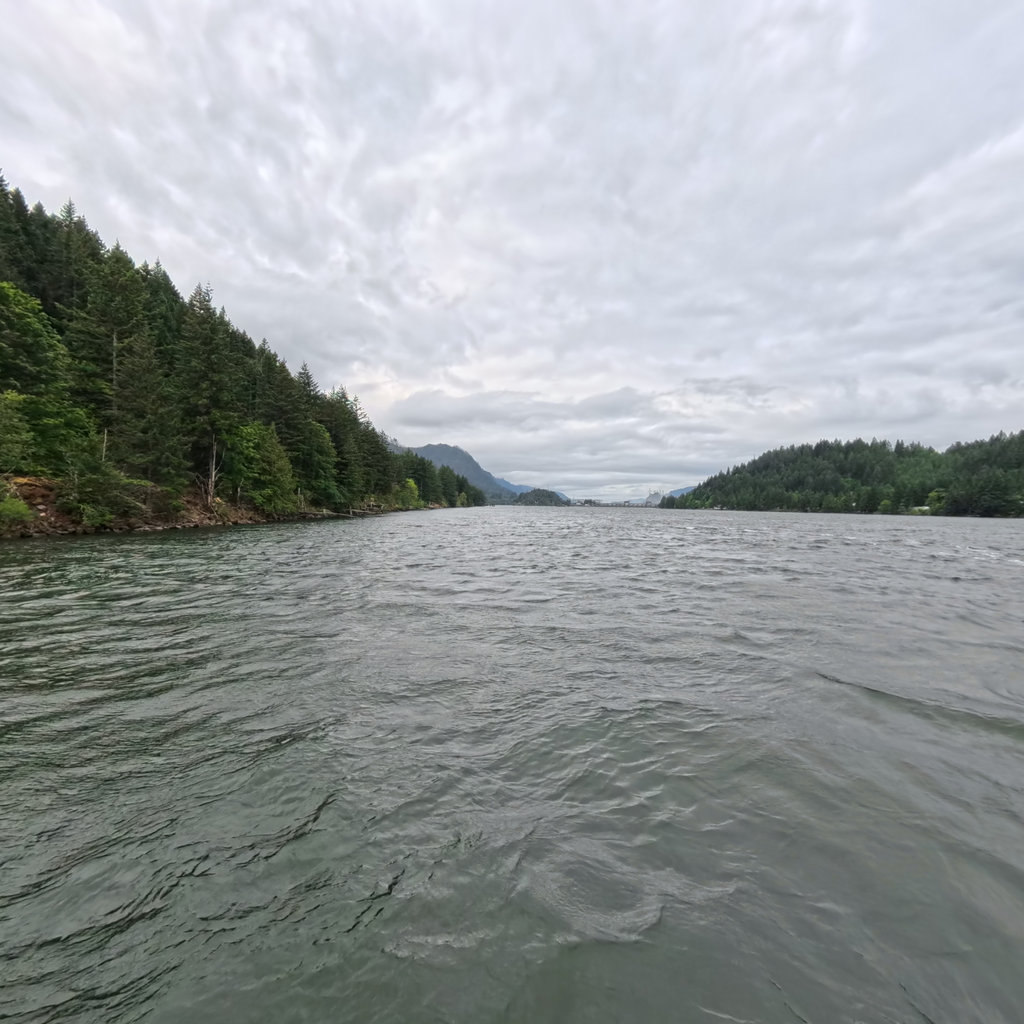
Portaging Cascades of the Columbia upstream
AI Summary

Cloudy weather prevented Lewis from taking lunar observations. Joseph Fields and Drewyer set out on assignment, while Sergeant Ordway's party helped retrieve elk meat dried by Sergeant Pryor; because it was poorly dried, it was ordered recut and redried, along with deerskin containers, in preparation for departure the next morning. Sergeant Gass returned with Collins and Windsor, having failed to kill a female bear but bringing three cubs, which natives traded wappetoe to obtain. Lewis noted local wildlife, plants, and the season's first ticks and mosquitoes.

Saturday April 5th 1806. This morning was so cloudy that I could not
obtain any lunar observations with a Aquila as I wished. Joseph Fields and
Drewyer departed this morning agreeably to their orders of last evening.
at 9 A.M. we Sent Sergt. Ordway and a party to assist Sergt. Pryor in
bringing in the meat of four Elk which he had dryed. at 1 P. M the party
returned with the meat. it had been so illy dryed that we feared it would
not keep. we therefore directed it to be cut thinner and redryed over a
fire this evening, as we purpose setting out early in the morning. the
deerskins which we have had cased for the purpose of containing our dryed
meat are not themselves sufficiently dryed for that purpose, we directed
them to be dryed by the fire also. the weather has been so damp that there
was no possibility of pounding the meat as I wished.we were visited
today by several parties of the natives as usual; they behaved themselves
in a very orderly manner. Observed Magnetic Azimuth and altitude of the
sun with Circumferenter and Sextant.

Saw the Log cock, the hummingbird, gees ducks &c today. the tick has
made it’s appearance it is the same with those of the Atlantic States. the
Musquetoes have also appeared but are not yet troublesome.this
morning at 10 OClock Sergt. Gass returned with Collins and Windsor they
had not succeeded in killing the female bear tho they brought the three
cubs with them. the Indians who visited us today fancyed these petts and
gave us wappetoe in exchange for them. Drewyer informed me that he never
knew a female bear return to her young when they had been allarmed by a
person and once compelled to leave them. The dogwood grows abundantly on
the uplands in this neighbourhood. it differs from that of the United
States in the appearance of it’s bark which is much smoother, it also
arrives here to much greater size than I ever observed it elsewhere
sometimes the stem is nearly 2 feet in diameter. we measured a fallen tree
of fir No 1 which was 318 feet including the stump which was about 6 feet
high. this tree was only about 31/2 feet in diameter. we saw the martin,
small gees, the small speckled woodpecker with a white back, the Blue
crested Corvus, ravens, crows, eagles Vultures and hawks. the mellow bug
and long leged spider have appeared, as have also the butterfly blowing
fly and many other insects. I observe not any among them which appear to
differ from those of our country or which deserve particular notice.

Read this entry in modern English AI-translated

Saturday, April 5th, 1806. This morning was so cloudy that I could not obtain any lunar observations with Aquila as I wished. Joseph Fields and Drewyer (Drouillard) departed this morning according to their orders from last evening. At 9 A.M. we sent Sergeant Ordway and a party to assist Sergeant Pryor in bringing in the meat of four elk which he had dried. At 1 P.M. the party returned with the meat. It had been so poorly dried that we feared it would not keep. We therefore directed it to be cut thinner and redried over a fire this evening, as we plan to set out early in the morning. The deerskins which we have had cased for the purpose of containing our dried meat are not themselves sufficiently dried for that purpose, so we directed them to be dried by the fire as well. The weather has been so damp that there was no possibility of pounding the meat as I wished. We were visited today by several parties of the natives as usual; they behaved themselves in a very orderly manner. Observed magnetic azimuth and altitude of the sun with circumferenter and sextant.

Saw the log cock (pileated woodpecker), the hummingbird, geese, ducks, etc. today. The tick has made its appearance; it is the same as those of the Atlantic states. The mosquitoes have also appeared but are not yet troublesome. This morning at 10 o'clock Sergeant Gass returned with Collins and Windsor; they had not succeeded in killing the female bear, though they brought the three cubs with them. The Indians who visited us today took a fancy to these pets and gave us wapato in exchange for them. Drewyer (Drouillard) informed me that he had never known a female bear to return to her young after they had been alarmed by a person and once compelled to leave them. The dogwood grows abundantly on the uplands in this neighborhood. It differs from that of the United States in the appearance of its bark, which is much smoother; it also reaches a much greater size here than I ever observed it elsewhere—sometimes the stem is nearly 2 feet in diameter. We measured a fallen tree of fir No. 1 which was 318 feet long, including the stump, which was about 6 feet high. This tree was only about 3 1/2 feet in diameter. We saw the martin, small geese, the small speckled woodpecker with a white back, the blue crested corvus (Steller's jay), ravens, crows, eagles, vultures, and hawks. The mellow bug and long-legged spider have appeared, as have also the butterfly, blowing fly, and many other insects. I observe none among them that appear to differ from those of our country or that deserve particular notice.

This modernization is AI-generated for accessibility. The original above is the authoritative version.

Our Partners