
Lemhi Shoshone
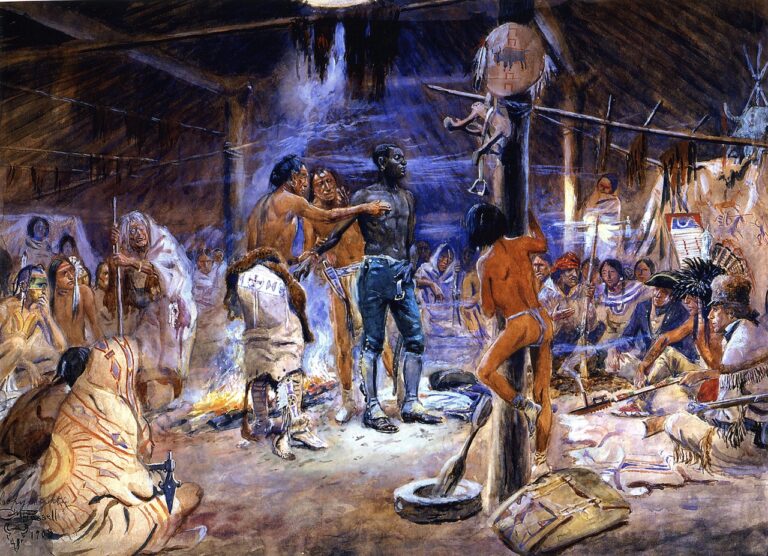
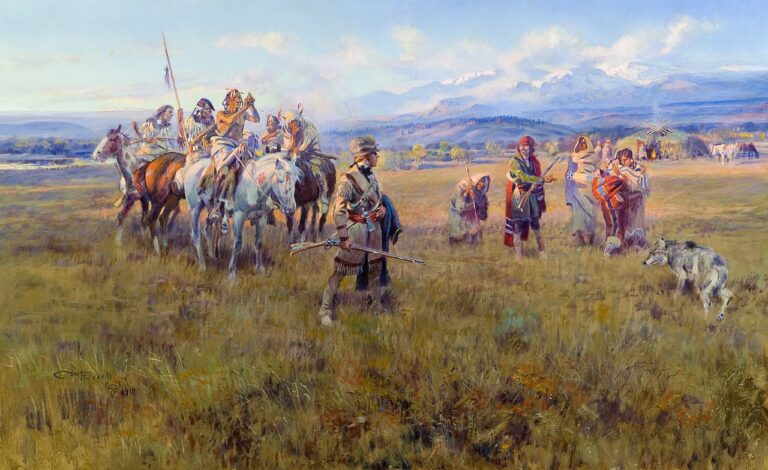
The Lemhi Shoshone (Agaidika, or "Salmon Eaters") inhabited the Lemhi River valley and surrounding mountains in present-day east-central Idaho, occupying a critical geographic position at the Continental Divide. Their encounter with the expedition in August 1805 was one of the most consequential of the entire journey: Chief Cameahwait, who turned out to be Sacagawea's brother, agreed to provide horses and guides essential for the expedition's crossing of the Bitterroot Mountains. Lewis and Clark found the Lemhi Shoshone lacking guns and metal goods but rich in geographic knowledge and horsemanship, and desperately eager to obtain firearms to defend themselves against Blackfeet and Hidatsa raiding parties. The reunion between Sacagawea and her people remains one of the most dramatic episodes in the expedition's narrative.
Portrait: Wikimedia Commons / Wikipedia: Lemhi Shoshone (Chief Tindoor, NARA)
Most Mentioned in Lemhi Shoshone-tagged Entries
People
- Sacagawea (4)
- Lewis (4)
- Jefferson (2)
- Cameahwait (2)
- Cap* Lewis (2)
- Charbonneau (1)
- Mr. Chaubonee (1)
- Madison (1)
- Gallatin (1)
- Capt. Clark (1)
Places
- Missouri River (5)
- Lemhi River (3)
- Columbia River (3)
- Lemhi Pass (2)
- Horse Prairie Creek (2)
- Mandan villages (1)
- Rocky Mountains (1)
- Three Forks of the Missouri (1)
- Knife river (1)
- Jefferson (1)
Wildlife
- deer (3)
- antelope (1)
- Mountain Rams (1)
- Salmon (1)
- weasels (1)
- otter (1)
- large kind of fish (1)
- fresh water Salmon (1)
- buffalow (1)
- Elk (1)
Biography
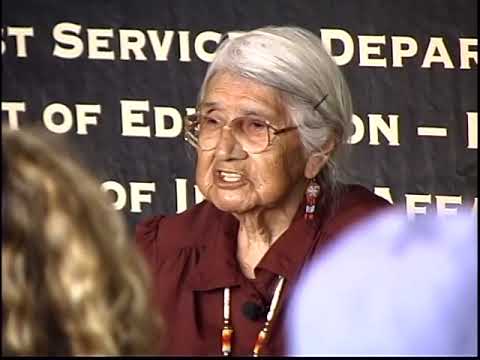
The Lemhi Shoshone were the specific band of Northern Shoshone, led by Chief Cameahwait, who encountered the expedition at the Continental Divide in August 1805. They were Sacagawea’s birth people — the band from which she had been captured as a child.
The Lemhi Shoshone lived in the Salmon River country of present-day central Idaho, a resource-rich but geographically isolated region. They possessed many horses but few guns, making them vulnerable to raids by the better-armed Blackfeet and Hidatsa.
The band’s decision to trade horses to the expedition — influenced heavily by Sacagawea’s reunion with her brother Cameahwait — was one of the most consequential moments of the journey. Without Shoshone horses, the expedition could not have crossed the Rocky Mountains.
The Lemhi Shoshone were later removed from their ancestral lands and placed on the Fort Hall Reservation in southeastern Idaho in 1907 — a removal they have contested ever since.
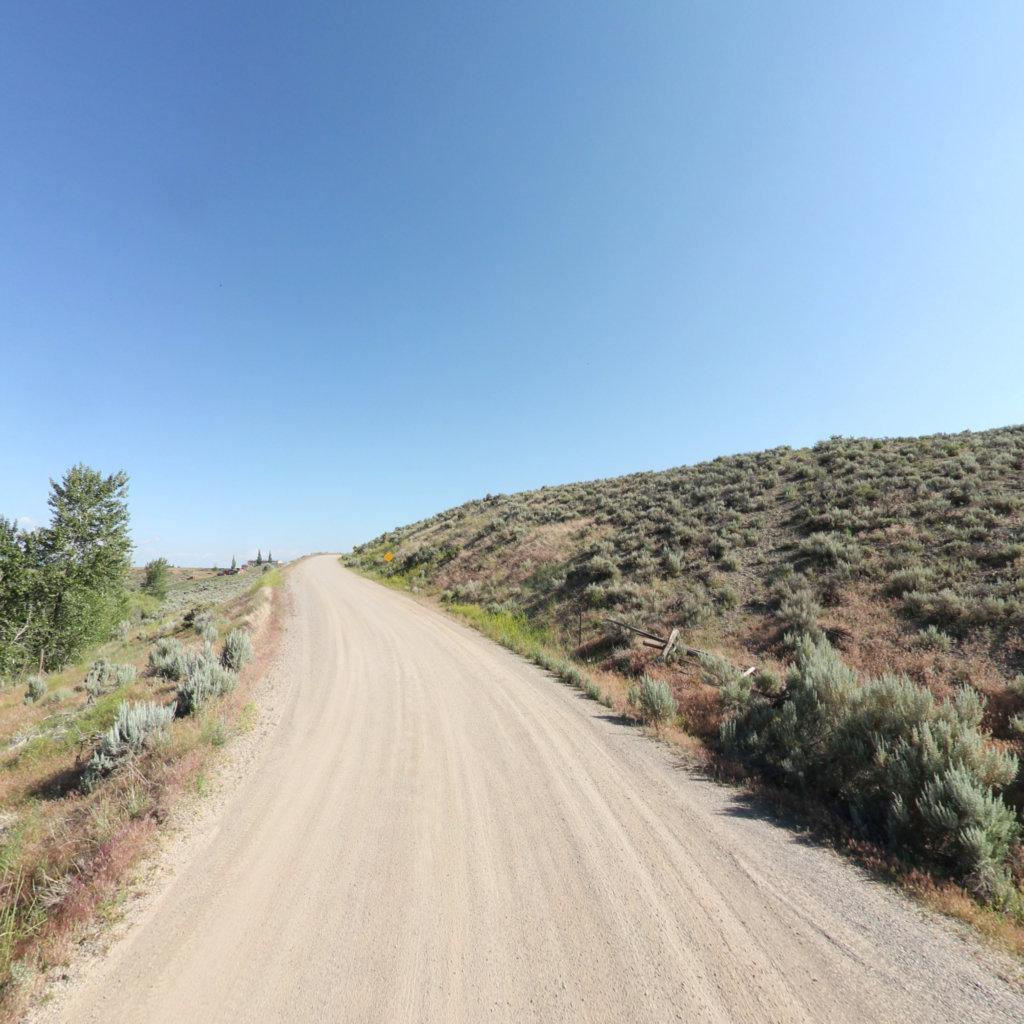
Territory & Encounter Locations
Note: the longest gap between tagged appearances is about 9 months (Nov 4, 1804 → Jul 28, 1805). No journal entries during that window were explicitly tagged with this nation.
Art (5)
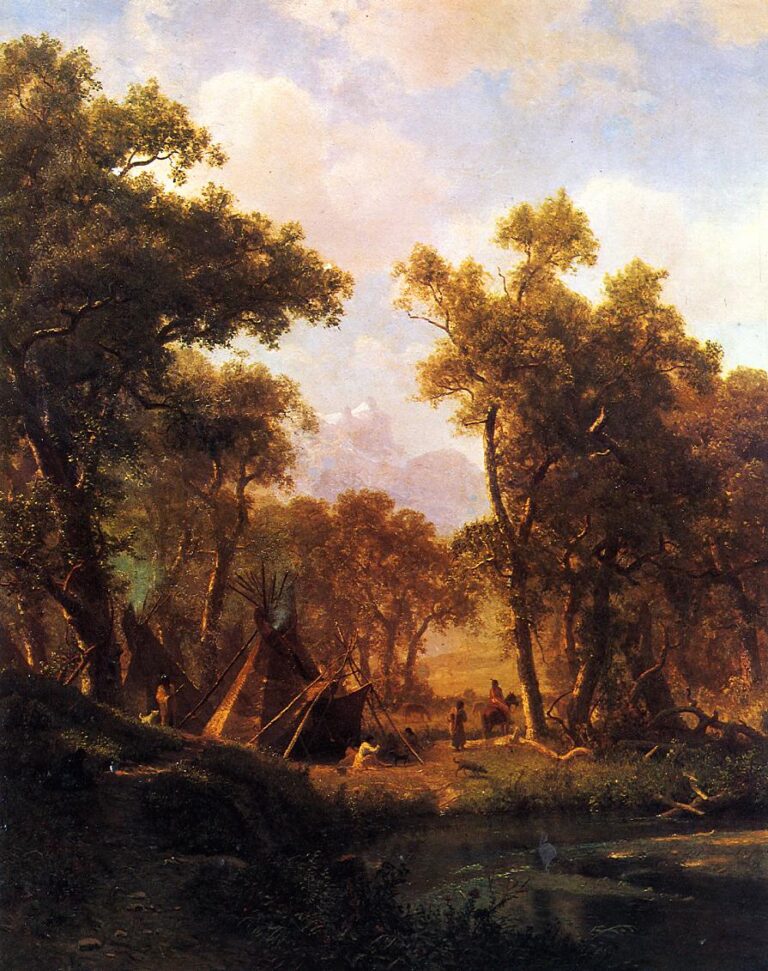
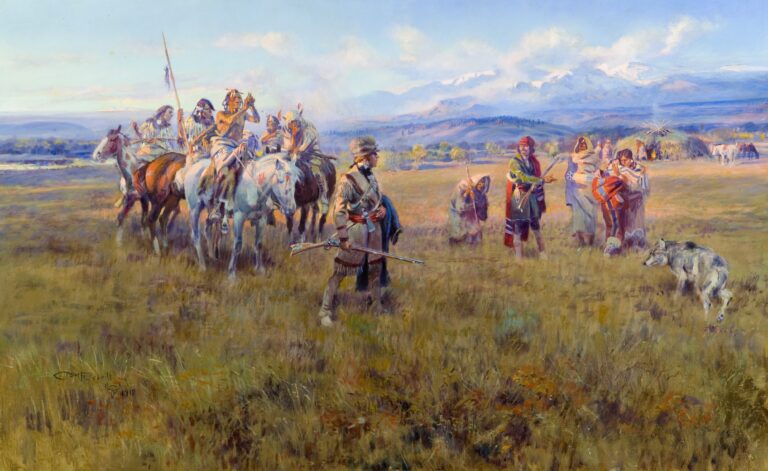
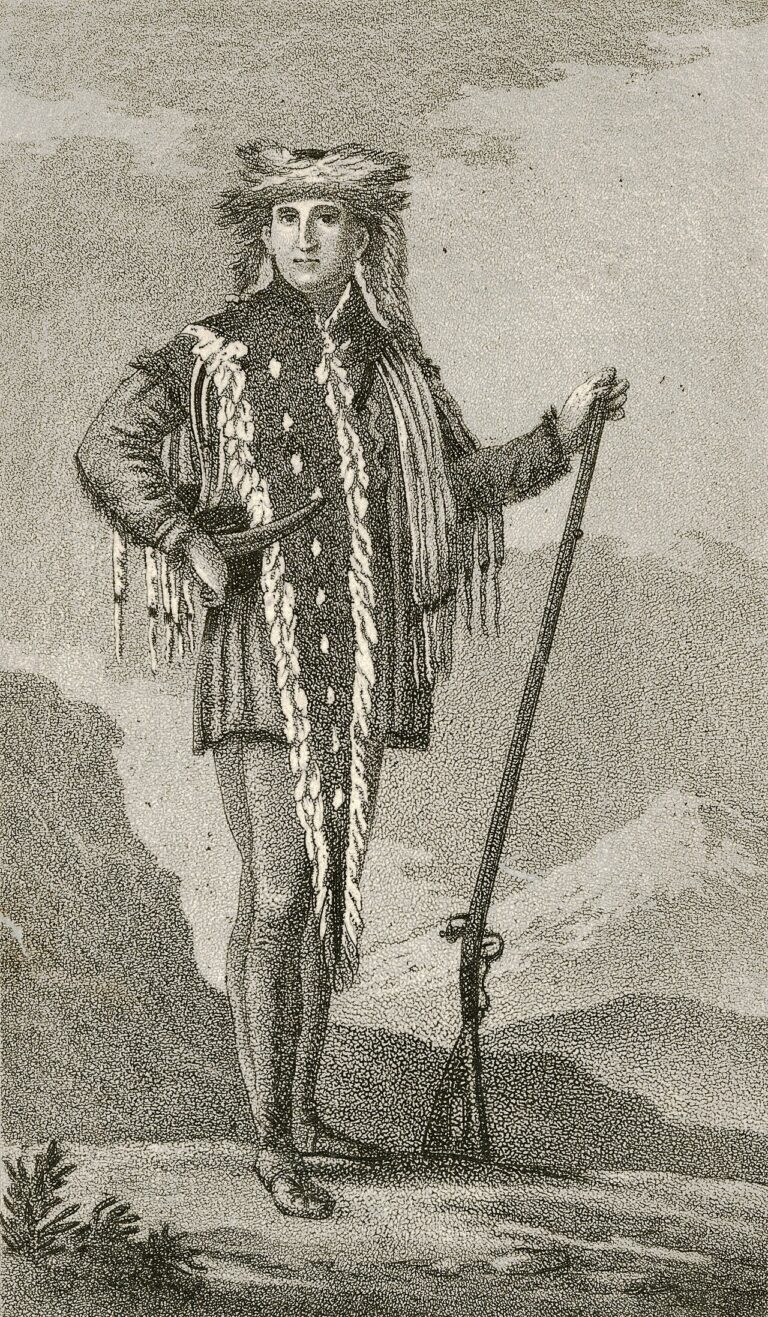

Tent of Many Voices (7)
 46:37
46:37
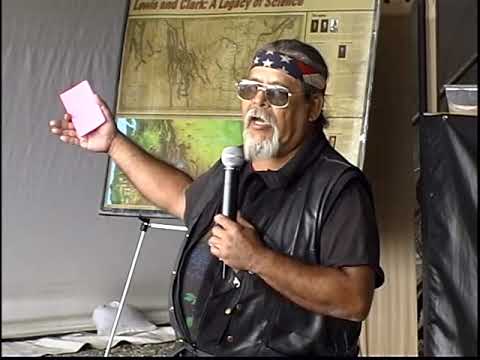 38:39
38:39
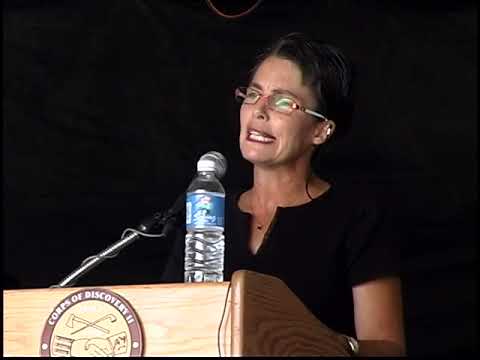 27:56
27:56
 46:09
46:09
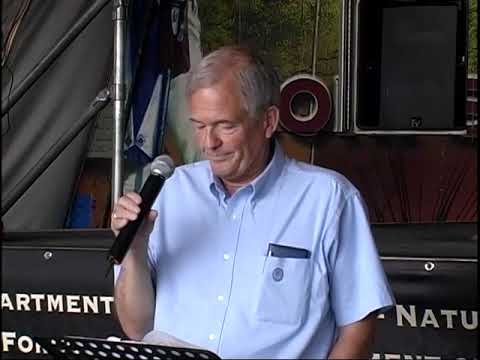 42:25
42:25
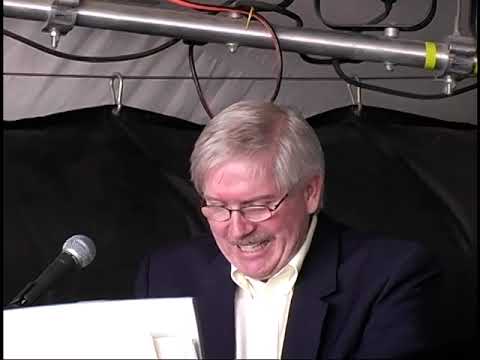 47:56
47:56
 49:52
49:52
Journal Entries (8)



Cross-Narrator Analyses
Analyses that cite or discuss Lemhi Shoshone — showing 7 of the most recent matches.
The Lemhi Shoshone: Horse Lords of the Continental Divide
A Nation Glimpsed Long Before They Were MetThe Lemhi Shoshone — the band of Northern Shoshone inhabiting the headwaters of the Missouri…
Departure from the Shoshone: Four Accounts of a Pivotal Crossing
The entries of August 30, 1805, capture the Corps of Discovery at a hinge point: having bartered for a horse herd in…
How Two Sergeants Recorded the Same Vote — November 24, 1805
The vote at Station Camp on November 24, 1805 is among the most cited moments in the journals — usually quoted from…
Cameahwait: The Lemhi Shoshone Chief Who Traded Horses
First Contact in the MountainsCameahwait — chief of a band of Lemhi Shoshone encountered west of the Continental Divide in August 1805…
Jean Baptiste Charbonneau: The Infant Traveler of the Corps of Discovery
Birth at Fort MandanJean Baptiste Charbonneau entered the expedition record on February 11, 1805, when his mother Sacagawea gave birth at Fort…
The Flathead Salish: Allies in the Bitterroot
First Encounter at Ross's HoleThe Flathead Salish — called "Tushepaws," "Flatheads," or "Ootlashshoots" in the journals — first entered the expedition's record…
Toussaint Charbonneau: The Interpreter Who Brought Sacagawea
IntroductionToussaint Charbonneau appears in the journals of Lewis and Clark less as a celebrated figure than as a constant, often troublesome, presence.…
From the Heacock Memorial Archive
3 lewis-clark.org articles that mention Lemhi Shoshone, preserved here for Robert Heacock’s photography. The articles were written by that site’s contributing authors.
Your Nation, your story
Are you a representative or member of this Nation? Help us tell this story accurately: review how your Nation is represented, correct the record, or contribute materials and perspective.


