
Walla Walla
The Walla Walla (Wallulapum) were a Sahaptian-speaking people who inhabited the confluence region of the Snake, Columbia, and Walla Walla Rivers in present-day southeastern Washington. Their chief, Yelleppit, was one of the most favorably described Native leaders in the expedition's journals; he welcomed the Corps warmly on both the outbound and return journeys and provided canoes, food, horses, and crucial route information. On the return journey in April 1806, Yelleppit hosted the expedition for several days, facilitating trade and entertainment including a dance attended by several hundred people from multiple nations. The Walla Walla were central figures in the Plateau trade network and their strategic location at the junction of major river systems made them important diplomatic intermediaries.
Portrait: Walla Walla chief Homli (front row) with Cayuse, Umatilla, and Palouse leaders, Washington, D.C., c. 1890. Northwest Museum of Arts and Culture (public domain) / Wikimedia Commons
Most Mentioned in Walla Walla-tagged Entries
People
- Capt Lewis (3)
- Yelleppit (2)
- Clark (2)
- Charbonneau (1)
- Yel-lept (1)
- Drouillard (1)
- Reubin Field (1)
- Bratton (1)
- the Child (1)
- the Indian Cheif (1)
Places
- Columbia River (4)
- Missouri River (3)
- Snake River (3)
- Walla Walla River (2)
- Clearwater River (1)
- Wallah wallah river (1)
- Mt. Hood (1)
- Mt. Jefferson (1)
- Ta wan nahiooks river (1)
- river Lapage (1)
Wildlife
- deer (3)
- beaver (3)
- otter (2)
- mullet (2)
- salmon trout (1)
- Antelopes (1)
- prarie buffaloe (1)
- horned Lizzard (1)
- common black lizard (1)
- toad (1)
Biography
The Walla Walla people of the Columbia Plateau, led by Chief Yelleppit, provided one of the warmest receptions the expedition received. Their territory along the Walla Walla River in present-day Washington was a crossroads of plateau trade routes.
On the return journey in April 1806, the expedition stayed three days with the Walla Walla. Yelleppit organized a gathering of over 500 people, with dancing, trading, and cultural exchange. The chief gifted Clark a white horse, and the expedition provided in return a peace medal, a handkerchief, and other trade goods.
The Walla Walla later became part of the Confederated Tribes of the Umatilla Indian Reservation, established by the Treaty of 1855. Their positive relationship with the expedition stands as an example of what cross-cultural encounters could look like when both sides approached with goodwill.
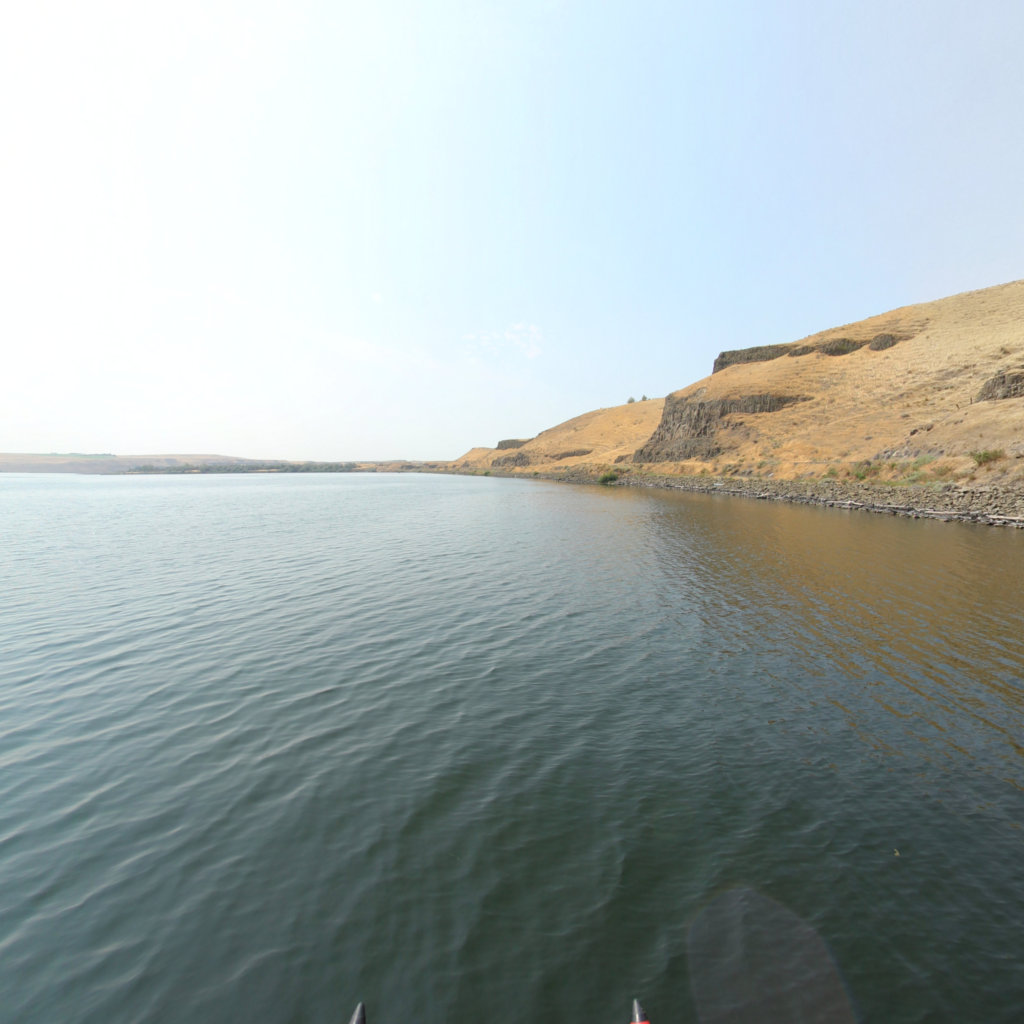
Territory & Encounter Locations
Journal Entries (8)


Cross-Narrator Analyses
Analyses that cite or discuss Walla Walla — showing 15 of the most recent matches.
The Walla Walla Nation and Chief Yelleppit: Hosts of the Homeward Crossing
IntroductionThe Walla Walla (rendered variously in the journals as "Wallah wollah," "Wallah wallah," and "Wallahwallahs") were a Sahaptian-speaking people whose villages lay…
A Kettle Refused, a Sword Accepted: Four Voices at Yelleppit’s Camp
The 28th of April 1806 found the returning Corps of Discovery encamped near the mouth of the Walla Walla River, in extended…
A Returned Trap, a Recovered Horse: Four Accounts of Walla Walla Honesty
The entries for May 2, 1806, capture the Corps of Discovery on the move east from the Columbia, accompanied by three young…
Choosing the Guide’s Road: Four Voices on the Touchet
The journal entries for May 1, 1806 capture the Corps of Discovery moving up the Touchet River in present-day Walla Walla County,…
Crossing to the Walla Walla: Four Pens, One Fish-Weir
The entries for April 29, 1806 capture a single logistical event — ferrying the Corps and its baggage across the Columbia at…
Securing Guides at Weippe: Four Voices on a Pivotal Decision
The expedition's June 23, 1806 entries capture a single contingency plan from four vantage points: the two captains drafting nearly identical command-level…
Seven Hundred Souls at the Pishquitpah Village: Four Witnesses to a Single Day
The expedition's overland return along the north bank of the Columbia brought the party on April 25, 1806 to a substantial village…
The Stolen Robe and the Distant Peaks: Four Accounts of a Walla Walla Day
The events of April 22, 1806, as the Corps moved overland along the Columbia toward the Walla Walla country, are recorded by…
Twenty-Three Horses and a Departure: Four Voices Leave the Walla Walla
The expedition's departure from the Walla Walla village on April 30, 1806, produced four parallel journal entries that, read together, illustrate the…
When the Captains Wrote Together — April 26, 1806
One of the simpler discoveries that emerges from a full cross-narrator read of the expedition journals is that Lewis and Clark wrote…
Yelleppit’s Council and a Violin on the Columbia
The entries for October 19, 1805 capture the expedition's encampment near the mouth of the Walla Walla River, where the captains held…
Yelleppit’s Welcome: Four Voices on a Walla Walla Reunion
The entries for April 27, 1806 offer an unusually clean case study in how the expedition's record was constructed. Four narrators—Lewis, Clark,…
Patrick Gass: The Carpenter’s Ledger
VoicePatrick Gass writes like a man balancing a ledger at the end of a long day. His entries are short, declarative, and…
Pierre Cruzatte: Fiddler, Waterman, and the Man Who Shot Meriwether Lewis
Enlistment and Standing in the CorpsPierre Cruzatte (variously spelled Crusat, Crusatte, Cruzat in the journals) entered the expedition's record on May 26,…
The Yakama Nation in the Lewis & Clark Journals: A Brief Encounter at the Great Confluence
IntroductionThe Yakama (also rendered historically as Yakima) are one of the great Sahaptin-speaking nations of the Columbia Plateau, whose homelands stretch across…
From the Heacock Memorial Archive
3 lewis-clark.org articles that mention Walla Walla, preserved here for Robert Heacock’s photography. The articles were written by that site’s contributing authors.
Your Nation, your story
Are you a representative or member of this Nation? Help us tell this story accurately: review how your Nation is represented, correct the record, or contribute materials and perspective.


