
Assiniboine
The Assiniboine (Nakoda) were a Siouan-speaking people who had separated from the Yanktonai Sioux centuries earlier and occupied a vast territory across the northern Great Plains, ranging from present-day Montana into Saskatchewan and Manitoba. Lewis and Clark did not encounter the Assiniboine directly during the main journey, but learned of them extensively during the winter of 1804–1805 at Fort Mandan, where the Mandan and Hidatsa described them as important trading partners and occasional adversaries. The Assiniboine were prominent participants in the extensive northern Plains trade network, exchanging European goods obtained from British posts on the Assiniboine River for corn and horses from the village tribes.
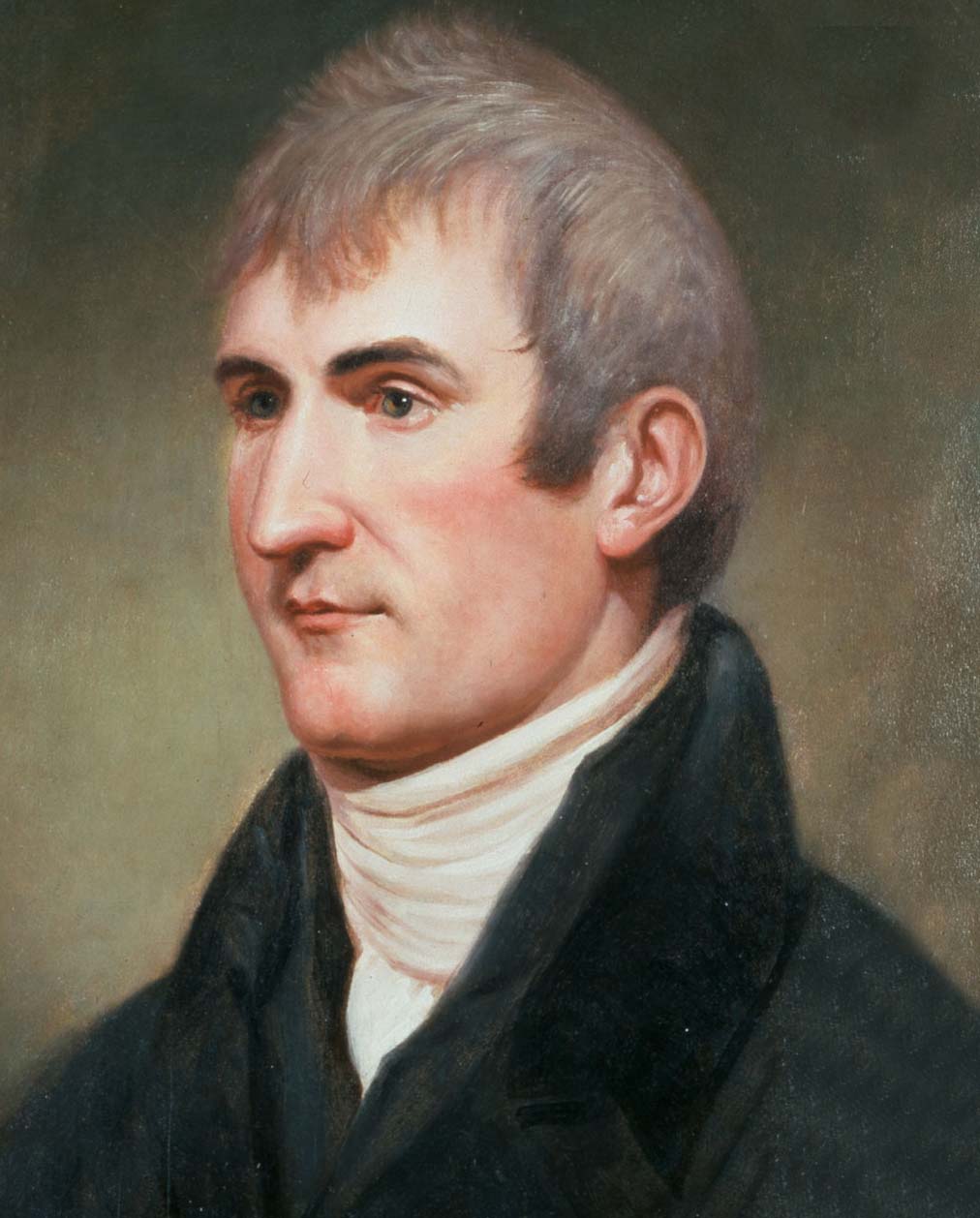
Portrait: Wikimedia Commons / Wikipedia: Assiniboine
Related Locations
Note: the longest gap between tagged appearances is about 19 months (Dec 7, 1804 → Jul 2, 1806). Assiniboine may have been present in the corps during that span but is not named in the journals.
Treaties (9)
Tent of Many Voices (2)


Cross-Narrator Analyses
Analyses that cite or discuss Assiniboine — showing 24 of the most recent matches.
A Stray Dog, a Violent Wind, and the Shadow of the Assiniboine
The journals of May 10, 1805 capture the Corps of Discovery wind-bound on the Missouri somewhere in present-day Montana, having advanced only…
A Fort in Motion: Industry, Diplomacy, and a Rival Company’s Gift
The journal entries for March 7, 1805, offer a revealing pair of perspectives on Fort Mandan during the final weeks before the…
A Warm Day at Fort Mandan: Reconciliation, Medicine, and the Architecture of an American Post
The journal entries for December 21, 1804, illustrate how a single day at Fort Mandan refracts through the differing concerns and literary…
Eight Equal Packs and a Distant Massacre: Provisioning Fort Mandan
The journal entries of March 18, 1805, capture Fort Mandan in the final weeks before the Corps of Discovery resumed its westward…
Forge Smoke and Company News: Two Views from Fort Mandan
The entries for 2 March 1805 from Fort Mandan offer a striking contrast in narratorial focus. John Ordway, the orderly sergeant, attends…
Four Pens at Fort Mandan: Traders, Hunters, and a Mystery Animal
The journal entries for January 18, 1805 offer a useful case study in how four men inside the same palisade could record…
Four Pens at Travelers’ Rest: Dividing the Corps for the Homeward Reconnaissance
The first of July 1806 found the Corps of Discovery encamped at Travelers' Rest on the western flank of the Bitterroots, preparing…
Frostbite, Drifting Snow, and a Stranded Guide: Three Voices at Fort Mandan
The journal entries for December 28, 1804, written from the winter quarters at Fort Mandan in present-day North Dakota, illustrate one of…
Frozen Faces and Fresh Elk: Four Voices at Fort Mandan
The journal entries for January 12, 1805, offer a compact case study in how the Corps of Discovery's narrators distributed observational labor…
Ice, Coal Wood, and Assiniboine Visitors: Three Views from Fort Mandan
The entries for January 25, 1805, offer a compact case study in how three members of the Corps of Discovery filtered the…
North West Company Visitors and the Blacksmiths’ Forge at Fort Mandan
The journal entries for 13 March 1805, recorded near the end of the expedition's winter at Fort Mandan, offer an instructive contrast…
Salt Streams and Antelope Pens: Four Views Above Fort Mandan
The expedition's progress on April 15, 1805, roughly twenty-two to twenty-three miles upriver from the previous night's camp, generated four journal entries…
Smoke on the Plains: Two Views from Fort Mandan
The entries for March 6, 1805 from Fort Mandan offer a useful study in narrator divergence. William Clark and John Ordway both…
Three Accounts of a Visit from the North West Company
The arrival of North West Company traders at Fort Mandan on December 16, 1804 occasioned three quite different journal entries. The visit…
Three Camps, One Day: Divergent Trails on the Marias and Yellowstone
By late July 1806 the Corps of Discovery was scattered across hundreds of miles of plains and mountain country. The journal entries…
Three Horses Down the Ice: Provisioning and Departures at Fort Mandan
The 19th of January 1805 produced four short entries from Fort Mandan, each circling the same logistical event — the dispatch of…
Three Posts, Three Realities: A Winter Day at Fort Mandan
The journals dated December 5, 1804 offer an instructive case in the heterogeneity of expedition record-keeping. Three narrators — William Clark, John…
Three Views from Fort Mandan: Dancing, Diplomacy, and Stolen Horses
The journal entries for December 26, 1804 offer a revealing snapshot of how three members of the Corps of Discovery filtered the…
Two Pens at Fort Mandan: Trade Diplomacy and a Stolen-Horse Skirmish
The entries for March 4, 1805 at Fort Mandan offer a compact case study in how rank, responsibility, and audience shaped what…
Two Registers at Fort Mandan: Ordway’s Brevity and Clark’s Ethnographic Reach
The journal entries for March 10, 1805, capture a single event at Fort Mandan — a visit from neighboring chiefs during the…
George Catlin in the Lewis & Clark Journal Record
A Note on SourcesGeorge Catlin (1796–1872) is not mentioned in any entry of the Lewis and Clark journals. The dataset underlying this…
Karl Bodmer: A Note on Absence from the Lewis & Clark Journals
OverviewThis biographical synthesis is unusual because it must begin with a clarification: Karl Bodmer (1809–1893), the Swiss-born painter whose watercolors and aquatints…
The Chippewa (Ojibwe) in the Lewis & Clark Record: Named, Not Encountered
Named, not encounteredNo Chippewa (Ojibwe) town sits on the expedition's track. The journals still use the name, always at second hand or…
The Hidatsa: Knife River Villagers and the Expedition’s Northern Crossroads
A Confederation of Villages at the Knife RiverWhen the Corps of Discovery arrived at the mouth of the Knife River in late…
Researcher or educator?
Get help using the archive in your work, suggest sources we should include, or talk with us about collaboration and classroom use.


