
Blackfeet
The Blackfeet Confederacy (Niitsitapi), comprising the Piegan (Piikani), Blood (Kainai), and Siksika bands, dominated the northwestern Great Plains from the Saskatchewan River south into present-day Montana, controlling a territory rich in bison. The expedition's only violent encounter with any Native nation occurred on July 26–27, 1806, when Meriwether Lewis and a small party met a group of Piegan Blackfeet along the Two Medicine River; a confrontation over stolen horses and guns resulted in the deaths of two Blackfeet warriors, the only Native fatalities of the entire expedition. Lewis and Clark had learned of the Blackfeet's formidable military reputation during the winter at Fort Mandan, where the Hidatsa described them as aggressive enemies who blocked western tribes from accessing guns and trade goods. This incident inaugurated decades of Blackfeet hostility toward American traders and trappers entering their territory.
Portrait: Edward S. Curtis, Piegan Encampment, 1900 (public domain) / Wikimedia Commons
Most Mentioned in Blackfeet-tagged Entries
People
- Capt Lewis (8)
- Drouillard (5)
- Patrick Gass (5)
- Reubin Field (5)
- Joseph Field (4)
- Capt. Clark (4)
- Charbonneau (3)
- Labeech (2)
- Shields (2)
- Thompson (2)
Places
- Missouri River (8)
- Marias River (5)
- Rocky Mountains (3)
- Columbia River (2)
- Rochejhone (2)
- Oregon coast (1)
- Fort Clatsop (1)
- rattlesnake creek (1)
- Starbd Side (1)
- Lard. Side (1)
Biography
The Blackfeet (Niitsitapi) were the dominant military power of the Northern Plains, controlling a vast territory from the Saskatchewan River south to the Missouri headwaters. The expedition’s only violent encounter with Native peoples occurred with a Piegan Blackfeet band on the Two Medicine River in July 1806.
Lewis and a small party encountered eight Piegan warriors and camped together. During the night or early morning, the warriors attempted to steal the expedition’s horses and rifles. In the ensuing fight, two Blackfeet were killed — one stabbed by Reubin Field, one shot by Lewis.
This violent encounter had lasting consequences. The Blackfeet remained hostile to American trappers and traders for decades, and the incident colored U.S.-Blackfeet relations well into the 19th century. Historians debate whether Lewis could have handled the situation differently.
The Blackfeet Confederacy consisted of three allied nations: the Siksika (Blackfoot proper), the Kainai (Blood), and the Piikani (Piegan). Today the Blackfeet Nation is headquartered in Browning, Montana.
Territory & Encounter Locations
Note: the longest gap between tagged appearances is about 10 months (May 30, 1805 → Mar 23, 1806). No journal entries during that window were explicitly tagged with this nation.
Treaties (7)
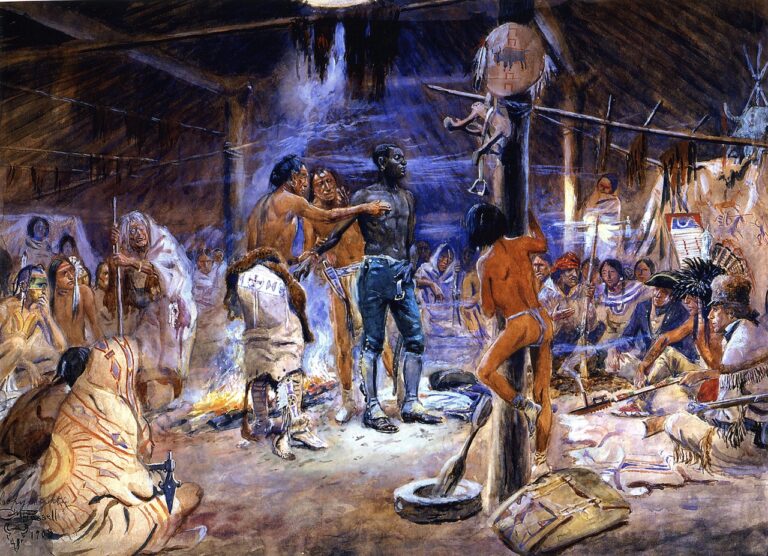
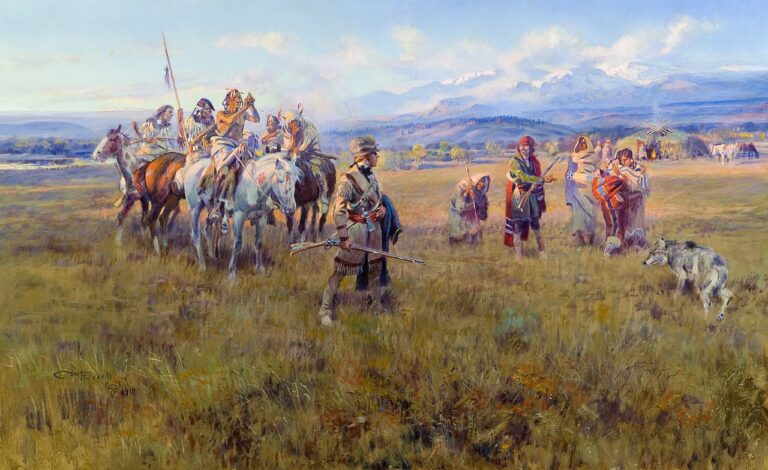
Art (2)


Tent of Many Voices (8)
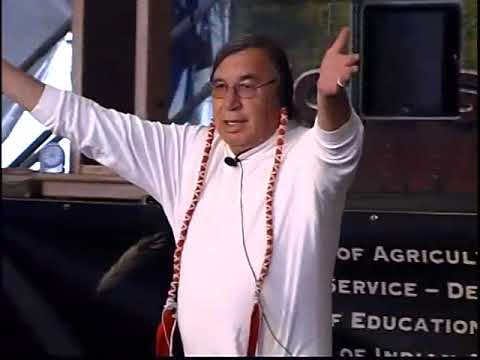 47:34
47:34
 46:28
46:28
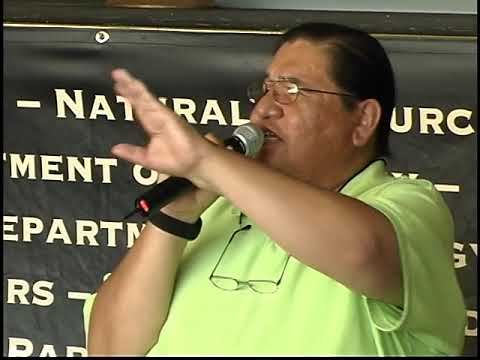 42:30
42:30
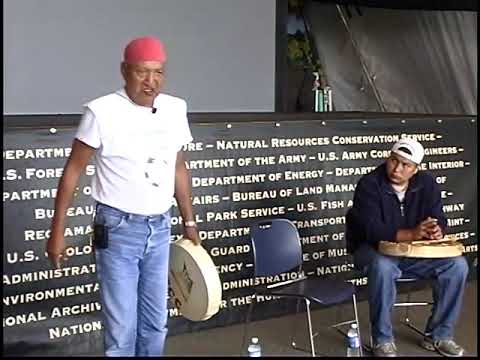 48:51
48:51
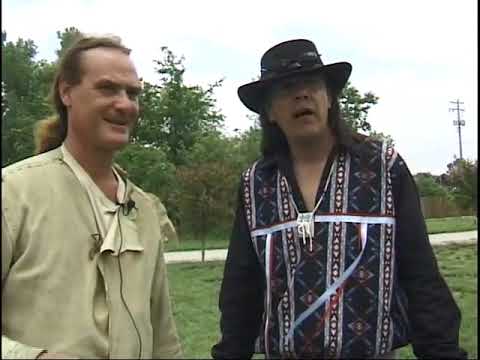 51:03
51:03
 57:51
57:51
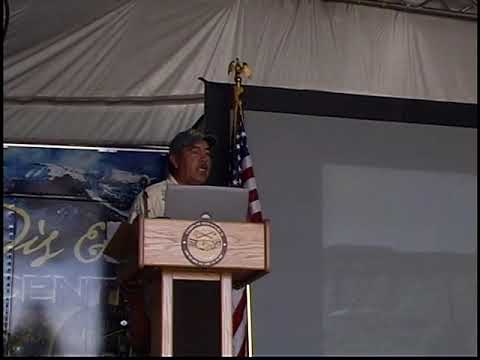 37:33
37:33
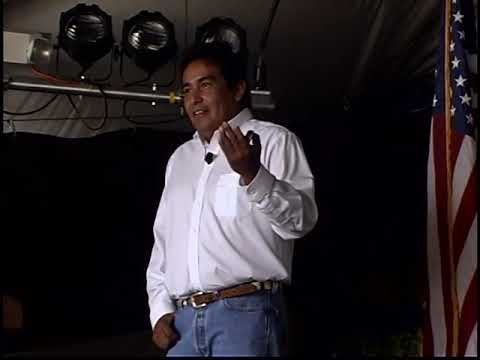 46:24
46:24
Journal Entries (17)



Cross-Narrator Analyses
Analyses that cite or discuss Blackfeet — showing 11 of the most recent matches.
The Blackfeet: Adversaries on the Marias
A Nation Glimpsed at the Edge of the PlainsOf all the Native nations encountered by the Corps of Discovery, the Blackfeet —…
Four Pens, Four Rivers: The Expedition Divides on the Plains
By July 19, 1806, the Corps of Discovery had splintered into multiple detachments executing Captain Lewis's ambitious return strategy. The journals from…
Four Routes from Camp Disappointment: Divergent Journeys on a Single Day
The journal entries for 26 July 1806 illustrate a feature of the return: its geographic dispersion. With the Corps divided into multiple…
Reunion at the Marias: Four Versions of a Single Afternoon
The journal entries for 28 July 1806 capture a day of the return journey, yet the four surviving narrators experienced it from…
Two Captains, Two Continents: The Divided Corps on Divergent Trails
By July 6, 1806, Captains Lewis and Clark had divided the Corps of Discovery to explore separate return routes. Lewis pressed eastward…
Two Rivers, Two Captains: Divided Command on the Plains
By mid-July 1806 the Corps of Discovery had fractured into separate detachments, and the journals of July 17 capture four men writing…
Charles Marion Russell: The Cowboy Artist and the Lewis & Clark Imagination
A Figure Outside the Journal RecordCharles Marion Russell is tagged in this project as a key figure associated with the Lewis and…
George Catlin in the Lewis & Clark Journal Record
A Note on SourcesGeorge Catlin (1796–1872) is not mentioned in any entry of the Lewis and Clark journals. The dataset underlying this…
Karl Bodmer: A Note on Absence from the Lewis & Clark Journals
OverviewThis biographical synthesis is unusual because it must begin with a clarification: Karl Bodmer (1809–1893), the Swiss-born painter whose watercolors and aquatints…
Pierre Cruzatte: Fiddler, Waterman, and the Man Who Shot Meriwether Lewis
Enlistment and Standing in the CorpsPierre Cruzatte (variously spelled Crusat, Crusatte, Cruzat in the journals) entered the expedition's record on May 26,…
Sergeant Ordway’s Ledger: The Steady Voice of the Expedition’s Most Faithful Diarist
Voice: The Sergeant's Plain HandJohn Ordway writes like a sergeant: punctual, inclusive, and almost aggressively unliterary. Where Lewis reaches for sublimity and…
Your Nation, your story
Are you a representative or member of this Nation? Help us tell this story accurately: review how your Nation is represented, correct the record, or contribute materials and perspective.


