
Yankton Sioux
The Yankton Sioux (Ihanktonwan) were a middle division of the Sioux nation who inhabited the James and Vermillion River regions of present-day southeastern South Dakota and northeastern Nebraska. Lewis and Clark met the Yankton near the mouth of the James River in late August 1804, and the council that ensued was one of the most successful diplomatic encounters of the expedition; chiefs Weuche, White Crane, and Half Man received the American delegation cordially, and the meetings featured speeches, gift exchanges, and ceremonial smoking. The Yankton were semi-nomadic bison hunters who occupied a strategic middle position between the sedentary Missouri River village tribes and the more westerly Teton Sioux. Their relative openness to American diplomatic overtures contrasted sharply with the tense confrontation the expedition would face with the Teton Sioux just weeks later.
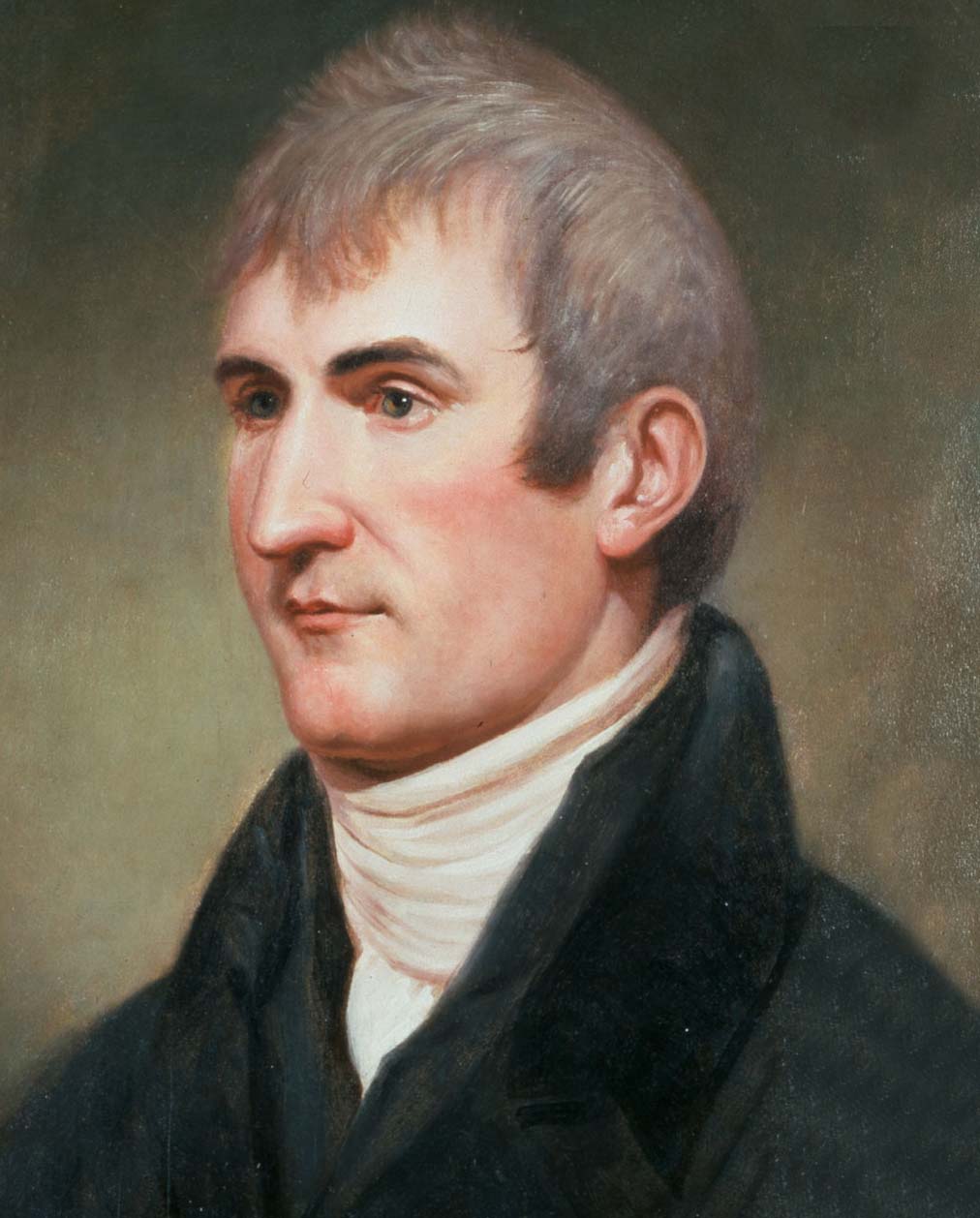
Portrait: Wikimedia Commons / Wikipedia: Yankton Sioux (Struck by the Ree)
Most Mentioned in Yankton Sioux-tagged Entries
People
- Capt Lewis (5)
- Shannon (3)
- Mr. Durion (2)
- Clark (2)
- York (1)
- Mahar interpeter (1)
- J. Newman (1)
- John Ordaway (1)
- Patrick Gass (1)
- Jo. Shields (1)
Places
- Illinois (3)
- Nebraska (2)
- Calumet Bluffs (2)
- River Jacque (2)
- St Louis (2)
- St. Louis (2)
- Missouri River (2)
- Calumet Bluff (1)
- Gavins Point (1)
- bad hd Isd. (1)
Biography
The Yankton Sioux (Ihanktonwan Dakota) met the expedition at Calumet Bluff in late August 1804. This was one of the expedition’s most successful diplomatic encounters, with elaborate ceremony, pipe smoking, and genuine goodwill.
The Yankton were generally receptive to the expedition’s message of American sovereignty and trade. The council included traditional calumet ceremonies, speeches, and gift exchange. Pierre Dorion Sr., who had lived among the Yankton for decades, served as interpreter.
The positive encounter with the Yankton stood in contrast to the tense confrontation with the Teton Sioux just weeks later, illustrating the diverse responses of different Siouan peoples to the expedition.
Territory & Encounter Locations
Note: the longest gap between tagged appearances is about 18 months (Feb 28, 1805 → Aug 30, 1806). No journal entries during that window were explicitly tagged with this nation.
Treaties (10)
Journal Entries (16)


Cross-Narrator Analyses
Analyses that cite or discuss Yankton Sioux — showing 9 of the most recent matches.
The Yankton Sioux: Calumet Bluff and the Long Shadow of Diplomacy
IntroductionThe Yankton Sioux (Nakota), one of the seven council fires of the Sioux nation, occupy a distinctive place in the Lewis &…
A Damaged Pirogue, an Indisposed Captain, and a Quiet Order Below the Calumet Bluffs
The entries of August 28, 1804, written as the Corps of Discovery camped below the Calumet Bluffs awaiting the return of Sergeant…
An Old Frenchman on the Down-River Current
The June 12, 1804 entries center on a single chance meeting: somewhere below the Grand River, the upbound expedition intercepted a small…
The Prairie Dog Village and a Discrepancy in the Journals
The journal entries for September 7, 1804 present a striking case of narrative divergence among the expedition's enlisted chroniclers. Patrick Gass and…
Three Registers at Calumet Bluff: Ethnography, Ceremony, and Weather
The 31st of August 1804 found the Corps of Discovery concluding its council with the Yankton Sioux at Calumet Bluff, near the…
John Colter: The Hunter Who Walked Away From Home
Enlistment and First Mess AssignmentJohn Colter first appears in the official record on May 26, 1804, when Meriwether Lewis issued detachment orders…
Sergeant Nathaniel Pryor: A Steady Hand of the Corps of Discovery
IntroductionSergeant Nathaniel Pryor stands among the three non-commissioned officers chosen at the outset of the Corps of Discovery to lead a squad.…
The Crow (Apsáalooke) in the Lewis & Clark Journals: A Distant but Decisive Presence
A Nation Met Only at the EdgesThe Apsáalooke — rendered in the journals as "Crow," "Crow de Curbo," "de Carbours," and (for…
The Sioux Nation in the Lewis & Clark Journals: Traders in June, Tetons in September
Not absent — mis-taggedA generic "Sioux Tribe/Nation" tag on this site once held no journal_entry posts, so an earlier essay reported that…
From the Heacock Memorial Archive
1 lewis-clark.org articles that mention Yankton Sioux, preserved here for Robert Heacock’s photography. The articles were written by that site’s contributing authors.
Your Nation, your story
Are you a representative or member of this Nation? Help us tell this story accurately: review how your Nation is represented, correct the record, or contribute materials and perspective.


