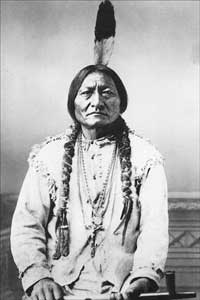
Teton Sioux (Lakota)
The Teton Sioux (Lakota) were the westernmost and most powerful division of the great Sioux (Oceti Sakowin) nation, dominating the central Great Plains from the Missouri River westward to the Black Hills and beyond in present-day South Dakota. The confrontation between the expedition and the Teton Sioux near the mouth of the Bad River in late September 1804 was the most dangerous diplomatic crisis of the entire journey; chiefs Black Buffalo, the Partisan, and Buffalo Medicine tested the expedition's resolve in a tense standoff that nearly erupted into armed conflict. The Lakota controlled Missouri River commerce through a system of tolls and trade dominance that Lewis and Clark were determined to break as part of American strategic interests, creating a fundamental conflict of purpose. The Teton Sioux were at the height of their power in 1804—superb equestrian bison hunters, formidable warriors, and skilled diplomats.
Portrait: Wikimedia Commons / Wikipedia: Lakota people (Sitting Bull)
Most Mentioned in Teton Sioux (Lakota)-tagged Entries
People
- Capt Lewis (10)
- Capt. Clark (7)
- Shannon (6)
- Mr. Durion (3)
- Collins (3)
- Black Buffalo (2)
- Reubin Field (2)
- Black Buffalow (2)
- Colter (2)
- Coues (2)
Places
- Missouri River (7)
- Illinois (3)
- Teton River (3)
- Bad River (2)
- Ceder Island (2)
- No timber Creek (2)
- Lyman County (2)
- Goat Island (1)
- Elk Island (1)
- Reubens Cr. (1)
Wildlife
- Elk (8)
- Buffalow (7)
- deer (6)
- beaver (4)
- antelopes (3)
- Musquetors (2)
- mad Dogs (2)
- black tail or Mule deer (2)
- Buffaloe (2)
- Black & white birds of the corvus Species (1)
Biography
The Teton Sioux (Lakota) were the most powerful military force on the central Great Plains, controlling the middle Missouri River and exacting tribute from river traders. The expedition’s confrontation with the Brulé Lakota at the mouth of the Bad River in September 1804 was the most dangerous moment of the entire journey.
The Lakota saw the American expedition as a challenge to their trade monopoly on the Missouri. The three-day standoff — featuring warrior posturing, weapons drawn on both sides, and tense diplomacy — nearly erupted into violence that could have ended the expedition.
Clark’s characterization of the Teton Sioux as “the vilest miscreants of the savage race” reflected the captains’ frustration and fear during this encounter, though it ignored the legitimate economic and political interests driving Lakota behavior.
The Lakota would become the most formidable opponents of American westward expansion over the next 80 years, from Red Cloud’s War through the Battle of the Little Bighorn to the tragedy at Wounded Knee.
Territory & Encounter Locations
Note: the longest gap between tagged appearances is about 18 months (Feb 28, 1805 → Aug 12, 1806). No journal entries during that window were explicitly tagged with this nation.
Treaties (1)
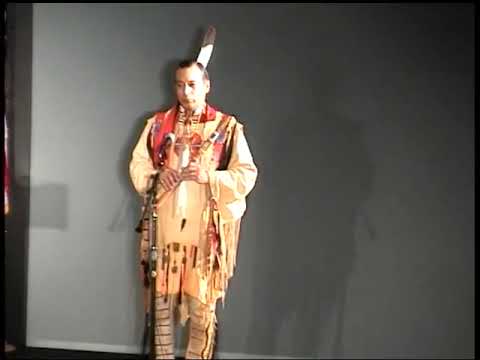
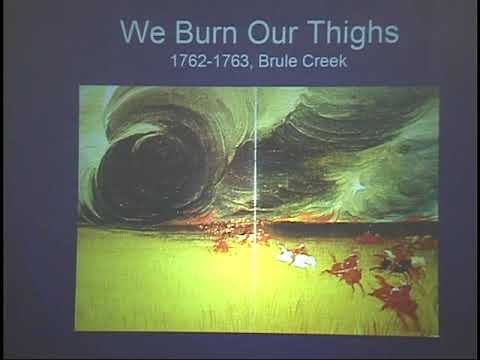
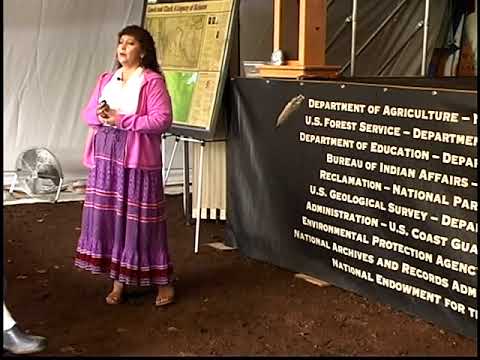
Tent of Many Voices (3)
Journal Entries (26)



Cross-Narrator Analyses
Analyses that cite or discuss Teton Sioux (Lakota) — showing 1 of the most recent matches.
Your Nation, your story
Are you a representative or member of this Nation? Help us tell this story accurately: review how your Nation is represented, correct the record, or contribute materials and perspective.


