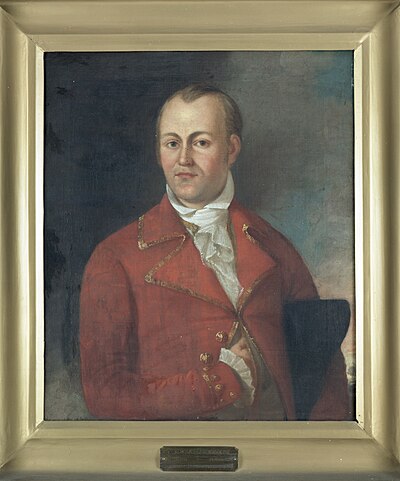
Auguste Chouteau
Jean Pierre Auguste Chouteau was a prominent fur trader and civic leader who co-founded the city of St. Louis in 1764 as a fourteen-year-old accompanying Pierre Laclède's trading expedition. He became one of the wealthiest and most influential figures in the Mississippi and Missouri river valleys, establishing extensive trade networks with the Osage and other nations. Chouteau served as a key intermediary and U.S. treaty commissioner during the early territorial period, leveraging his decades of relationships with Indigenous leaders. His fluency in multiple Native languages and deep understanding of tribal diplomacy made him indispensable to the American government's treaty-making efforts in the region.
Portrait: Portrait of Auguste Chouteau, c. 1815-1850. Missouri History Museum.
Related Locations
Treaties (24)


Cross-Narrator Analyses
Analyses that cite or discuss Auguste Chouteau — showing 5 of the most recent matches.
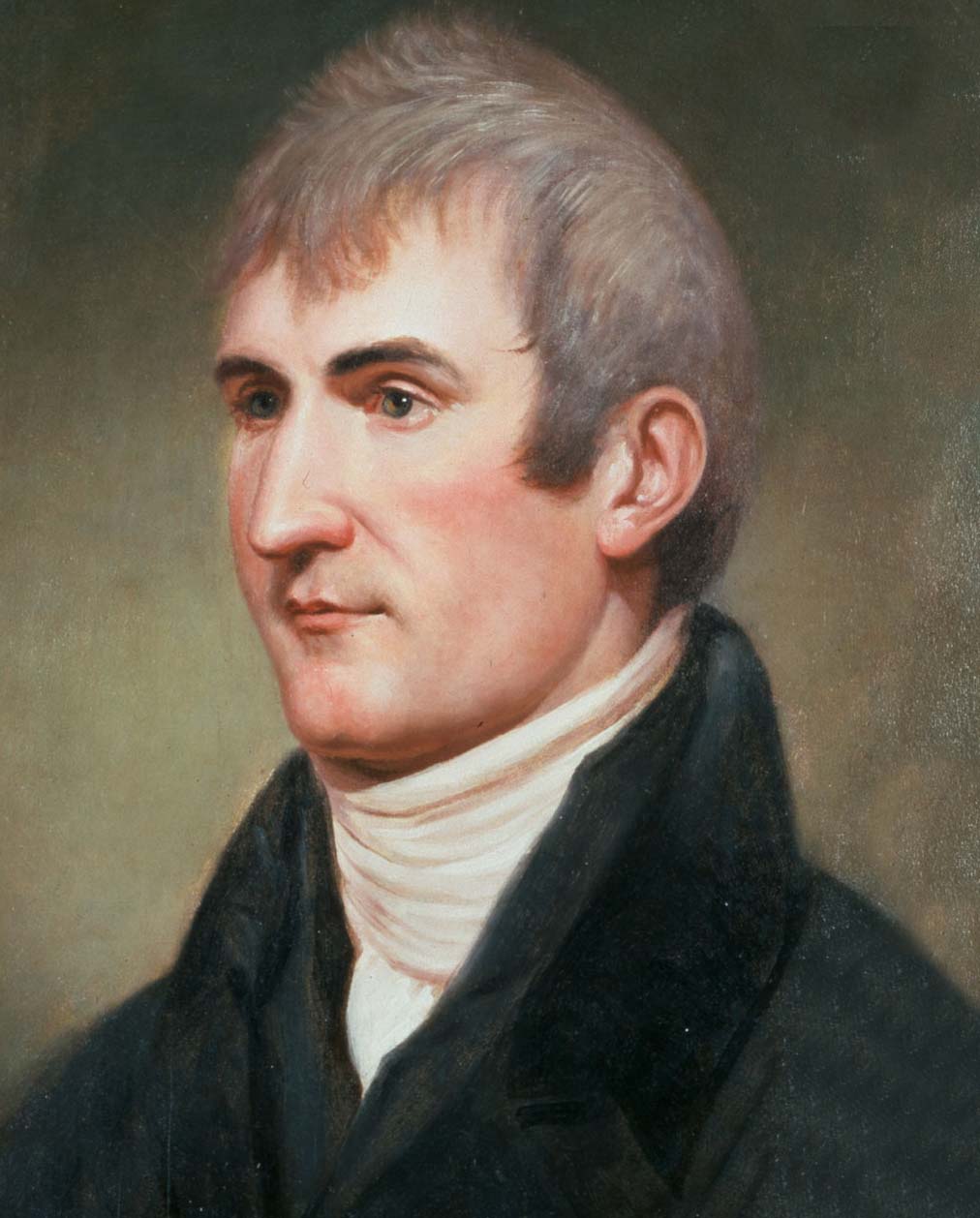
Auguste Chouteau: St. Louis Patron of the Corps of Discovery
IntroductionAuguste Chouteau (1749–1829), co-founder of St. Louis and patriarch of its dominant mercantile family, is woven throughout the Lewis and Clark journals…
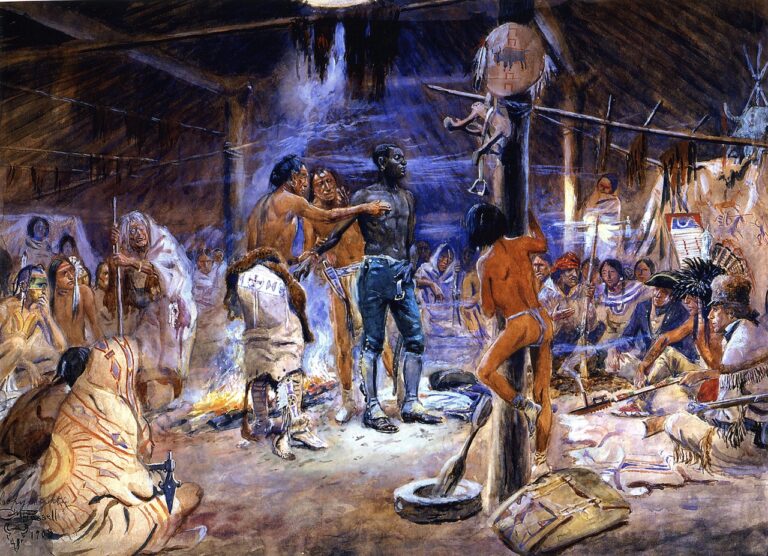
First Whiskey Since July 1805: An Encounter with Chouteau’s Trading Boat
The meeting between the homeward-bound Corps of Discovery and a Missouri River trading boat on 6 September 1806 produced a rare alignment…
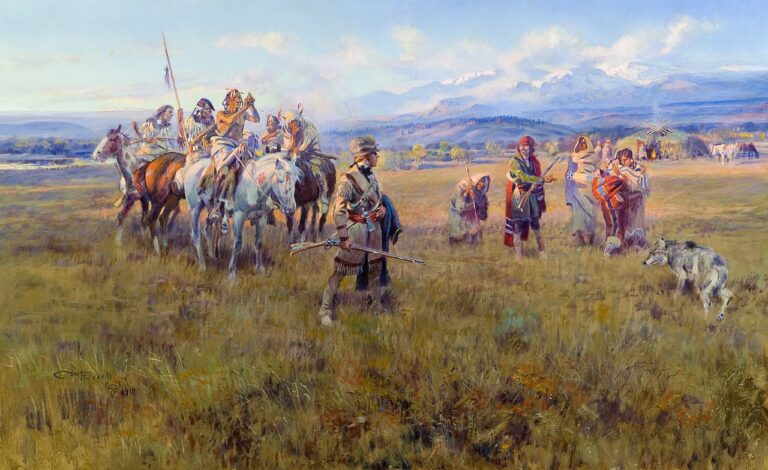
Lewis Joins the Party at Petit Côte
May 20, 1804 marks the day Meriwether Lewis caught up with William Clark and the assembled party at St. Charles, the small…
News from the States: The Encounter with McClellan’s Keel Boat
The meeting between the homeward-bound Corps of Discovery and Robert McClellan's trading expedition near St. Michael's Prairie produced three distinct accounts on…
Ninian Edwards in the Lewis & Clark Journals: A Figure at the Margins of the Record
A Note on SourcesThe corpus of journal entries supplied for this synthesis contains zero references to Ninian Edwards. No narrator — not…
Researcher or educator?
Get help using the archive in your work, suggest sources we should include, or talk with us about collaboration and classroom use.


