
Arikara
The Arikara (also called Ree) were a Caddoan-speaking, semi-sedentary agricultural people who lived in fortified earth-lodge villages along the Missouri River in present-day South Dakota. By the time Lewis and Clark arrived in October 1804, the Arikara had been devastated by successive smallpox epidemics that reduced their numbers from perhaps 30,000 to a few thousand, consolidating from as many as 30 villages down to three. The expedition spent several days among the Arikara, finding them hospitable traders who cultivated corn, beans, squash, and tobacco and maintained complex trade relationships with neighboring nomadic nations, particularly the Sioux. The Arikara chief Too Ne expressed willingness to pursue peace with the Mandan at the expedition's urging, though intertribal tensions persisted long after the Corps departed.
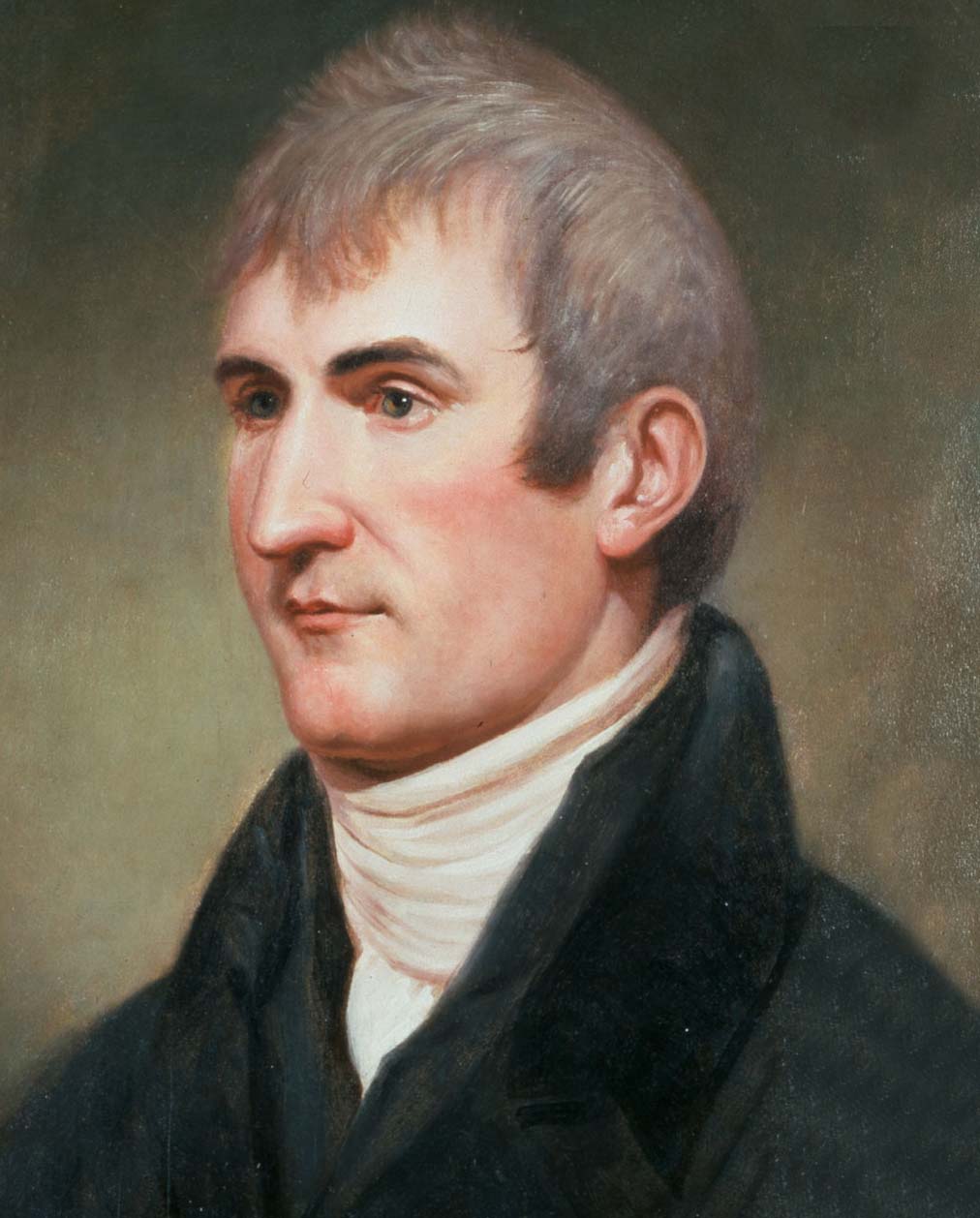
Portrait: Wikimedia Commons / Wikipedia: Arikara
Most Mentioned in Arikara-tagged Entries
People
- Capt Lewis (24)
- Clark (8)
- Big White (4)
- Patrick Gass (4)
- Shields (3)
- Black Cat (3)
- Little Crow (3)
- Grey Eyes (3)
- Captain Clarke (3)
- York (3)
Places
- Missouri River (19)
- Fort Mandan (6)
- St. Louis (4)
- Black mountains (3)
- Cannon Ball River (3)
- Illinois (3)
- St. Peters (2)
- St Louis (2)
- No timber Creek (2)
- old Ricara Village (2)
Biography
The Arikara (Sahnish) were a Caddoan-speaking agricultural people living in earth-lodge villages along the Missouri River in present-day South Dakota. When the expedition passed through in October 1804, the Arikara occupied three villages near the Grand River.
The Arikara had been severely weakened by smallpox epidemics in the late 18th century, reducing their population from perhaps 30,000 to approximately 2,000. Despite this devastation, they maintained their agricultural villages and trade networks.
Relations between the expedition and the Arikara were cautiously friendly — the captains held councils, distributed gifts, and attempted to broker peace between the Arikara and the Mandan. One Arikara chief agreed to travel to Washington, D.C. but died during the journey.
In 1823, Arikara warriors attacked William Ashley’s fur trading party, killing or wounding many men in one of the most significant armed conflicts between Americans and Plains Indians. This attack was partly motivated by the death of the chief who had gone to Washington and by perceived broken promises from the American government.
Territory & Encounter Locations
Note: the longest gap between tagged appearances is about 9 months (Jun 20, 1805 → Mar 11, 1806). No journal entries during that window were explicitly tagged with this nation.
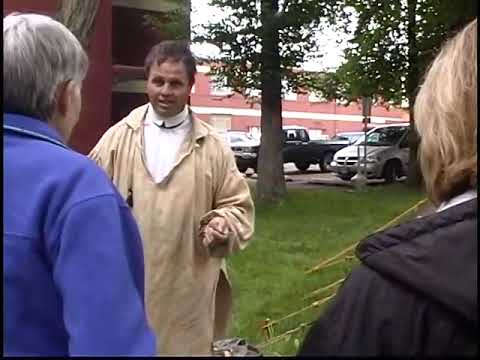
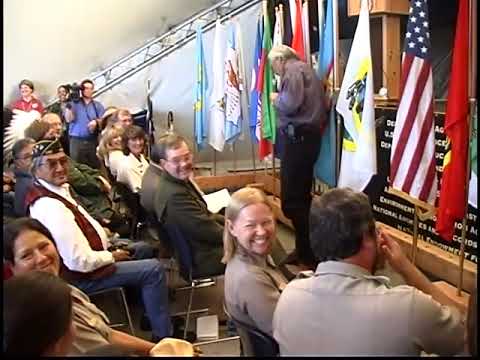
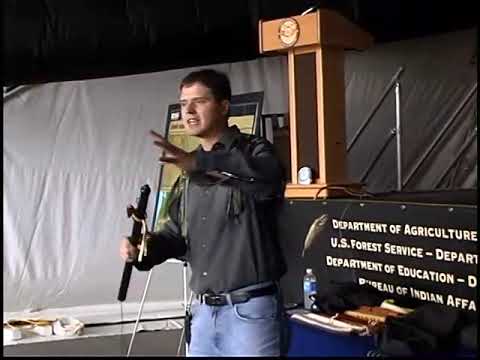
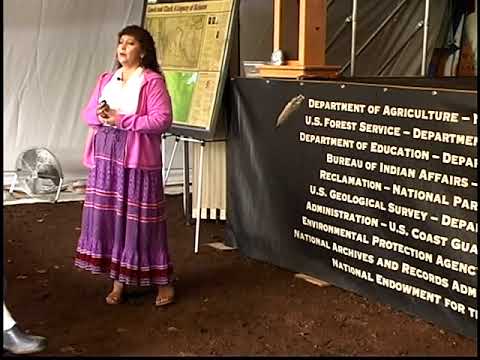
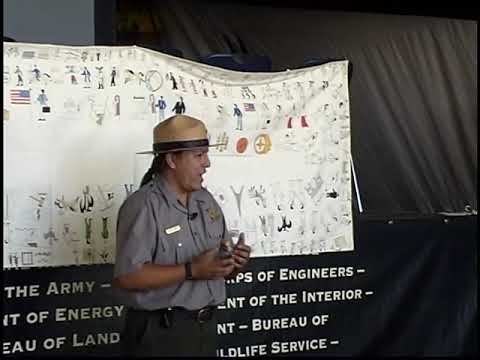
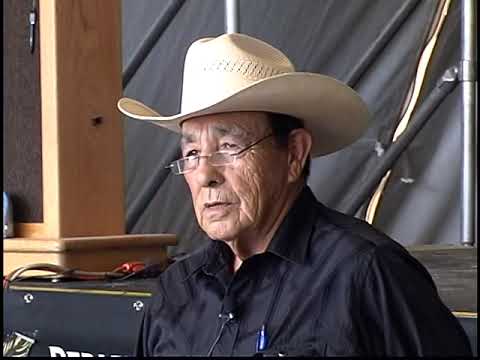
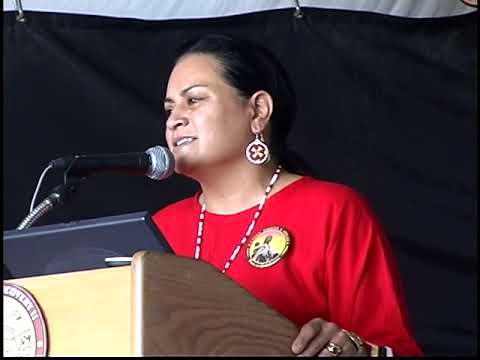
Tent of Many Voices (8)
 22:34
22:34
 26:22
26:22
 47:30
47:30
 45:43
45:43
 49:34
49:34
 44:08
44:08
 46:20
46:20
 29:40
29:40
Journal Entries (60)


Cross-Narrator Analyses
Analyses that cite or discuss Arikara — showing 24 of the most recent matches.
The Arikara Nation: Diplomatic Crossroads on the Upper Missouri
First Encounters and Abandoned VillagesThe Corps' first recorded brush with Arikara presence came not through people but through ruins. As they ascended…
Parting at the Arikara Village: Diplomacy, Departure, and Two Registers of the Same Day
August 22, 1806, finds the Corps of Discovery breaking camp at an Arikara village during their rapid downstream return. Two narrators describe…
Three Frenchmen, a Medal Refused, and the Cheyennes at the Arikara Villages
The expedition's August 21, 1806 arrival at the Arikara villages produced three overlapping accounts that, read together, illuminate how the Corps' narrators…
A Day’s Delay at Fort Mandan: Three Accounts of an Arikara Rumor
By April 6, 1805, the Corps of Discovery was poised to leave Fort Mandan after a long winter. Baggage was being loaded…
A River Remade: Clark’s Cartographer’s Eye and Ordway’s Spare Ledger
The entries of August 20, 1806, offer one of the more dramatic disparities in scale between any two expedition narrators on a…
Bare Men, Bullboats, and a Wolf in the Night
The eighth of August 1806 finds the expedition still divided. Meriwether Lewis is descending the Missouri in pursuit of William Clark, who…
Diet Across the Expedition: A Seasonal Analysis
What the journals actually feed the partyAn earlier version of this page said the diet essay could not be written because no…
News from the States: The Encounter with McClellan’s Keel Boat
The meeting between the homeward-bound Corps of Discovery and Robert McClellan's trading expedition near St. Michael's Prairie produced three distinct accounts on…
Past the Teton’s Shadow: Three Accounts of a Vigilant Descent
The entries of 26 August 1806 record a day defined less by event than by anticipation. Descending the Missouri at remarkable speed,…
The Unaccountable Artillery of the Rocky Mountains
The three journals kept on July 11, 1805 at the Great Falls portage offer a striking study in narrative range. Patrick Gass,…
Three Pens at the Cheyenne: Observation, Abbreviation, and Memory on the Missouri
The entries of 25 August 1806 capture a single uneventful day of rapid descent — the captains halting at the mouth of…
Two Fleets, Two Directions: Departure from Fort Mandan
The afternoon of April 7, 1805 marked one of the true hinge moments of the expedition: the permanent party pushed upriver into…
George Catlin in the Lewis & Clark Journal Record
A Note on SourcesGeorge Catlin (1796–1872) is not mentioned in any entry of the Lewis and Clark journals. The dataset underlying this…
Karl Bodmer: A Note on Absence from the Lewis & Clark Journals
OverviewThis biographical synthesis is unusual because it must begin with a clarification: Karl Bodmer (1809–1893), the Swiss-born painter whose watercolors and aquatints…
Patrick Gass: The Carpenter’s Ledger
VoicePatrick Gass writes like a man balancing a ledger at the end of a long day. His entries are short, declarative, and…
Sergeant Ordway’s Ledger: The Steady Voice of the Expedition’s Most Faithful Diarist
Voice: The Sergeant's Plain HandJohn Ordway writes like a sergeant: punctual, inclusive, and almost aggressively unliterary. Where Lewis reaches for sublimity and…
The Crow (Apsáalooke) in the Lewis & Clark Journals: A Distant but Decisive Presence
A Nation Met Only at the EdgesThe Apsáalooke — rendered in the journals as "Crow," "Crow de Curbo," "de Carbours," and (for…
The Hidatsa: Knife River Villagers and the Expedition’s Northern Crossroads
A Confederation of Villages at the Knife RiverWhen the Corps of Discovery arrived at the mouth of the Knife River in late…
The Omaha (Maha) Nation: A Diminished People in the Journals of Lewis & Clark
Introduction: A Nation in the Journals' ShadowThe Omaha — written variously as Mahar, Maha, Mahas, and Mahaha in the journals — occupy…
The Otoe-Missouria: First Council on the Plains
Who They WereBy the time Lewis and Clark ascended the Missouri in 1804, the Otoe and Missouria peoples were closely allied —…
The Pawnee Nation: A Distant Presence in the Expedition’s Record
IntroductionThe Pawnee Nation — one of the dominant Caddoan-speaking peoples of the central Plains in 1804 — appears only obliquely in the…
The Teton Sioux (Lakota): Gatekeepers of the Upper Missouri
Introduction: A Single Entry, A Defining ConfrontationThe journal record provided here is exceptionally limited — only one entry (September 25, 1804) explicitly…
The Yankton Sioux: Calumet Bluff and the Long Shadow of Diplomacy
IntroductionThe Yankton Sioux (Nakota), one of the seven council fires of the Sioux nation, occupy a distinctive place in the Lewis &…
Thomas Jefferson: The Distant Architect of the Voyage of Discovery
An Absent PresenceThomas Jefferson never set foot on the expedition trail, yet his shadow falls across the journals from St. Louis to…
From the Heacock Memorial Archive
3 lewis-clark.org articles that mention Arikara, preserved here for Robert Heacock’s photography. The articles were written by that site’s contributing authors.
Your Nation, your story
Are you a representative or member of this Nation? Help us tell this story accurately: review how your Nation is represented, correct the record, or contribute materials and perspective.


