
Omaha
The Omaha (Umonhon) were a Siouan-speaking people who inhabited the eastern Nebraska prairies along the Missouri River, with their principal village near present-day Homer, Nebraska. Lewis and Clark sought to meet the Omaha in August 1804 but found their village largely deserted, as the nation was away on a bison hunt; the captains learned that the Omaha had recently been devastated by a smallpox epidemic that killed perhaps 400 people, including their chief Blackbird, who by tradition was buried seated on his horse atop a bluff overlooking the Missouri. The Omaha were historically powerful traders who controlled commerce along the middle Missouri, but by 1804 they were weakened by disease and under pressure from the expanding Teton Sioux.
Portrait: Wikimedia Commons / Wikipedia: Omaha people
Most Mentioned in Omaha-tagged Entries
People
- Capt Lewis (8)
- Drouillard (5)
- Mr. Durion (4)
- York (3)
- Shannon (3)
- Clark (3)
- Reubin Field (3)
- Charles Floyd (3)
- Patrick Gass (3)
- Big Horse (2)
Places
- Missouri River (11)
- Maha village (3)
- Clarke's river (3)
- Sand Island (2)
- St. Louis (2)
- Stone River (2)
- River Jacque (2)
- St. Peters (2)
- Indian camp (2)
- Nebraska (2)
Biography
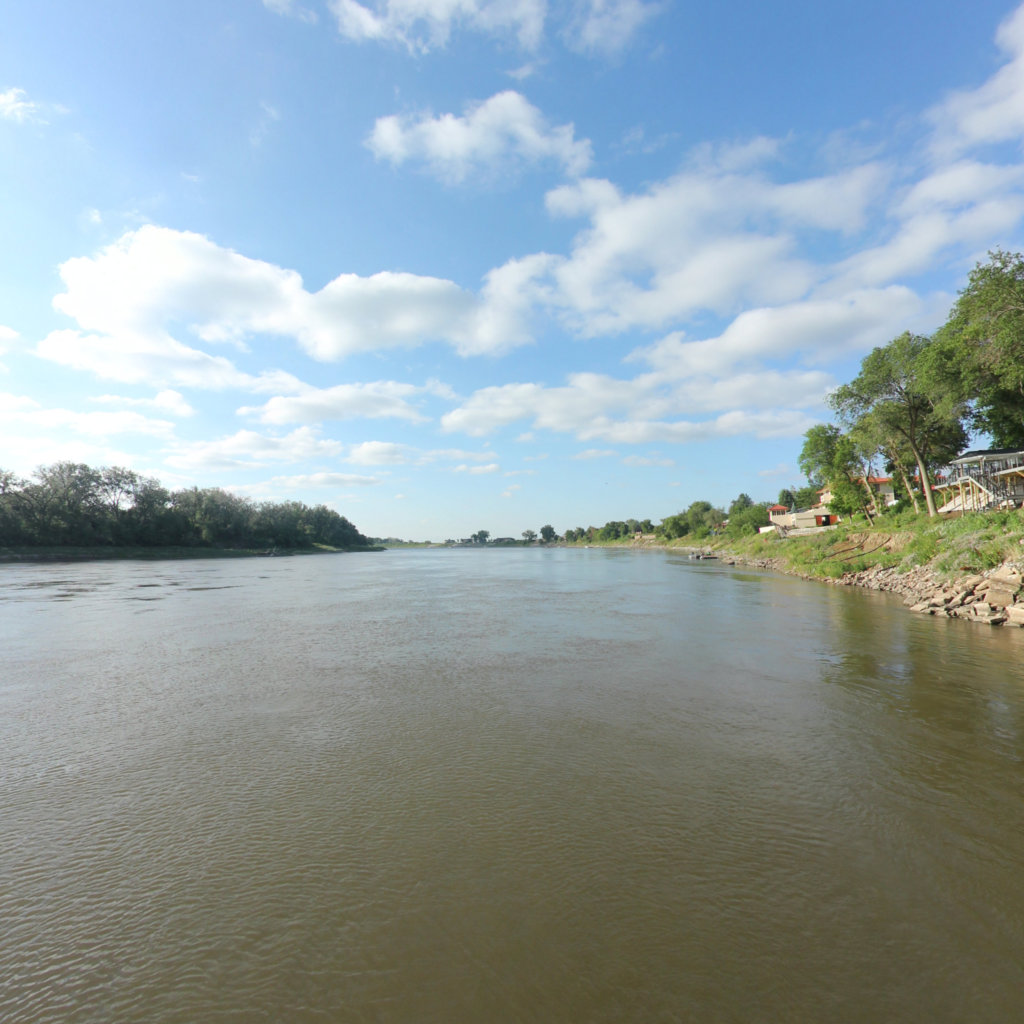
The Omaha people occupied territory along the Missouri River in present-day eastern Nebraska. Although the expedition passed through Omaha territory in August 1804, they did not manage to arrange a council — the Omaha were away hunting buffalo on the plains.
Clark visited the grave of the recently deceased Omaha chief Blackbird, who had ruled his people through intimidation and was said to have used arsenic obtained from traders to poison rivals. Blackbird had been buried sitting upright on his horse atop a bluff overlooking the Missouri — Clark paid his respects at this dramatic grave site.
The expedition noted the Omaha’s recent population losses from smallpox and expressed interest in future trade relations. The Omaha would later maintain a complicated relationship with American settlers and the U.S. government throughout the 19th century.
Territory & Encounter Locations
Note: the longest gap between tagged appearances is about 19 months (Nov 27, 1804 → Jul 1, 1806). No journal entries during that window were explicitly tagged with this nation.
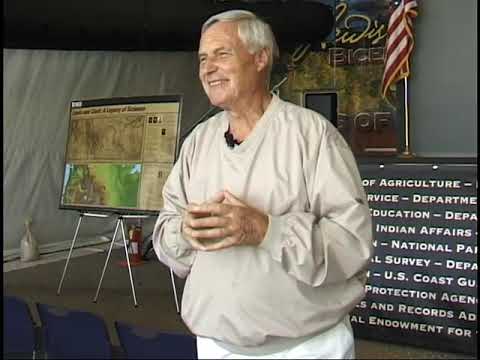
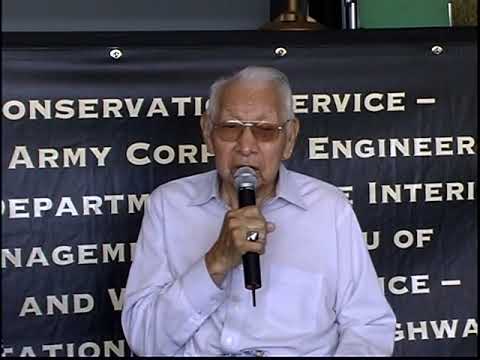
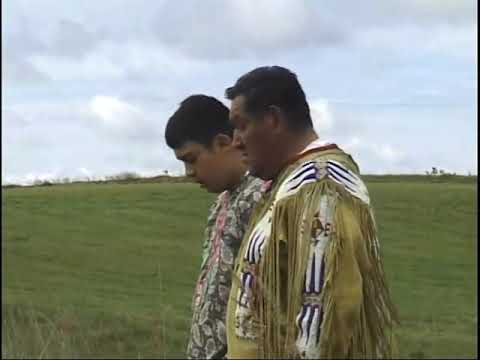
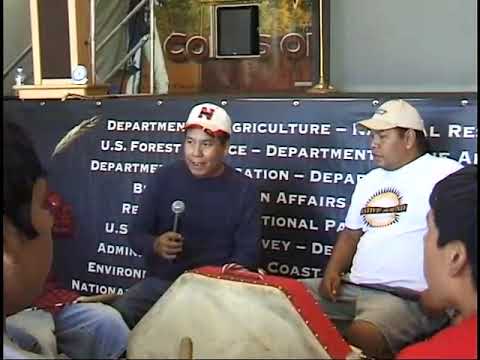
Tent of Many Voices (10)
 36:42
36:42
 60:16
60:16
 61:06
61:06
 45:38
45:38
 62:49
62:49
 44:00
44:00
 62:37
62:37
 47:03
47:03
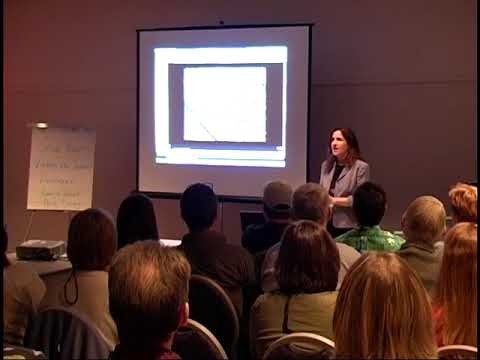 64:50
64:50
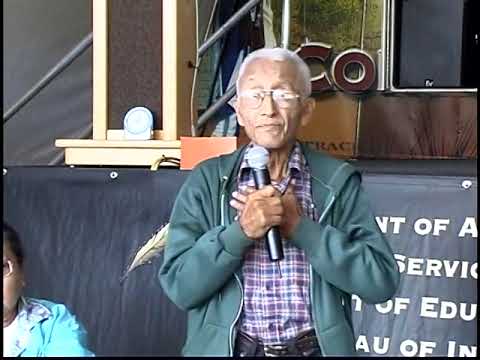 56:54
56:54
Journal Entries (30)



Cross-Narrator Analyses
Analyses that cite or discuss Omaha — showing 24 of the most recent matches.
The Omaha (Maha) Nation: A Diminished People in the Journals of Lewis & Clark
Introduction: A Nation in the Journals' ShadowThe Omaha — written variously as Mahar, Maha, Mahas, and Mahaha in the journals — occupy…
Buttons, Basilicon, and a Dying Man’s Tomahawk
June 2, 1806, found the Corps of Discovery at Camp Chopunnish on the Clearwater, waiting for the Bitterroot snows to recede. The…
Stolen Tomahawks and Gambled Horses: Frustration at the Eneeshur Villages
The expedition's struggle to acquire horses from the Eneeshur and Skilloot peoples on April 20, 1806, produced a multi-narrator cluster of the…
A Broken Voyage, a White Bear Skin, and a Missing Sergeant: Four Voices at Camp Chopunnish
The journal entries dated June 1, 1806 offer an unusual structural puzzle for readers of the expedition record. Three of the four…
A Canoe on the Rocks: Three Accounts of an October Wreck on the Snake
The wreck of a stern canoe in a Snake River rapid below the Palouse confluence produced one of the more vivid clusters…
A Trader’s Generosity and a Sergeant’s Disturbed Grave
The entries of September 4, 1806, find the Corps of Discovery descending the Missouri near the abandoned Omaha (Maha) village, soaked from…
A Wounded Knee, a Sick Camp, and a Botanist’s Eye
February 10, 1806, at Fort Clatsop produced an unusually clear demonstration of how the expedition's four journal-keepers divided narrative labor. All four…
Charbonneau Reconsiders: Two Accounts of a Reluctant Interpreter’s Return
The journal entries for March 17, 1805, capture a small but consequential episode in the final weeks at Fort Mandan: the interpreter…
Departing Fort Clatsop: Four Voices Ascend the Columbia
March 30, 1806, marks the expedition's first full day of upriver travel after departing Fort Clatsop. The four surviving journals from this…
Foot Races, Fiddles, and a Warning About the Mountains
The expedition's Sunday at Camp Chopunnish, the so-called Long Camp on the Clearwater, was outwardly unremarkable: a hunter returned empty-handed, visitors arrived…
Launching the Canoes: Three Views of October 7, 1805
October 7, 1805 marked a turning point for the Corps of Discovery: after weeks of overland suffering through the Bitterroots and a…
Splitting the Party at the Mountain’s Foot: Four Views of August 1, 1805
The first of August 1805 found the Corps of Discovery laboring up the Jefferson River toward the Continental Divide, their canoes fighting…
The Puppy and the Physician: Three Voices on a Day Among the Chopunnish
The journal entries for May 5, 1806, offer an unusually rich case for cross-narrator comparison. Lewis, Clark, and Sergeant Ordway all describe…
The Stolen Tomahawk Recovered: Four Accounts of a Tense Reunion at Wah-clel-lah
The expedition's upriver passage through the Cascades of the Columbia on April 9, 1806 produced four overlapping accounts that diverge in revealing…
Tormented by Mosquitoes: Three Voices on a Sand Bar Camp
The journal entries of September 5, 1806, capture the Corps of Discovery making rapid progress down the Missouri River, having recently met…
Two Trails Diverge: The Expedition Splits and the Journals Follow Suit
By July 5, 1806, the Corps of Discovery had divided. Meriwether Lewis was leading one party overland toward the Great Falls of…
Wapato, Stolen Tomahawks, and a Mountain Misnamed: Three Views of the Lower Columbia
The entries of November 4, 1805, capture the Corps of Discovery's passage through the lower Columbia tidewater, a stretch where Native villages…
Charles Floyd: The Sergeant’s Plain Ledger
VoiceCharles Floyd writes like a man keeping a ship's log who has been told, almost as an afterthought, that he is also…
François Labiche: Hunter, Waterman, and Interpreter of the Corps of Discovery
IntroductionFrançois Labiche — variously spelled Labieche, Labiech, Labeech, and Labice in the journals — was an enlisted private of the permanent party…
Hugh McNeal: A Private’s Long March
Enlistment and Mess AssignmentHugh McNeal first appears in the expedition record on May 26, 1804, when Captain Lewis issued detachment orders organizing…
John Colter: The Hunter Who Walked Away From Home
Enlistment and First Mess AssignmentJohn Colter first appears in the official record on May 26, 1804, when Meriwether Lewis issued detachment orders…
Pierre Cruzatte: Fiddler, Waterman, and the Man Who Shot Meriwether Lewis
Enlistment and Standing in the CorpsPierre Cruzatte (variously spelled Crusat, Crusatte, Cruzat in the journals) entered the expedition's record on May 26,…
The Otoe-Missouria: First Council on the Plains
Who They WereBy the time Lewis and Clark ascended the Missouri in 1804, the Otoe and Missouria peoples were closely allied —…
The Pawnee Nation: A Distant Presence in the Expedition’s Record
IntroductionThe Pawnee Nation — one of the dominant Caddoan-speaking peoples of the central Plains in 1804 — appears only obliquely in the…
From the Heacock Memorial Archive
1 lewis-clark.org articles that mention Omaha, preserved here for Robert Heacock’s photography. The articles were written by that site’s contributing authors.
Your Nation, your story
Are you a representative or member of this Nation? Help us tell this story accurately: review how your Nation is represented, correct the record, or contribute materials and perspective.


