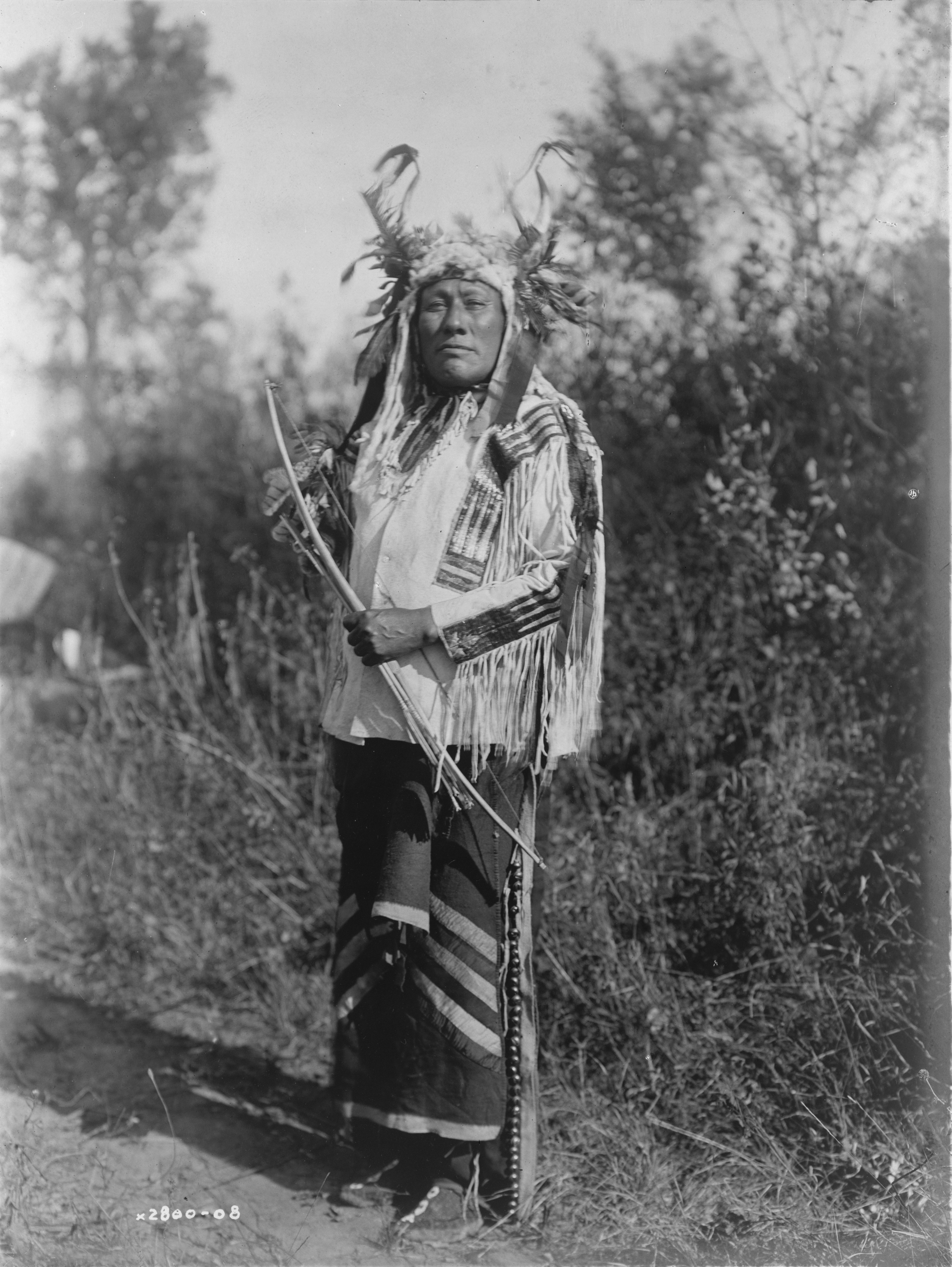
Hidatsa
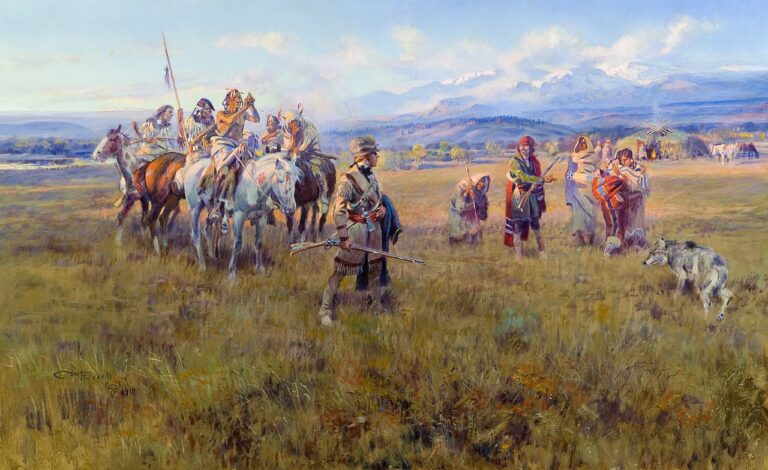
The Hidatsa (also called Minitari or Gros Ventres of the Missouri) were a Siouan-speaking agricultural people who lived in three earth-lodge villages near the confluence of the Knife and Missouri Rivers in present-day North Dakota, adjacent to the Mandan. The expedition spent the winter of 1804–1805 at Fort Mandan in close proximity to the Hidatsa, gathering an enormous quantity of geographic, ethnographic, and strategic intelligence from them about the territory to the west. It was in a Hidatsa village that the expedition hired Toussaint Charbonneau and, crucially, encountered his wife Sacagawea, a Lemhi Shoshone woman who had been captured by the Hidatsa in a raid years earlier. The Hidatsa were skilled farmers, warriors, and traders whose detailed knowledge of the upper Missouri and Rocky Mountain geography proved essential to the expedition's route planning.
Portrait: Wikimedia Commons / Wikipedia: Hidatsa (Long Time Dog)
Most Mentioned in Hidatsa-tagged Entries
People
- Drouillard (19)
- Capt. Clark (19)
- Charbonneau (8)
- Cameahwait (7)
- Joseph Field (7)
- Reubin Field (6)
- Shields (4)
- Hohastillpilp (4)
- Capt Lewis (4)
- Sacagawea (3)
Places
- Missouri River (32)
- Rocky Mountains (12)
- Columbia River (11)
- Marias River (6)
- Fort Mandan (6)
- Yellowstone River (6)
- the cove (5)
- Fort de Prarie (4)
- Great Falls of the Missouri (4)
- Jefferson River (3)
Biography
The Hidatsa (also known as Minnetaree or Gros Ventre of the Missouri) lived in three earth-lodge villages near the Mandan along the Knife River in present-day North Dakota. They were closely allied with the Mandan and participated in the same extensive trade networks.
The Hidatsa were skilled warriors and hunters who ranged widely across the Northern Plains. It was a Hidatsa raiding party that had captured the young Sacagawea from the Shoshone several years before the expedition — an event that would have profound consequences for American history.
The expedition gathered valuable geographic intelligence from the Hidatsa, who had traveled far to the west on war and hunting expeditions. Their descriptions of the Missouri’s upper reaches and the mountains beyond proved essential for planning the route to the Pacific.
Le Borgne (One Eye), the principal Hidatsa war chief, was one of the most formidable leaders the expedition encountered. The Hidatsa, like the Mandan, were devastated by the 1837 smallpox epidemic.
Territory & Encounter Locations
Note: the longest gap between tagged appearances is about 5 months (Sep 10, 1805 → Feb 2, 1806). No journal entries during that window were explicitly tagged with this nation.
Tent of Many Voices (14)
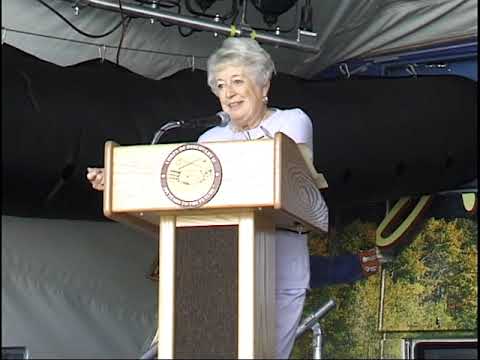 41:55
41:55
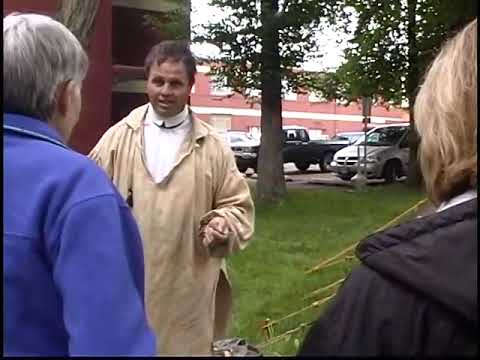 22:34
22:34
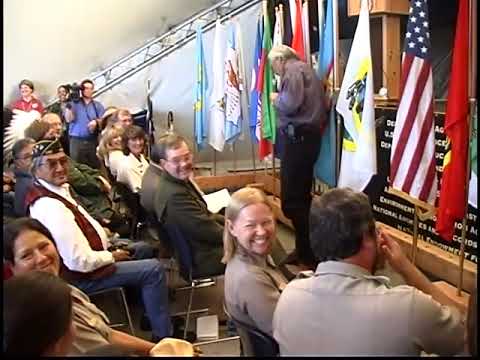 26:22
26:22
 47:30
47:30
 57:43
57:43
 60:10
60:10
 49:34
49:34
 44:08
44:08
 45:11
45:11
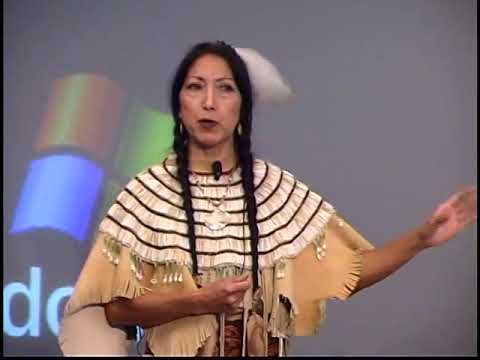 51:15
51:15
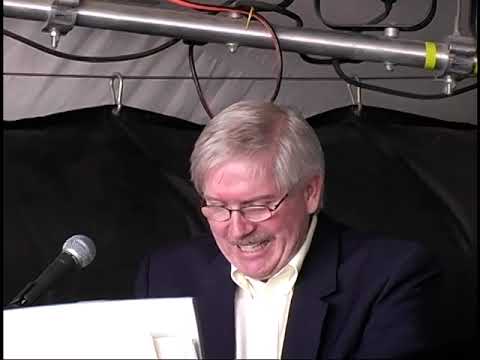 47:56
47:56
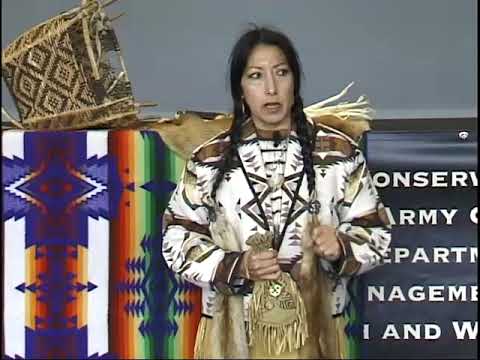 54:42
54:42
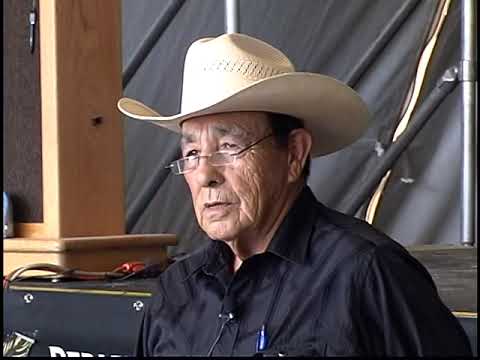 46:20
46:20
 29:40
29:40
Journal Entries (49)


Cross-Narrator Analyses
Analyses that cite or discuss Hidatsa — showing 24 of the most recent matches.
The Hidatsa: Knife River Villagers and the Expedition’s Northern Crossroads
A Confederation of Villages at the Knife RiverWhen the Corps of Discovery arrived at the mouth of the Knife River in late…
A Kettle Refused, a Sword Accepted: Four Voices at Yelleppit’s Camp
The 28th of April 1806 found the returning Corps of Discovery encamped near the mouth of the Walla Walla River, in extended…
A Swivel Gun, a Chief’s Departure, and Three Ledgers of the Same Day
The entries of Patrick Gass, John Ordway, and William Clark for August 16, 1806, all describe the same hours at the Mandan…
At the Three Forks: Two Journals, One Captive’s Memory
The expedition lay encamped at the Three Forks of the Missouri, the headwaters where the Jefferson, Madison, and Gallatin rivers converge. Captain…
Eighty-Six Miles on a Stiff Breeze: Three Versions of a Single August Day
By mid-August 1806, the Corps of Discovery had reunited and was descending the Missouri at remarkable speed, propelled by current, oars, and…
Fifteen Elk and a Bleeding Bear: Divergent Days on the Missouri and Yellowstone
The journal entries of July 31, 1806, present an unusual situation for cross-narrator analysis: the Corps of Discovery remained divided, with Lewis,…
Four Pens, One Council: Diplomacy and Doctoring Among the Chopunnish
The 11th of May 1806 finds the Corps of Discovery encamped among the Chopunnish (Nez Perce), reclaiming horses left the previous autumn…
Four Routes from Camp Disappointment: Divergent Journeys on a Single Day
The journal entries for 26 July 1806 illustrate a feature of the return: its geographic dispersion. With the Corps divided into multiple…
Four Voices at the Three Forks: Arrival, Illness, and a Captain’s Survey
The arrival at the Three Forks of the Missouri on July 27, 1805 produced four overlapping accounts that, read together, reveal how…
One Month Elapsed: Ethnography and Tedium at Fort Clatsop
February 2, 1806, was by every account an unremarkable Sunday at Fort Clatsop — moderate weather, a little snow, some hunters bringing…
Parting at Travelers’ Rest: Four Voices on a Divided Fourth of July
July 4, 1806, marked one of the more consequential days of the return journey: at Travelers' Rest in the Bitterroot Valley, the…
Sacagawea’s Capture Site and a Captain Lost Among Beaver Dams
The entries for July 30, 1805, ascending Jefferson's River from the Three Forks, reveal a sharp divergence in what each narrator chose…
Six Languages and a Gugling Tongue: Encountering the Flathead Salish at Ross’s Hole
The expedition's encounter with the Flathead Salish at Ross's Hole on September 5, 1805 is one of the more richly documented diplomatic…
The Puppy and the Physician: Three Voices on a Day Among the Chopunnish
The journal entries for May 5, 1806, offer an unusually rich case for cross-narrator comparison. Lewis, Clark, and Sergeant Ordway all describe…
The Sioux in the Road: Why No Mandan Chief Would Travel to Washington
The entries of August 15, 1806, written near the Mandan villages on the return journey, reveal a stark divergence in narrative scope.…
Three French Trappers and a Burning Bluff: Convergence on the Upper Missouri
The journals of April 10, 1805 capture the expedition's second full day west of Fort Mandan, with all four principal narrators—Meriwether Lewis,…
Three Frenchmen, a Medal Refused, and the Cheyennes at the Arikara Villages
The expedition's August 21, 1806 arrival at the Arikara villages produced three overlapping accounts that, read together, illuminate how the Corps' narrators…
Venison, Beaver Tails, and a Distant Party of Minetares
The expedition's second full day above Fort Mandan offers an unusually clear case study in how four men, traveling together and witnessing…
Charles Marion Russell: The Cowboy Artist and the Lewis & Clark Imagination
A Figure Outside the Journal RecordCharles Marion Russell is tagged in this project as a key figure associated with the Lewis and…
George Catlin in the Lewis & Clark Journal Record
A Note on SourcesGeorge Catlin (1796–1872) is not mentioned in any entry of the Lewis and Clark journals. The dataset underlying this…
Karl Bodmer: A Note on Absence from the Lewis & Clark Journals
OverviewThis biographical synthesis is unusual because it must begin with a clarification: Karl Bodmer (1809–1893), the Swiss-born painter whose watercolors and aquatints…
The Crow (Apsáalooke) in the Lewis & Clark Journals: A Distant but Decisive Presence
A Nation Met Only at the EdgesThe Apsáalooke — rendered in the journals as "Crow," "Crow de Curbo," "de Carbours," and (for…
The Lemhi Shoshone: Horse Lords of the Continental Divide
A Nation Glimpsed Long Before They Were MetThe Lemhi Shoshone — the band of Northern Shoshone inhabiting the headwaters of the Missouri…
The Pawnee Nation: A Distant Presence in the Expedition’s Record
IntroductionThe Pawnee Nation — one of the dominant Caddoan-speaking peoples of the central Plains in 1804 — appears only obliquely in the…
From the Heacock Memorial Archive
2 lewis-clark.org articles that mention Hidatsa, preserved here for Robert Heacock’s photography. The articles were written by that site’s contributing authors.
Your Nation, your story
Are you a representative or member of this Nation? Help us tell this story accurately: review how your Nation is represented, correct the record, or contribute materials and perspective.


