John Colter
John Colter was a private in the Corps of Discovery who became famous as one of the first mountain men and the first known person of European descent to enter what is now Yellowstone National Park. On the return journey in 1806, Lewis and Clark granted Colter an early discharge so he could join two fur trappers heading back up the Missouri. His subsequent solo explorations of the Yellowstone region — including geothermal features his contemporaries dubbed "Colter's Hell" — made him a legendary figure in the history of Western exploration. His famous escape from Blackfeet captivity, running naked across miles of rocky terrain, became one of the most celebrated frontier survival stories.
Biography
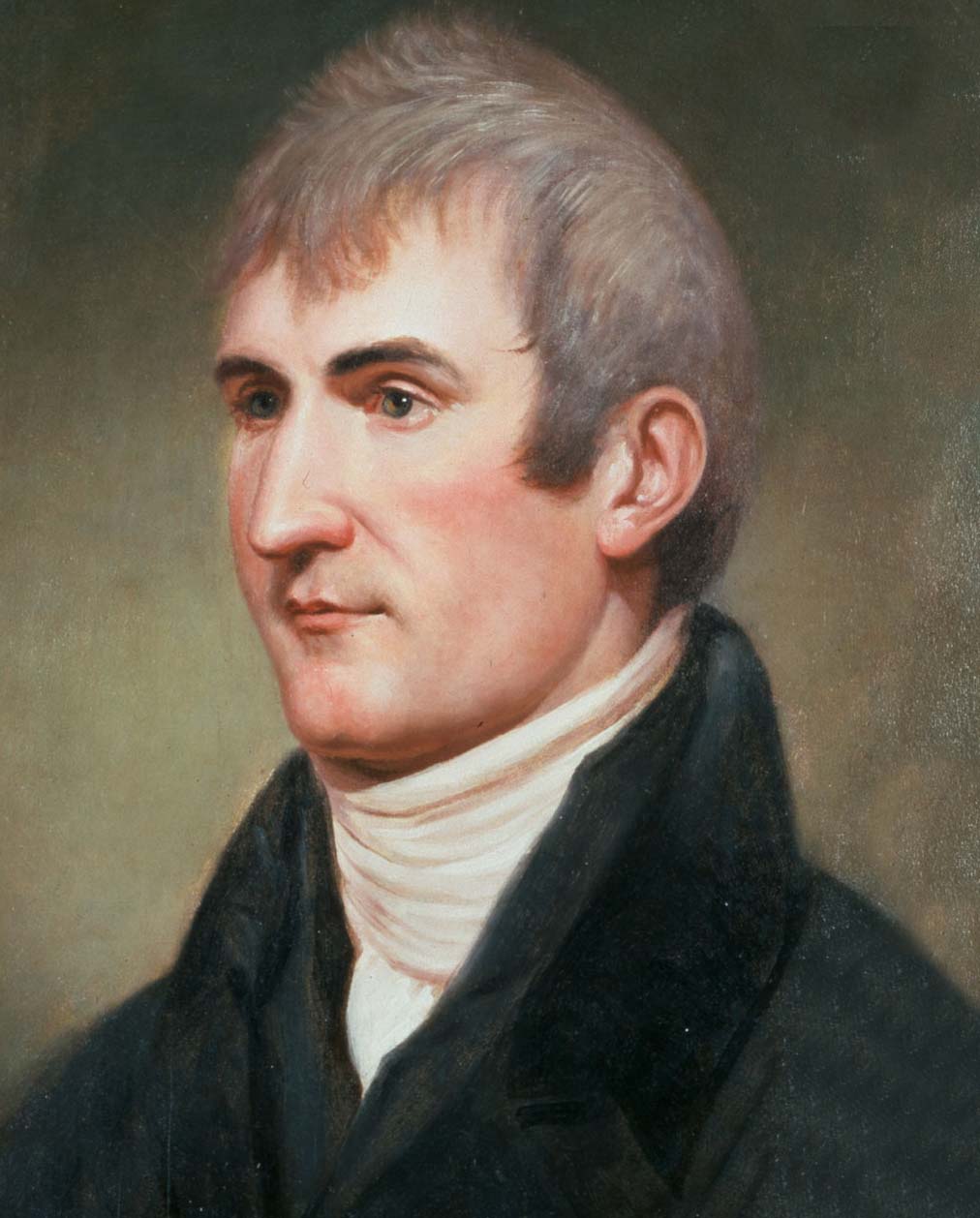
John Colter (c. 1774-1812) was one of the expedition’s most capable woodsmen and hunters. His post-expedition adventures made him one of the most legendary figures of the American frontier.
On the return journey in August 1806, Colter asked to be discharged early to join two fur trappers heading back up the Missouri. The captains reluctantly agreed. This decision launched one of the great adventure stories of the American West.
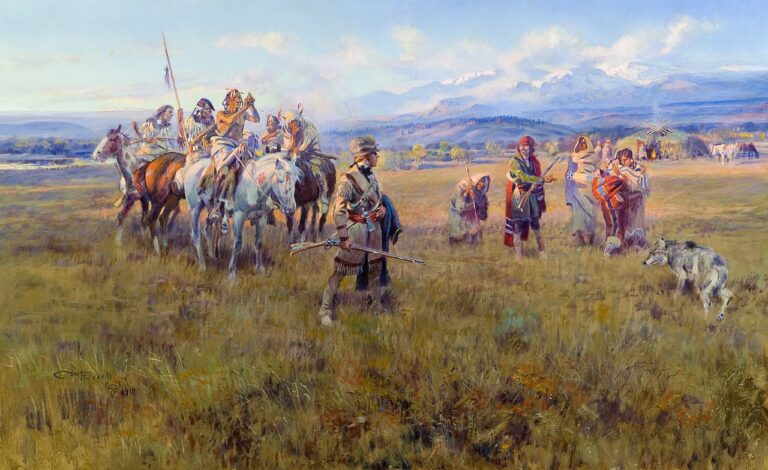
In the winter of 1807-1808, working for Manuel Lisa’s Missouri Fur Company, Colter made a solo journey of approximately 500 miles through the Yellowstone region, becoming the first Euro-American to see the geysers and hot springs. His reports were so fantastic that people called the area “Colter’s Hell.”
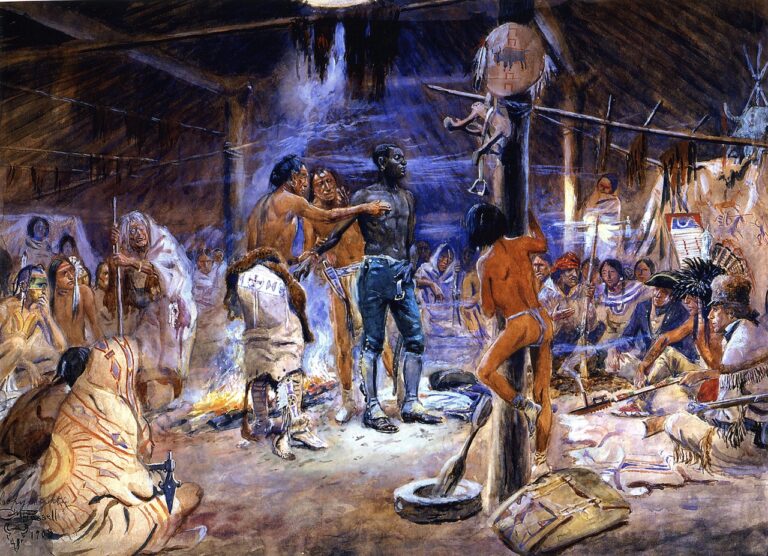
In 1808, Colter was captured by Blackfeet warriors who stripped him naked and gave him a head start before chasing him across the prairie. In one of the frontier’s most famous escape stories, Colter outran his pursuers for six miles, dove into a river, and hid under a logjam until they gave up the search. He then walked 200 miles back to Fort Raymond, barefoot and naked, in eleven days.
Colter retired from the frontier in 1810 and settled near St. Louis, where he died of jaundice in 1812.
Related Locations
Note: the longest gap between tagged appearances is about 7 months (Sep 22, 1804 → Apr 16, 1805). John Colter may have been present in the corps during that span but is not named in the journals.
Tent of Many Voices (1)
Journal Entries (111)


Cross-Narrator Analyses
Analyses that cite or discuss John Colter — showing 15 of the most recent matches.
John Colter: The Hunter Who Walked Away From Home
Enlistment and First Mess AssignmentJohn Colter first appears in the official record on May 26, 1804, when Meriwether Lewis issued detachment orders…
A Day’s Halt at Travelers’ Rest and the Flathead Encounter
The Corps spent September 10, 1805 in camp at Travelers' Rest, near present-day Lolo, Montana, while hunters fanned out and the captains…
A Day’s Rest at Travelers’ Rest, and Three Riders from the West
September 10, 1805 was meant to be a logistical pause. The captains halted at Travelers' Rest Creek to take observations, rest horses,…
A Stolen Horse at the Mouth of the Teton
This analysis was prepared with AI assistance and reviewed by a human editor.The entries for September 24, 1804, capture the expedition's arrival…
Boils, Bear-Fat, and the Rhythm of a Repair Day
June 18, 1804 was a stationary day on the Missouri near the future site of Boonville, Missouri. The expedition had halted to…
Crossing the Divide, Crossing a Threshold
August 26, 1805 places the expedition astride the Continental Divide at Lemhi Pass, and the day's significance registers differently across the journals.…
Five Canoes and a Camp of Sick Men: Divergent Views from the Clearwater
The entries of September 27, 1805, written from Canoe Camp on the Clearwater River, capture a turning point in the expedition: the…
Four Pens at Council Bluff: Diplomacy, Venison, and a White Heron
The entries of August 2, 1804, offer a rare convergence: four narrators — Patrick Gass, Joseph Whitehouse, Meriwether Lewis, and William Clark…
Four Pens on the Upper Missouri: Coal, Antelope, and a Remarkable Beaver
The entries for April 16, 1805, offer an unusually clear view of how the expedition's four working journalists handled a shared day…
On the Eve of the Snowy Crossing: Four Voices Pack for the Bitterroots
June 14, 1806 found the Corps of Discovery encamped on the eastern slope of the Bitterroots, packing their baggage for a second…
The Prairie Dog Village and a Discrepancy in the Journals
The journal entries for September 7, 1804 present a striking case of narrative divergence among the expedition's enlisted chroniclers. Patrick Gass and…
Three Versions of a Cold, Windy Day on the Missouri
The expedition's journals for September 6, 1804, offer a useful case study in how three narrators operating side by side on the…
Two Departures at the Mandan Villages: Colter Turns Back, Sheheke Heads East
The entries of Patrick Gass and John Ordway for August 17, 1806, document the same sequence of events near the Mandan villages:…
Silas Goodrich: The Expedition’s Fisherman
Enlistment and Mess AssignmentSilas Goodrich first appears in the expedition record on May 26, 1804, when Captain Meriwether Lewis issued his Detachment…
William Bratton: Hunter, Saltmaker, and Patient of the Corps of Discovery
Enlistment and Place in the CorpsWilliam Bratton enters the expedition record on May 26, 1804, when Meriwether Lewis issued his Detachment Orders…
From the Heacock Memorial Archive
3 lewis-clark.org articles that mention John Colter, preserved here for Robert Heacock’s photography. The articles were written by that site’s contributing authors.
Researcher or educator?
Get help using the archive in your work, suggest sources we should include, or talk with us about collaboration and classroom use.


