
Chinook
The Chinook proper (Lower Chinook) lived along the north bank of the Columbia River near its mouth and on the shores of present-day Willapa Bay in Washington, occupying one of the most resource-rich environments on the continent. They were the preeminent traders of the Pacific Northwest, and the trade jargon that bore their name later grew, through the fur-trade era, into the lingua franca of commerce from Alaska to California. Lewis and Clark encountered the Chinook in November 1805, finding them skilled canoe builders and shrewd negotiators already experienced in dealing with Euro-American maritime traders. The expedition noted their flattened-head cranial modification, elaborate cedar plank houses, and extensive use of salmon and wapato.
Portrait: Paul Kane, Chinook Indians in Front of Mount Hood, c. 1851-56, National Gallery of Canada (public domain) / Wikimedia Commons
Most Mentioned in Chinook-tagged Entries
People
- Collins (12)
- Capt Lewis (12)
- Shannon (9)
- Drouillard (9)
- Gibson (8)
- Joseph Field (8)
- Patrick Gass (6)
- Reubin Field (6)
- McNeal (5)
- Nathaniel Pryor (4)
Places
- Columbia River (18)
- Rocky Mountains (10)
- Point Adams (6)
- Missouri River (6)
- Fort Clatsop (5)
- Salt works (4)
- Netul (4)
- Cape Disapointment (3)
- Netul river (3)
- Cape disapointment (2)
Biography
The Chinook people dominated the lower Columbia River and its estuary — one of the richest environments on the continent. They were master traders whose language became the basis for Chinook Jargon, the trade pidgin of the Pacific Northwest.
The expedition encountered the Chinook near the mouth of the Columbia in November 1805. Relations were generally cordial but sometimes tense, as the Chinook were experienced traders who drove hard bargains and the captains were frustrated by what they perceived as theft.
The Chinook economy was based on salmon, which they caught in enormous quantities and traded throughout the region. Their material culture — plank houses, ocean-going canoes, elaborate woodwork — impressed the expedition members, though Clark complained about fleas in the Chinook dwellings.
The Chinook, like many Pacific Northwest peoples, suffered catastrophic population decline in the early 19th century from introduced diseases, particularly the malaria epidemics of the 1830s.
Territory & Encounter Locations
Treaties (1)
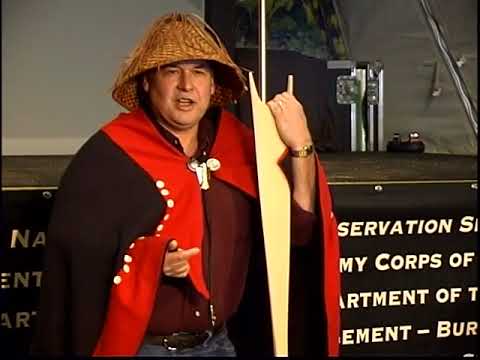
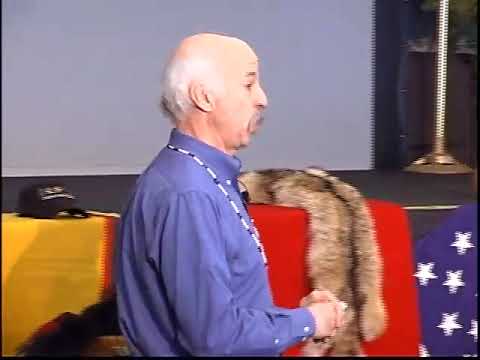
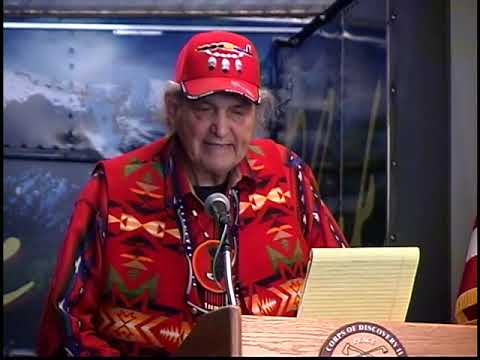
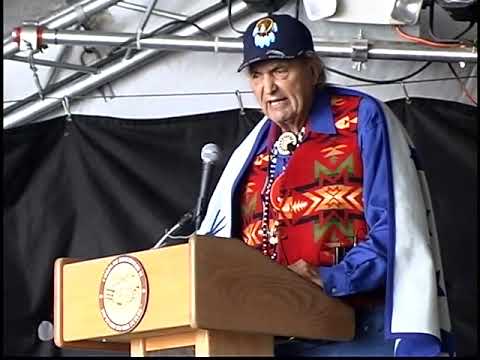
Tent of Many Voices (13)
 56:28
56:28
 26:49
26:49
 24:26
24:26
 29:33
29:33
 49:23
49:23
 42:35
42:35
 49:01
49:01
 47:26
47:26
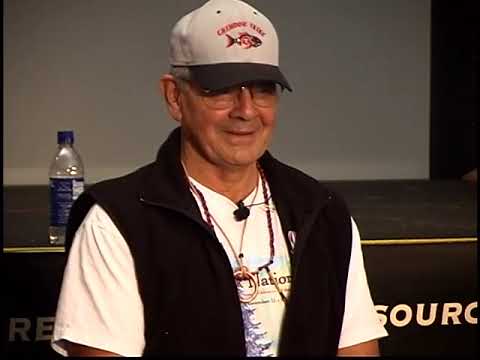 43:21
43:21
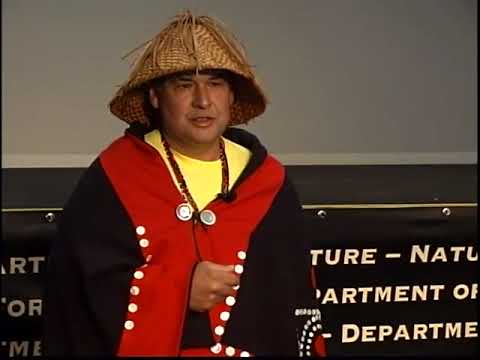 51:22
51:22
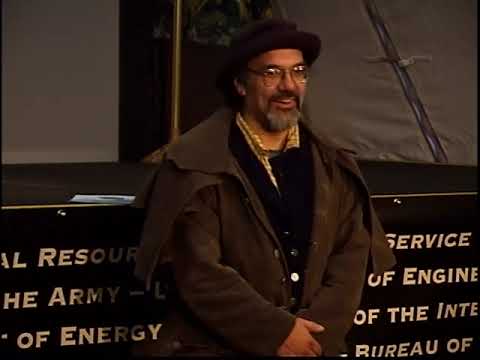 49:26
49:26
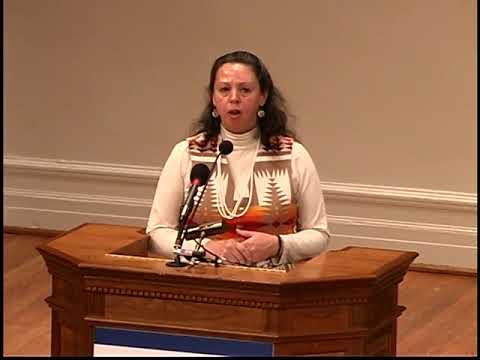 51:14
51:14
 33:19
33:19
Journal Entries (52)


Cross-Narrator Analyses
Analyses that cite or discuss Chinook — showing 24 of the most recent matches.
The Chinook Nation: First Encounters at the Pacific
IntroductionThe Chinook were among the most consequential Native nations encountered by the Lewis and Clark Expedition during its winter on the Pacific…
A Lost Canoe and a Coastal Trade Network
The journal entries for January 11, 1806, written from the soggy confines of Fort Clatsop, illuminate two themes that preoccupied the expedition…
A Uniform Coat for a Canoe: Departure Preparations at Fort Clatsop
The entries of March 17, 1806 capture the Corps of Discovery in the final, restless days before abandoning Fort Clatsop. Three narrators…
Cedar-Bark Hats and the Captains’ Parallel Pens
The journal entries for February 22, 1806 offer an unusually clear window into how the Lewis and Clark expedition's documentary apparatus functioned…
Chief Beads and Cedar Bowls: Trade and Material Culture at Fort Clatsop
The journal entries for January 17, 1806 offer an unusually clear window into how the captains divided — and duplicated — the…
Crowded Canoes and a Taste for Dog: Four Voices on the Columbia
The loss of a perogue the previous day forced the Corps of Discovery into a logistical scramble on April 13, 1806. With…
Deer Island: Four Narrators, One Snake-Covered Camp
The party's first full day of upriver travel after departing Fort Clatsop produced four journal entries describing the same camp on Deer…
Departure from Fort Clatsop: Two Sergeants Watch the Canoes Push Off
The Corps of Discovery left Fort Clatsop at one o'clock in the afternoon, ending a 106-day encampment on the Oregon coast and…
Empty Stores and the Mystery of the Sewelel
A Garrison on Short RationsThe entries from Fort Clatsop on this Wednesday converge on a single anxiety: food. Clark and Lewis open…
Four Elk, a Lost Foresight, and an Unwelcome Return at Fort Clatsop
The journal entries for March 15, 1806 offer a textbook case of how the four principal expedition narrators distributed their attention across…
Four Pens at Fort Clatsop: A Chinook Chief, a Hatful of Cedar Bark, and the Captains’ Doctrine of Distrust
The journals of February 20, 1806 offer an unusually clear demonstration of how the Lewis and Clark expedition produced parallel — and…
Four Pens, Four Registers: A Day of Hunger and Visitors at Fort Clatsop
The journal entries for March 21, 1806 offer one of the clearest demonstrations of how the four principal Fort Clatsop diarists divided…
Four Pens, One Dog, and a Clatsop House
The journals of January 18, 1806 offer one of the clearest demonstrations of the divided labor among the four Fort Clatsop diarists.…
Four Pens, One Sturgeon Camp: Ascending the Columbia
The expedition's second day ascending the Columbia after departing Fort Clatsop produced an unusually rich four-narrator record. Patrick Gass, John Ordway, William…
Hunters on the Netul, Canoes on the Page: Parallel Labors at Fort Clatsop
The first day of February 1806 at Fort Clatsop produced one of the clearest examples in the expedition record of how dramatically…
Lean Elk and Cedar Hats: Divergent Registers at Fort Clatsop
The entries for January 29, 1806, offer an unusually clear demonstration of how the four journal-keepers at Fort Clatsop divided the labor…
Marksmen, Medicine, and Barefoot Visitors: Four Views from Fort Clatsop
The events of January 24, 1806 at Fort Clatsop were straightforward: George Drouillard and Jean-Baptiste Lepage returned by canoe with the Clatsop…
One Month Elapsed: Ethnography and Tedium at Fort Clatsop
February 2, 1806, was by every account an unremarkable Sunday at Fort Clatsop — moderate weather, a little snow, some hunters bringing…
Patient Strategy and Patient Copying: Twin Entries from Fort Clatsop
The January 16, 1806 entries by Meriwether Lewis and William Clark are among the clearest examples in the expedition record of one…
Seven Elk, One Bushel of Salt: Provisioning Anxieties at Fort Clatsop
The journal entries of February 3, 1806, capture a routine but revealing day at Fort Clatsop: hunter George Drouillard and Jean Baptiste…
Seven Robes for a Coat: Parallel Ethnography at Fort Clatsop
The journal entries for January 15, 1806 offer one of the clearest windows into the collaborative writing practices of Meriwether Lewis and…
Six Pounds in Two Days: Hunger, Habit, and Hospitality at Fort Clatsop
The entries of January 20, 1806 capture a quiet day at Fort Clatsop in which the dominant subjects are diplomatic visitation, dwindling…
Steamed Sturgeon and Silent Skies: Domestic Science at Fort Clatsop
The fourth of March 1806 produced no event the captains of the Corps of Discovery thought worth narrating. Lewis opens with the…
Three Pens at Fort Clatsop: Ordway’s Illness and the Sea Otter Described
The journal entries for February 23, 1806 offer an unusually clean case study in how the Fort Clatsop winter shaped the expedition's…
From the Heacock Memorial Archive
16 lewis-clark.org articles that mention Chinook, preserved here for Robert Heacock’s photography. The articles were written by that site’s contributing authors.
The Watlalas
The Wahkiakums
The Sandy River
The "quicksand river"
The Skilloots
Alcohol Rations
Ardent spirits on the expedition
April 9, 1806
Beautiful waterfalls
January 8, 1806
A night at Ecola
November 7, 1805
Ocean in view?
December 30, 1805
Fair morning
January 3, 1806
An agreeable food
April 3, 1806
Mapping the Willamette River
November 27, 1805
Sheltering at Tongue Point
March 27, 1806
Generous Skilloots
March 26, 1806
At Fanny's Bottom
October 21, 1805
Columbia River rapids
April 2, 1806
Exploring the Willamette River
Your Nation, your story
Are you a representative or member of this Nation? Help us tell this story accurately: review how your Nation is represented, correct the record, or contribute materials and perspective.


