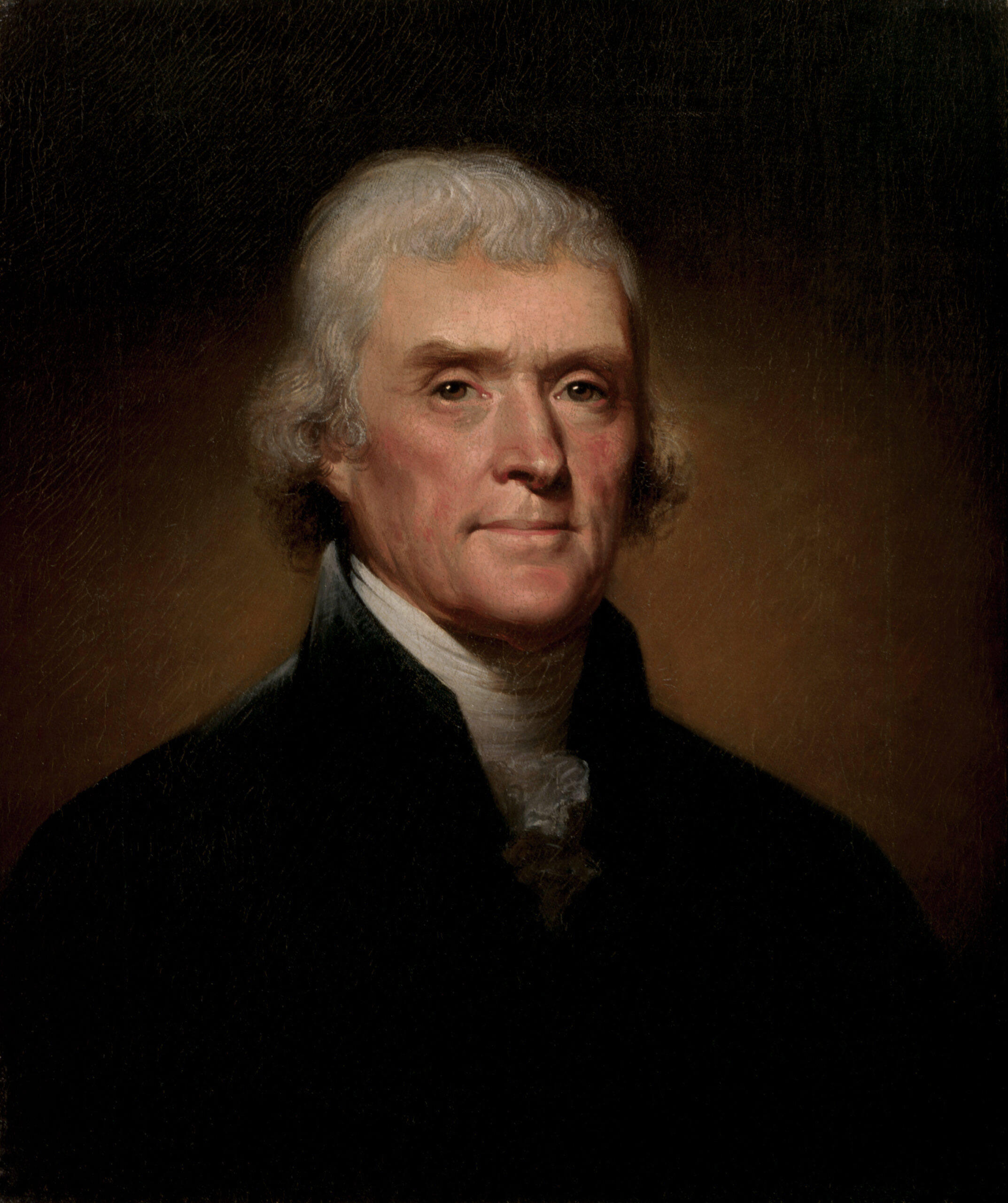
Thomas Jefferson
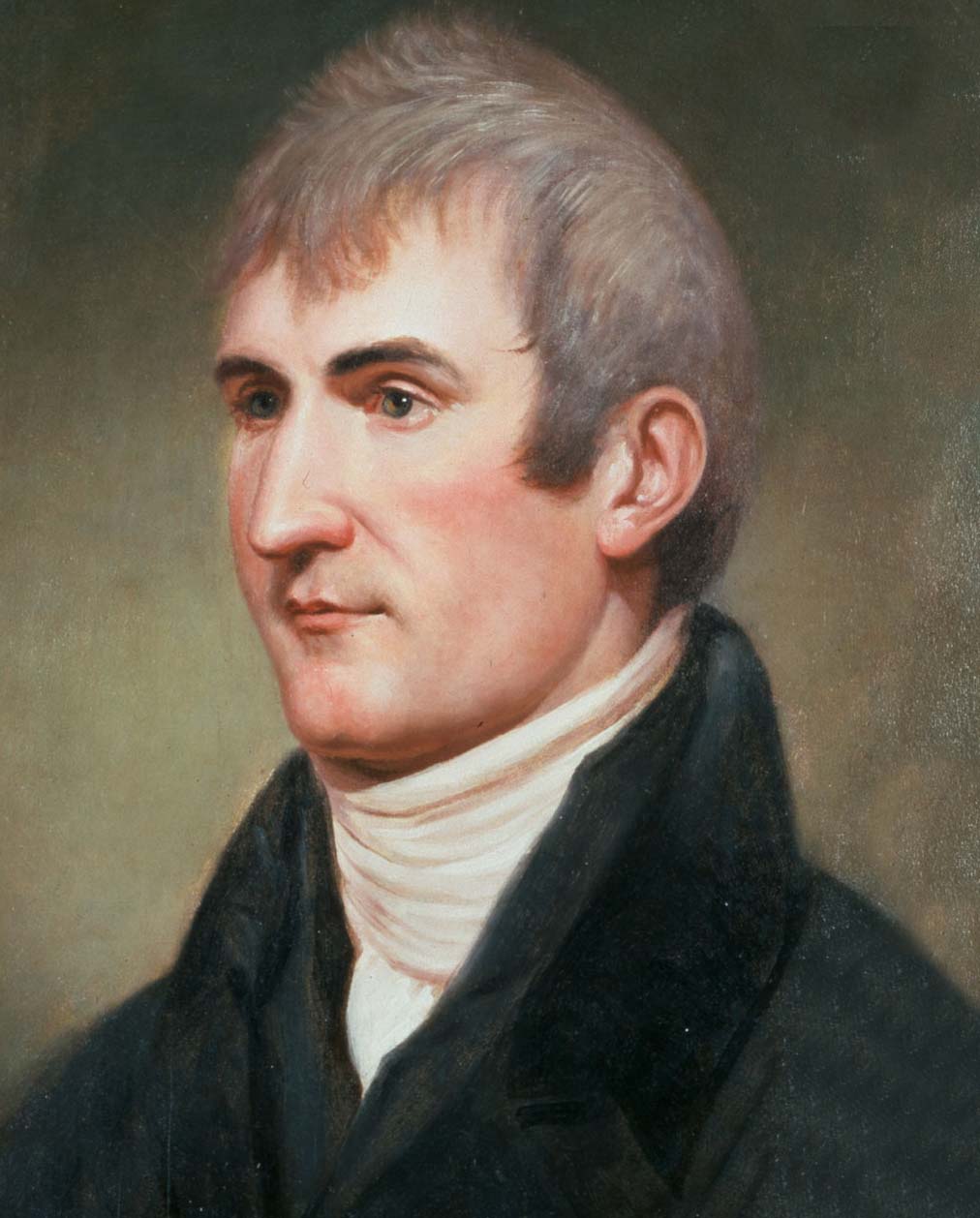
Thomas Jefferson, the third President of the United States, was the architect and primary sponsor of the Lewis and Clark Expedition. His lifelong fascination with the American West, combined with the strategic opportunity presented by the Louisiana Purchase of 1803, led him to commission the Corps of Discovery under the command of his private secretary, Meriwether Lewis. Jefferson drafted the detailed instructions for the expedition, emphasizing scientific observation, diplomatic relations with Native nations, and the search for a commercially viable route to the Pacific. He personally supervised Lewis's preparation, arranging training with leading scientists in Philadelphia. The expedition fulfilled Jefferson's vision of American expansion and scientific inquiry, though the hoped-for all-water route to the Pacific proved not to exist.
Portrait: Rembrandt Peale, 1800, White House Collection, Public Domain
Related Locations
Note: the longest gap between tagged appearances is about 6 months (Aug 13, 1805 → Feb 14, 1806). Thomas Jefferson may have been present in the corps during that span but is not named in the journals.
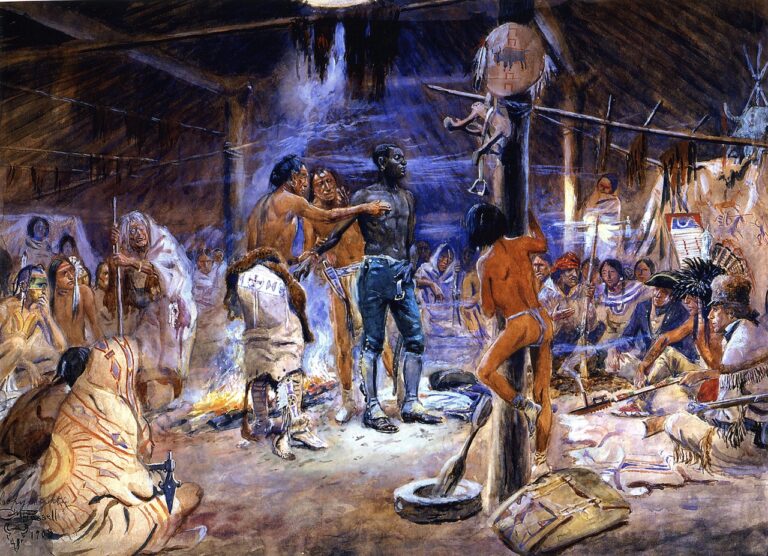
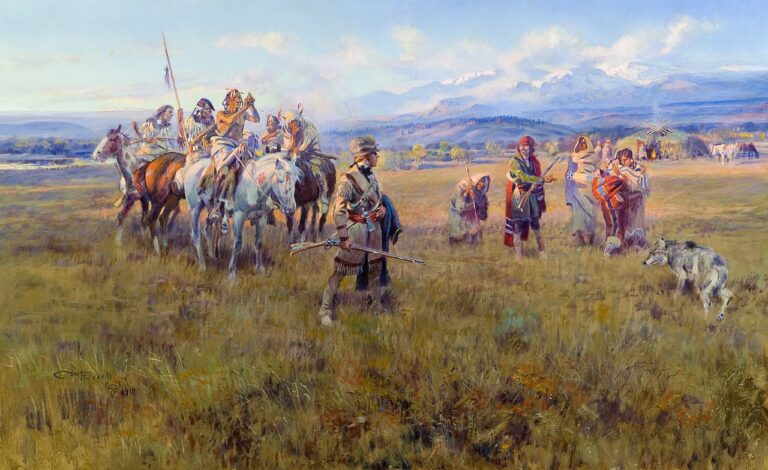
Art (2)
Tent of Many Voices (2)
Journal Entries (55)
Translations (4)
Documents (6)
Weapons (1)


Cross-Narrator Analyses
Analyses that cite or discuss Thomas Jefferson — showing 9 of the most recent matches.
Thomas Jefferson: The Distant Architect of the Voyage of Discovery
An Absent PresenceThomas Jefferson never set foot on the expedition trail, yet his shadow falls across the journals from St. Louis to…
Cargo Manifests and Candid Confessions: Three Voices on the Eve of Departure
The entries of April 3, 1805, capture the Corps of Discovery on the threshold of its journey into unmapped country. The barge…
Cargo, Correspondence, and a Chief’s Departure: Three Views of Fort Mandan’s Final Days
The entries of April 2, 1805 from Fort Mandan present a study in narratorial division of labor. Three men — Sergeant Patrick…
Frozen Moccasins and White Robes: Two Sergeants Witness the Salish Encounter
The journals of Joseph Whitehouse and John Ordway for September 4, 1805, run so closely in parallel that they invite direct comparison…
The Prairie Dog Village and a Discrepancy in the Journals
The journal entries for September 7, 1804 present a striking case of narrative divergence among the expedition's enlisted chroniclers. Patrick Gass and…
The Sioux in the Road: Why No Mandan Chief Would Travel to Washington
The entries of August 15, 1806, written near the Mandan villages on the return journey, reveal a stark divergence in narrative scope.…
Karl Bodmer: A Note on Absence from the Lewis & Clark Journals
OverviewThis biographical synthesis is unusual because it must begin with a clarification: Karl Bodmer (1809–1893), the Swiss-born painter whose watercolors and aquatints…
The Captain’s Eye: Meriwether Lewis as Naturalist, Quartermaster, and Reluctant Diarist
VoiceMeriwether Lewis writes in a register that is at once military, scientific, and quietly literary. Where William Clark tends toward terse navigational…
The Teton Sioux (Lakota): Gatekeepers of the Upper Missouri
Introduction: A Single Entry, A Defining ConfrontationThe journal record provided here is exceptionally limited — only one entry (September 25, 1804) explicitly…
From the Heacock Memorial Archive
10 lewis-clark.org articles that mention Thomas Jefferson, preserved here for Robert Heacock’s photography. The articles were written by that site’s contributing authors.
The Sandy River
The "quicksand river"
The Falls of the Ohio
The partnership begins
Rattlesnakes
Crotalus sp.
William Clark (1784–1838)
Alcohol Rations
Ardent spirits on the expedition
November 3, 1805
The "Quick Sand" River
October 21, 1805
Columbia River rapids
April 20, 1803
Lewis leaves Harpers Ferry
September 13, 1803
Marietta, Ohio
September 28, 1803
Cincinnati arrival
Researcher or educator?
Get help using the archive in your work, suggest sources we should include, or talk with us about collaboration and classroom use.


