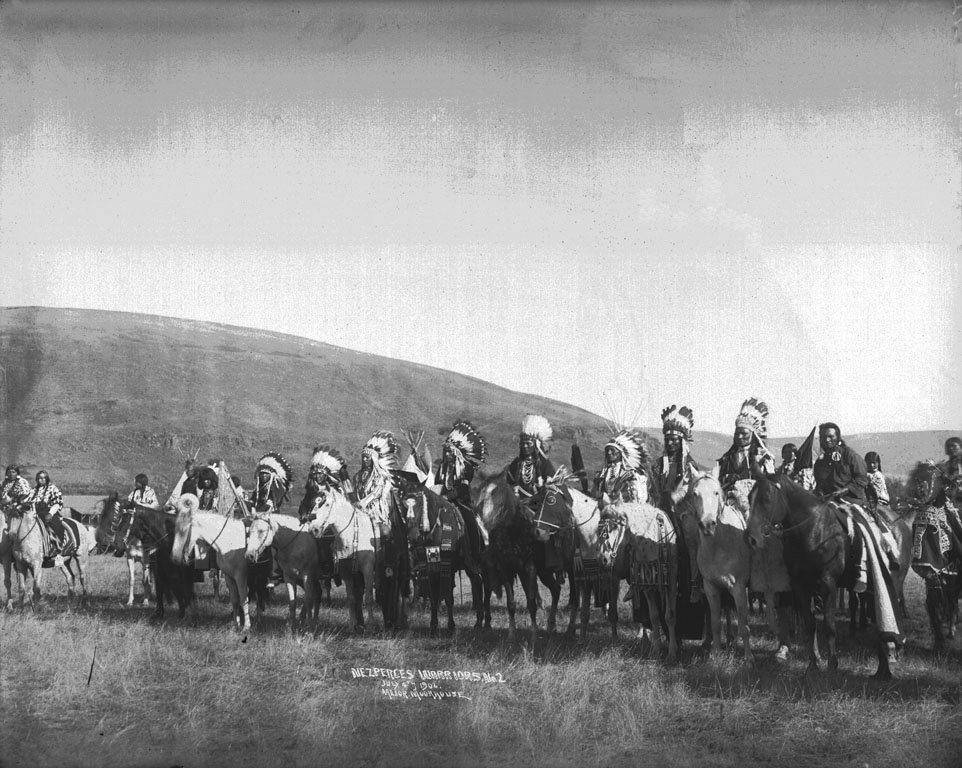
Nez Perce
The Nez Perce (Nimiipuu) occupied a large territory encompassing the Clearwater, Salmon, and Snake River drainages in present-day central Idaho, southeastern Washington, and northeastern Oregon. The expedition encountered the Nez Perce in September 1805, arriving in their territory starving and exhausted after the harrowing Bitterroot crossing; the Nez Perce, led by chiefs including Twisted Hair, provided food, shelter, and canoe-building assistance that almost certainly saved the expedition from disaster. The Corps left their horse herd in Nez Perce care for the winter, retrieving them on the return journey in spring 1806, during which they spent nearly a month among the Nez Perce waiting for snow to melt on the Lolo Trail. The Nez Perce were master horse breeders, skilled fishermen, and camas gatherers whose hospitality and practical assistance rank among the most significant Native contributions to the expedition's survival.
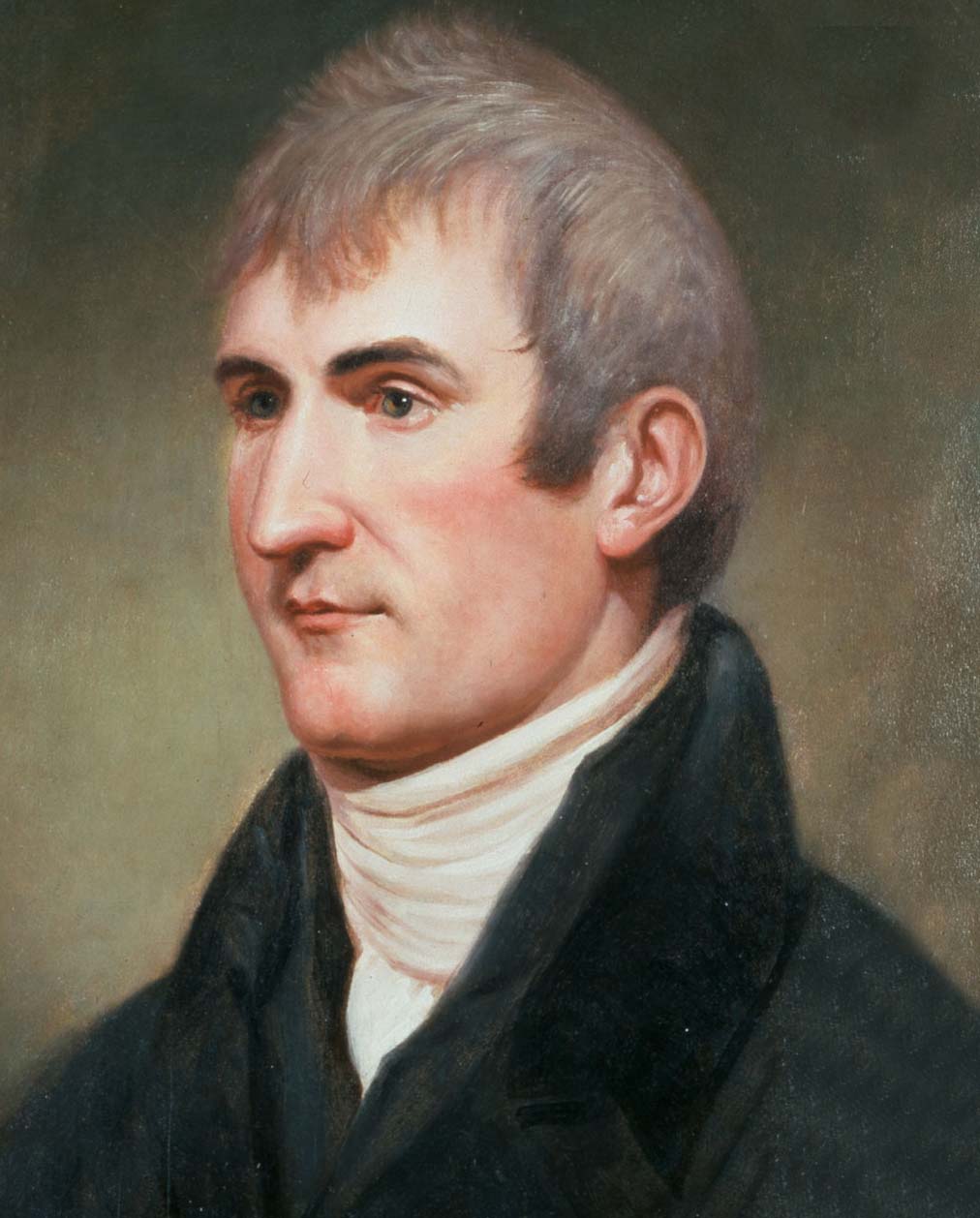
Portrait: Wikimedia Commons / Wikipedia: Nez Perce
Most Mentioned in Nez Perce-tagged Entries
People
- Drouillard (38)
- Capt. Lewis (17)
- Charbonneau (16)
- Reubin Field (15)
- Shannon (13)
- Gibson (11)
- Collins (11)
- Colter (10)
- Hohastillpilp (10)
- Capt. Clark (9)
Places
- Columbia River (30)
- Rocky Mountains (28)
- Snake River (26)
- Clearwater River (25)
- Missouri River (20)
- Bitterroot River (18)
- Collins Creek (14)
- Chopunnish river (12)
- Colter's Creek (7)
- Fort Clatsop (6)
Biography
The Nez Perce (Nimiipuu, meaning “The People”) of the Clearwater and Snake River plateaus became some of the expedition’s most important allies. Their assistance was crucial at two critical junctures: when the expedition emerged from the Bitterroots in September 1805, and during the return journey in 1806.
When Clark’s advance party stumbled onto the Weippe Prairie half-starved after the Bitterroot crossing, a Nez Perce woman named Watkuweis — who had been treated kindly by Euro-Americans in her youth — reportedly urged her people not to harm the strangers. This intervention may have saved the expedition.
The Nez Perce provided food, helped build canoes, cared for the expedition’s horse herd for months, and furnished guides for the return Bitterroot crossing. The expedition spent more time with the Nez Perce than with any people except the Mandan — producing detailed ethnographic records of their culture.
The Nez Perce’s generosity was remembered when, 70 years later, Chief Joseph cited the Lewis and Clark friendship during the Nez Perce War of 1877. The broken promises that followed the expedition cast a long shadow over this initially hopeful relationship.
Territory & Encounter Locations
Note: the longest gap between tagged appearances is about 4 months (Oct 17, 1805 → Feb 7, 1806). No journal entries during that window were explicitly tagged with this nation.
Treaties (4)
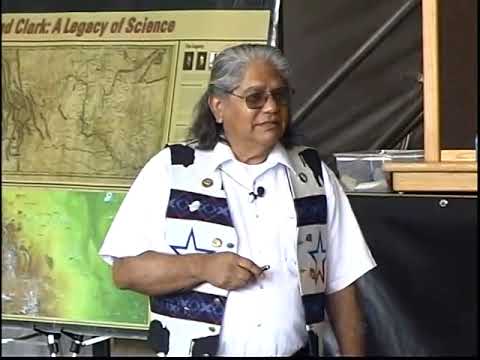
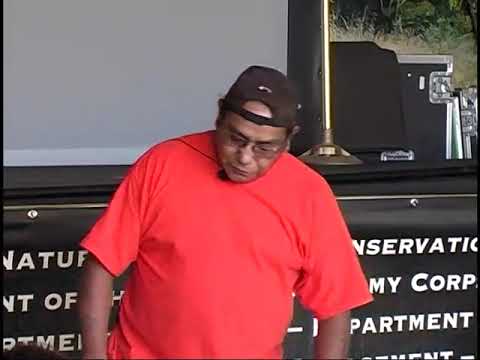
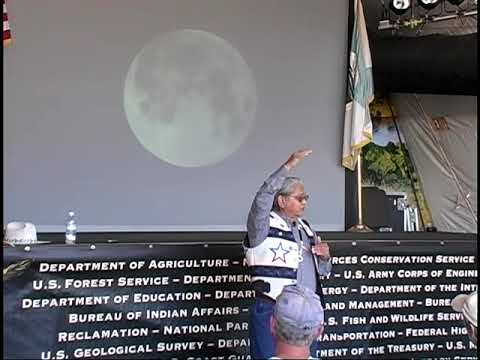
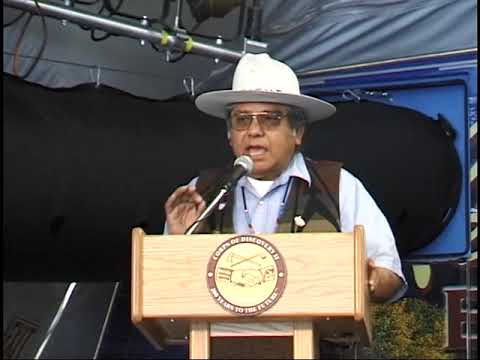
Tent of Many Voices (23)
 21:18
21:18
 27:04
27:04
 38:19
38:19
 42:53
42:53
 14:49
14:49
 50:08
50:08
 17:50
17:50
 62:42
62:42
 47:26
47:26
 49:59
49:59
 48:35
48:35
 62:47
62:47
 51:17
51:17
 51:48
51:48
 17:32
17:32
 62:38
62:38
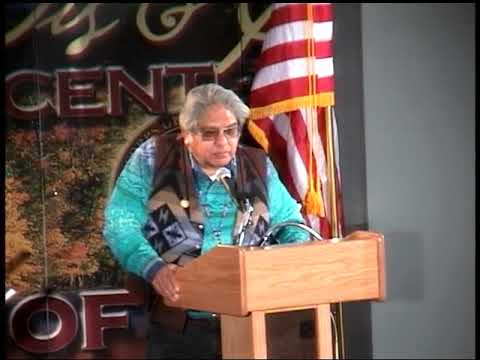 48:25
48:25
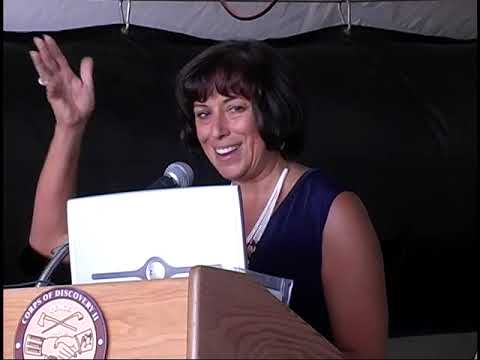 44:33
44:33
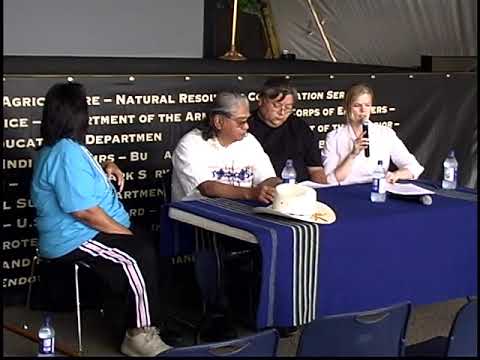 50:29
50:29
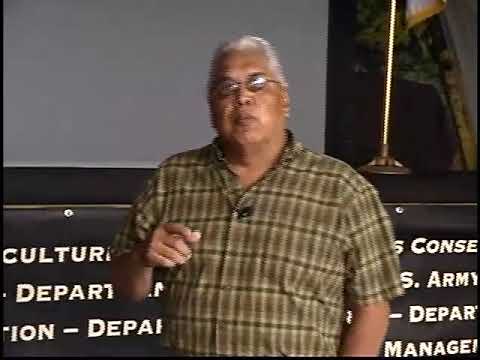 42:29
42:29
 42:25
42:25
 48:24
48:24
 48:17
48:17
Journal Entries (103)


Cross-Narrator Analyses
Analyses that cite or discuss Nez Perce — showing 24 of the most recent matches.
The Nez Perce (Chopunnish): Allies of the Bitterroot and Kooskooske
First Encounter at Weippe PrairieWhen Clark's advance party stumbled out of the Bitterroot Mountains in late September 1805 — half-starved, exhausted, and…
A Conic Mound of Stones: Four Voices on the Bitterroot Summit
The journals of June 27, 1806 offer an unusually clean specimen of how the Lewis and Clark expedition's four active diarists handled…
A Day of Waiting at Weippe: Four Pens on Hunger, Fish, and Lost Horses
Stalled at Weippe Prairie waiting for Nez Perce guides who could lead them across the Bitterroots, the Corps of Discovery spent June…
Camas in Bloom and the Mirror of the Captains’ Journals
The journal entries from June 12, 1806, written while the Corps of Discovery waited at their camp on the eastern edge of…
Crossing the Koos-koos-ke: Bears, Horse Surgery, and a Six-Thumbed Trophy
May 14–15, 1806 at Camp Chopunnish on the Koos-koos-ke: four pens on the crossing, bear hunts, Nez Perce horse surgery, stone cookery,…
Diplomacy, Roots, and a Yankee Phrase: Four Voices at Camp Chopunnish
The journals of June 6, 1806, written from Camp Chopunnish on the Kooskooske while the expedition awaited the melting of snow in…
Eagles, Footraces, and a Falling River: Four Voices on the Eve of Departure
June 9, 1806, found the Corps of Discovery at Camp Chopunnish on the Clearwater (which Lewis and Clark called the Kooskooske or…
Eight Deer, One Trade, and a Census of Nations
This analysis was generated with AI assistance and reviewed by a human editor.Stalled at the foot of the Bitterroots after their failed…
Eight Deer, Three Bear, and a Pocketful of Beads at Weippe Prairie
Stalled at Weippe Prairie awaiting Nez Perce guides who would lead them back over the Bitterroots, the Corps of Discovery spent June…
Fir Trees Aflame: Four Accounts of a Single Day on Hungry Creek
The expedition's June 25, 1806 entries offer a striking case study in how four men sharing the same camp produced four very…
Foot Races, Fiddles, and a Warning About the Mountains
The expedition's Sunday at Camp Chopunnish, the so-called Long Camp on the Clearwater, was outwardly unremarkable: a hunter returned empty-handed, visitors arrived…
Four Camps, Four Worlds: A Continental Divide of Experience on the Yellowstone and Marias
By late July 1806, the Lewis and Clark expedition had fractured into multiple detachments scouting separate river systems. The journal entries of…
Four Pens at Camp Chopunnish: Trade Errands, a Gift Horse, and a Naturalist’s Eye
The entries for June 7, 1806, written from Camp Chopunnish on the Clearwater (which Lewis and Clark call the Flat Head river),…
Four Pens at the Quamash Flats: Botany, Brevity, and the Shadow of the Mountains
The expedition's return to the Quamash Flats — the prairie where they had first encountered the Chopunnish (Nez Perce) the previous autumn…
Four Pens at Travelers’ Rest: Dividing the Corps for the Homeward Reconnaissance
The first of July 1806 found the Corps of Discovery encamped at Travelers' Rest on the western flank of the Bitterroots, preparing…
Four Pens, One Bear: Diverging Registers at the Weippe Camp
Stalled at the Weippe Prairie camp while waiting for Nez Perce guides willing to lead them across the still-snowbound Bitterroots, the four…
Four Pens, One Reunion: Converging Accounts at Fish Creek
The journals of June 24, 1806 capture a single logistical event — the reuniting of a forward detachment under Sergeant Gass with…
Parting at Travelers’ Rest: Four Voices on a Divided Fourth of July
July 4, 1806, marked one of the more consequential days of the return journey: at Travelers' Rest in the Bitterroot Valley, the…
Parting at Travelers’ Rest: Four Voices on a Pivotal Division
July 3, 1806 marked a tactical decision: the deliberate division of the Corps into two parties at Travelers' Rest, with Captain Lewis…
Potts’s Wound and a Rifle for a Guide: Retreat from the Bitterroots
The entries for June 18, 1806 capture the Corps of Discovery in retreat after their first attempt to recross the Bitterroots had…
Quamash in Bloom: Four Views from a Camas Flat at the Foot of the Bitterroots
Stalled below the snowpack of the Bitterroot crossing, the Corps spent June 11, 1806, encamped on a camas flat that all four…
Retracing Steps to the Quamash Flats: Mortification and Unexpected Aid
The entries of June 21, 1806 capture a rare moment of tactical retreat for the Corps of Discovery. Having attempted the Lolo…
Retrograde March: Four Voices on the Bitterroot Snow Wall
The decision to abandon the first attempt on the Bitterroot crossing produced one of the expedition's most revealing multi-narrator moments. All four…
Securing Guides at Weippe: Four Voices on a Pivotal Decision
The expedition's June 23, 1806 entries capture a single contingency plan from four vantage points: the two captains drafting nearly identical command-level…
From the Heacock Memorial Archive
5 lewis-clark.org articles that mention Nez Perce, preserved here for Robert Heacock’s photography. The articles were written by that site’s contributing authors.
Your Nation, your story
Are you a representative or member of this Nation? Help us tell this story accurately: review how your Nation is represented, correct the record, or contribute materials and perspective.


