
Patrick Gass
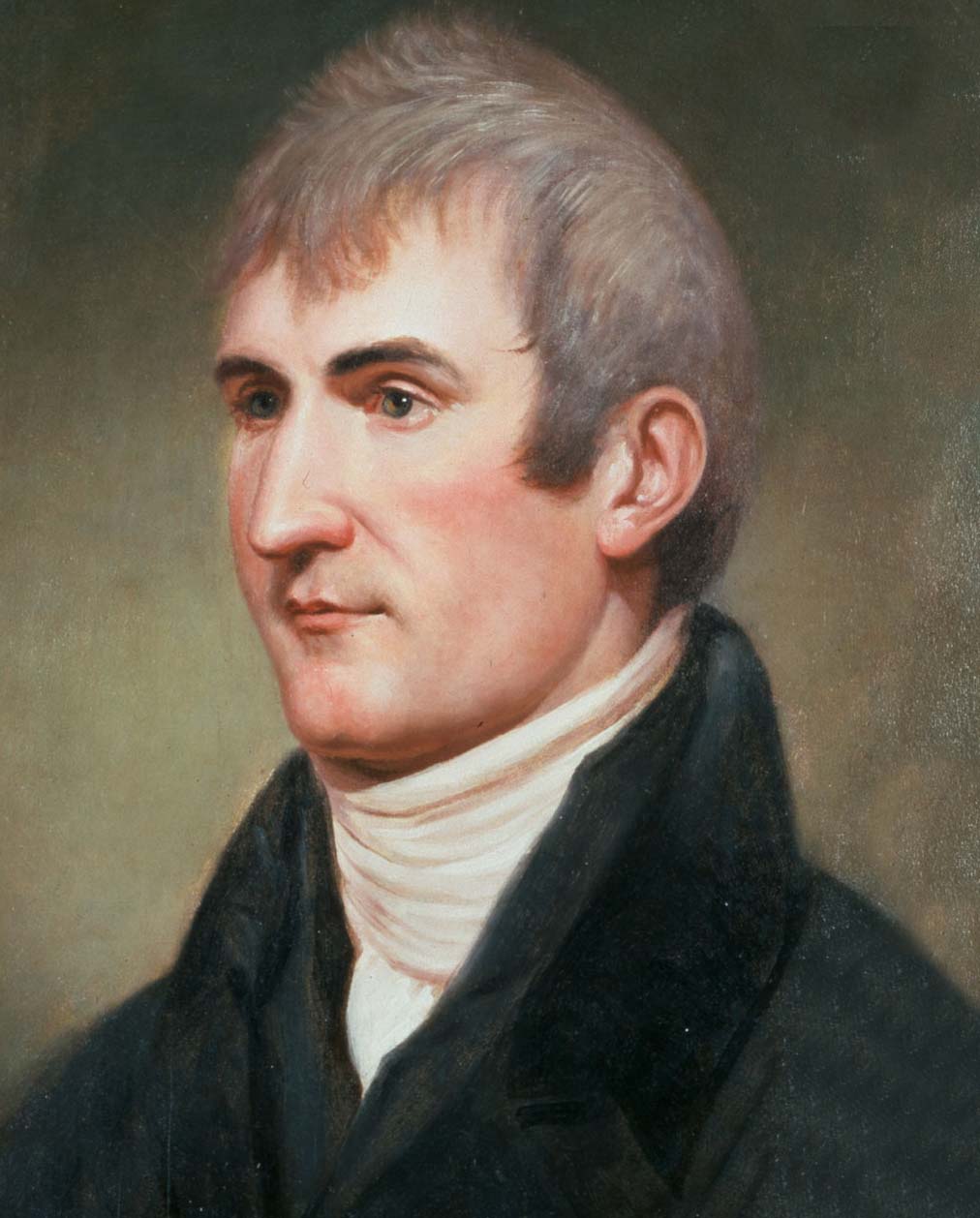
Patrick Gass was an Irish-born American soldier who served as a sergeant in the Corps of Discovery after being elected by his fellow soldiers to replace the deceased Sergeant Charles Floyd. An experienced carpenter, Gass supervised the construction of Fort Mandan and Fort Clatsop, the expedition's two winter quarters. His journal, published in 1807, was the first published account of the Lewis and Clark Expedition, appearing seven years before the official Biddle edition. Gass was the last surviving member of the expedition, dying in 1870 at the remarkable age of 99.
Portrait: Centennial History of Oregon, Public Domain
Related Locations
Note: the longest gap between tagged appearances is about 5 months (Oct 28, 1804 → Apr 8, 1805). Patrick Gass may have been present in the corps during that span but is not named in the journals.
Journal Entries (732)
Wildlife (1)
Documents (1)


Cross-Narrator Analyses
Analyses that cite or discuss Patrick Gass — showing 24 of the most recent matches.
A Beaver, a Bear, and a Bleeding Newfoundland: Three Sergeants on the Missouri
The journal entries for May 19, 1805, offer a textbook case of how the enlisted journalists of the Corps of Discovery cross-pollinated…
A Belt of Blue Beads for a Sea Otter Robe
The journals of Patrick Gass and William Clark for November 20, 1805, describe the same camp on the south shore of the…
A Belt of Blue Beads for a Sea-Otter Robe
The entries for November 21, 1805, find the Corps wind-bound on the south shore of the Columbia estuary, unable to begin the…
A Bighorn Skin and a Broken Cord: Four Views of the Cascades Portage
The entries of April 10, 1806, find the Corps of Discovery laboring up the rapids below the Upper Cascades of the Columbia,…
A Birth at Fort Mandan, A Hunt on the Prairie: Divergent Lenses on February 11, 1805
February 11, 1805, at Fort Mandan. Two published journals in this corpus record the day: Meriwether Lewis and John Ordway. Patrick Gass…
A Boat That Rocked Like Medicine: Four Accounts of a Tense Teton Farewell
The entries for September 30, 1804 capture a single sequence of events — a lone Indian overtaking the boat, a riverside encounter…
A Boy’s Toes and a Hunter’s Pleurisy: Three Voices at Fort Mandan
The journal entries for January 31, 1805 offer an unusually clear demonstration of how rank, role, and writerly purpose shaped what each…
A British Musket on the Columbia: Three Views of a Wind-Bound Day
The expedition's progress on October 28, 1805, was halted within a few miles of starting. After loading canoes at sunrise and proceeding…
A Broken Mast and a Country Skipping with Deer
One River, Five MeasurementsThe day's central geographic event — passing the mouth of the Petite Platte (Little Shoal River) about ten miles…
A Broken Rudder, a Fortified Lodge, and Buffalo That Will Not Move
The Rudder and the Late StartEvery narrator opens with the same delay. The red pirogue's rudder irons, broken landing the previous evening,…
A Broken Voyage, a White Bear Skin, and a Missing Sergeant: Four Voices at Camp Chopunnish
The journal entries dated June 1, 1806 offer an unusual structural puzzle for readers of the expedition record. Three of the four…
A Buffalo in the Camp: Two Sergeants Recount a Near Disaster on the Missouri
The journal entries for May 29, 1805, offer a rare opportunity to compare two enlisted-man accounts of the same chaotic night and…
A Bull Snake, a Lost Knife, and a River Eating Itself
One Day, Five Pens, Five PrioritiesAugust 5, 1804 produces an unusually clear demonstration of how differently the expedition's narrators allocated attention. The…
A Cache, a Departure, and Two Patients on the Marias
The June 11 entries divide cleanly along a geographic seam. Lewis is gone — he set out at 8 A.M. with Drouillard,…
A Call to Arms at Fort Mandan: Three Accounts of the Sioux Raid Response
On 30 November 1804, the newly established garrison at Fort Mandan faced its first diplomatic-military test. A Mandan messenger crossed the half-frozen…
A Camp Divides: Lewis’s Cache and Clark’s Reconnaissance
August 20, 1805 is the first full day in which the captains' journals describe geographically separated activities, and the enlisted-men narrators line…
A Canoe Lost, a Chief Recovering: Four Voices from Camp Chopunnish
The journal entries for May 30, 1806, written from Camp Chopunnish on the Clearwater River, offer an unusually clean opportunity to compare…
A Canoe on the Rocks: Three Accounts of an October Wreck on the Snake
The wreck of a stern canoe in a Snake River rapid below the Palouse confluence produced one of the more vivid clusters…
A Canoe Sunk on the Rapid: Three Voices on the Wreck of October 8th
The wreck of Sergeant Patrick Gass's canoe in a rapid below the Clearwater encampment of October 8, 1805, is one of the…
A Captain Alone, A Crew Lamed: Convergence on the Jefferson
The entries for July 31, 1805 capture a moment of mild crisis on the Jefferson River: Captain Lewis, having pressed ahead the…
A Carrot of Tobacco and a Drawn Sword: Four Accounts of the Teton Standoff
September 28, 1804, below the Teton villages near present Pierre. The keelboat's anchor was lost in the sand the night before. When…
A Cheyenne Pipe at Fort Mandan: Three Registers of a Diplomatic Visit
The visit of four Cheyenne ("Shar-ha" / "Chien" / "Shian") emissaries to Fort Mandan, accompanying chiefs of the lower Mandan village, is…
A Coal Bank, a Creek of Many Names, and a Missing Flanking Party
The journals for June 25, 1804 cover a short stretch of the Missouri above Arrow Rock, with the party detained by fog…
A Cold Hunt Down River: Three Accounts of Clark’s Buffalo Search
The hunting expedition Captain William Clark led from Fort Mandan on December 14, 1804 produced three surviving accounts—one from Clark himself and…
From the Heacock Memorial Archive
4 lewis-clark.org articles that mention Patrick Gass, preserved here for Robert Heacock’s photography. The articles were written by that site’s contributing authors.
Researcher or educator?
Get help using the archive in your work, suggest sources we should include, or talk with us about collaboration and classroom use.


