The same day, in every journal that recorded it.
For dates when two or more expedition journalists were writing, this database compares what each preserved. Analyses are drafted from the cited journal entries, then checked against the quoted text. They sit beside the primary record — they do not replace Gary Moulton’s edition, or reading the journals themselves.

The Silence of Meriwether Lewis: What Clark and the Sergeants Preserved, August 1805–January 1806
Among the unresolved mysteries of the Lewis and Clark Expedition, none is more consequential to the historical record than Meriwether Lewis's prolonged silence after August 26, 1805, until he opened Codex J on January 1, 1806. During this stretch —…
Read the analysisFeatured analyses
A curated mix — thematic essays, per-figure deep dives, and rich multi-narrator dates.
Sacagawea: The Shoshone Interpreter of the Corps of Discovery
Recruitment at Fort MandanSacagawea entered the expedition record indirectly, through her husband. On November 4, 1804, Clark’s journal for that day records that "A Mr. Chaubonee interpreter for…
Cameahwait: The Lemhi Shoshone Chief Who Traded Horses
First Contact in the MountainsCameahwait — chief of a band of Lemhi Shoshone encountered west of the Continental Divide in August 1805 — became, in the span of…
Summer on One Slope, Winter on the Other: Four Voices on the Bitterroot Snow
The entries of June 28, 1806 offer one of the clearest demonstrations in the expedition record of how four men, camped together on the same southern-facing slope above…
Three Voices at the Big Bend: Hunting, Geography, and a Captain’s Relapse
The entries of Patrick Gass, John Ordway, and William Clark for August 27, 1806, all describe the same stretch of the Missouri: the Corps' rapid descent past the…

Anchovies, Ailments, and the Catalogue of Coastal Birds
The sixth of March 1806 finds the Corps of Discovery in a state of careful preparation at Fort Clatsop. Provisions are exhausted, hunters are dispatched in every direction,…
Brains, Ashes, and Bulbs: Parallel Pens at Fort Clatsop
The entries of January 23, 1806 offer an unusually clean specimen of the textual relationship among the Fort Clatsop journalists. Patrick Gass produces a two-sentence weather note; William…

Four Pens at Camp Chopunnish: Trade Errands, a Gift Horse, and a Naturalist’s Eye
The entries for June 7, 1806, written from Camp Chopunnish on the Clearwater (which Lewis and Clark call the Flat Head river), illustrate how a single day's events…

Reuniting at the Portage: Five Voices Map an Obstacle
The expedition's two halves rejoined on June 16, 1805, near the foot of the Great Falls of the Missouri. Lewis returned downriver from his reconnaissance with roughly six…
Thematic essays
Long-form analyses that cut across many dates — diet, illness, language, weather, copying patterns, naming conventions.
Diet Across the Expedition: A Seasonal Analysis
What the journals actually feed the partyAn earlier version of this page said the diet essay could not be written because no…
The Silence of Meriwether Lewis: What Clark and the Sergeants Preserved, August 1805–January 1806
Among the unresolved mysteries of the Lewis and Clark Expedition, none is more consequential to the historical record than Meriwether Lewis's prolonged…
Shadowing the Sergeant: How Joseph Whitehouse Copied — and Quietly Expanded — John Ordway’s Journal
Among the enlisted journalists of the Corps of Discovery, Sergeant John Ordway and Private Joseph Whitehouse have long been recognized as textually…
Per-narrator studies
One essay for each expedition diarist — their distinctive voice, omissions, recurring themes, and how their writing evolved.
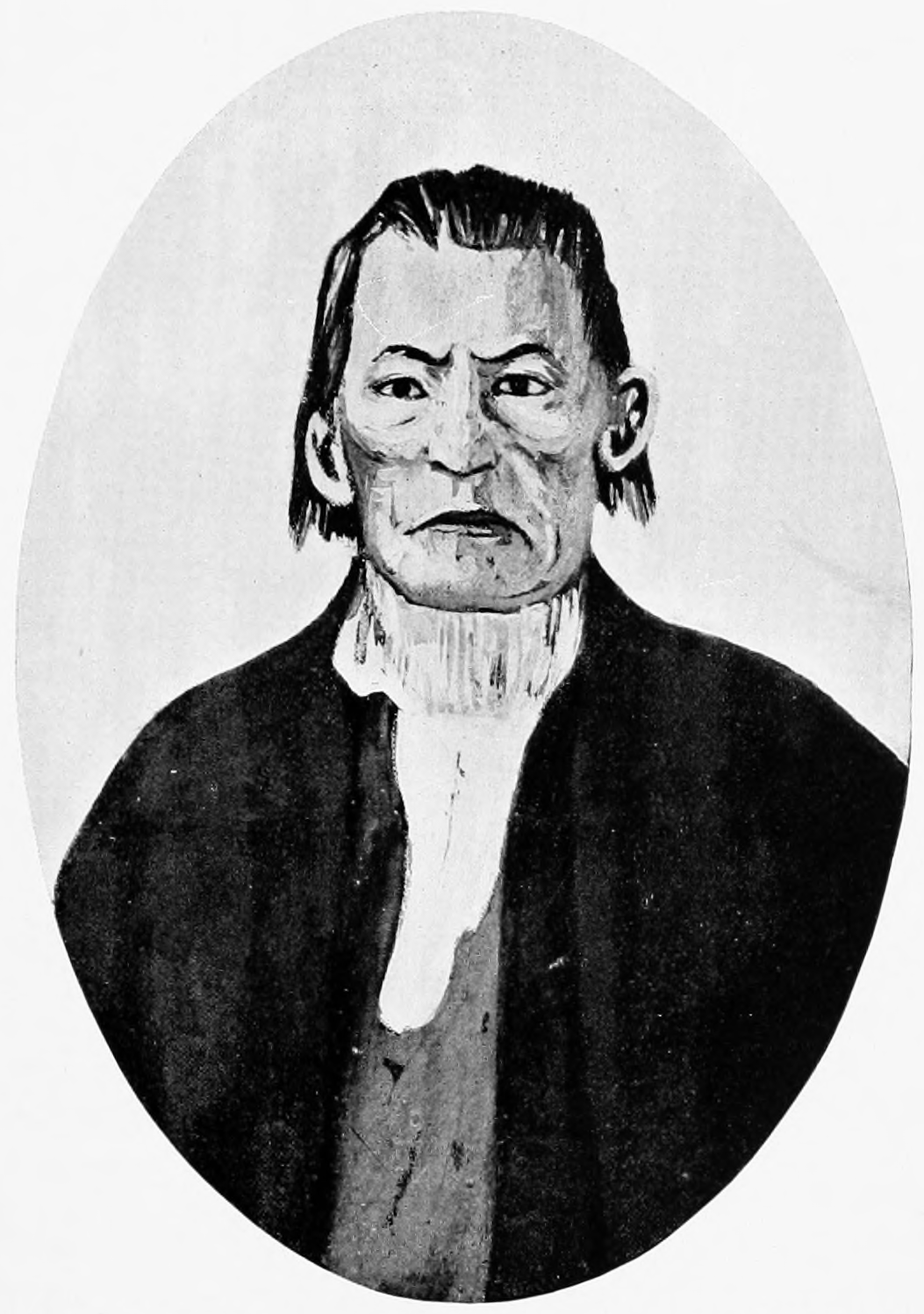
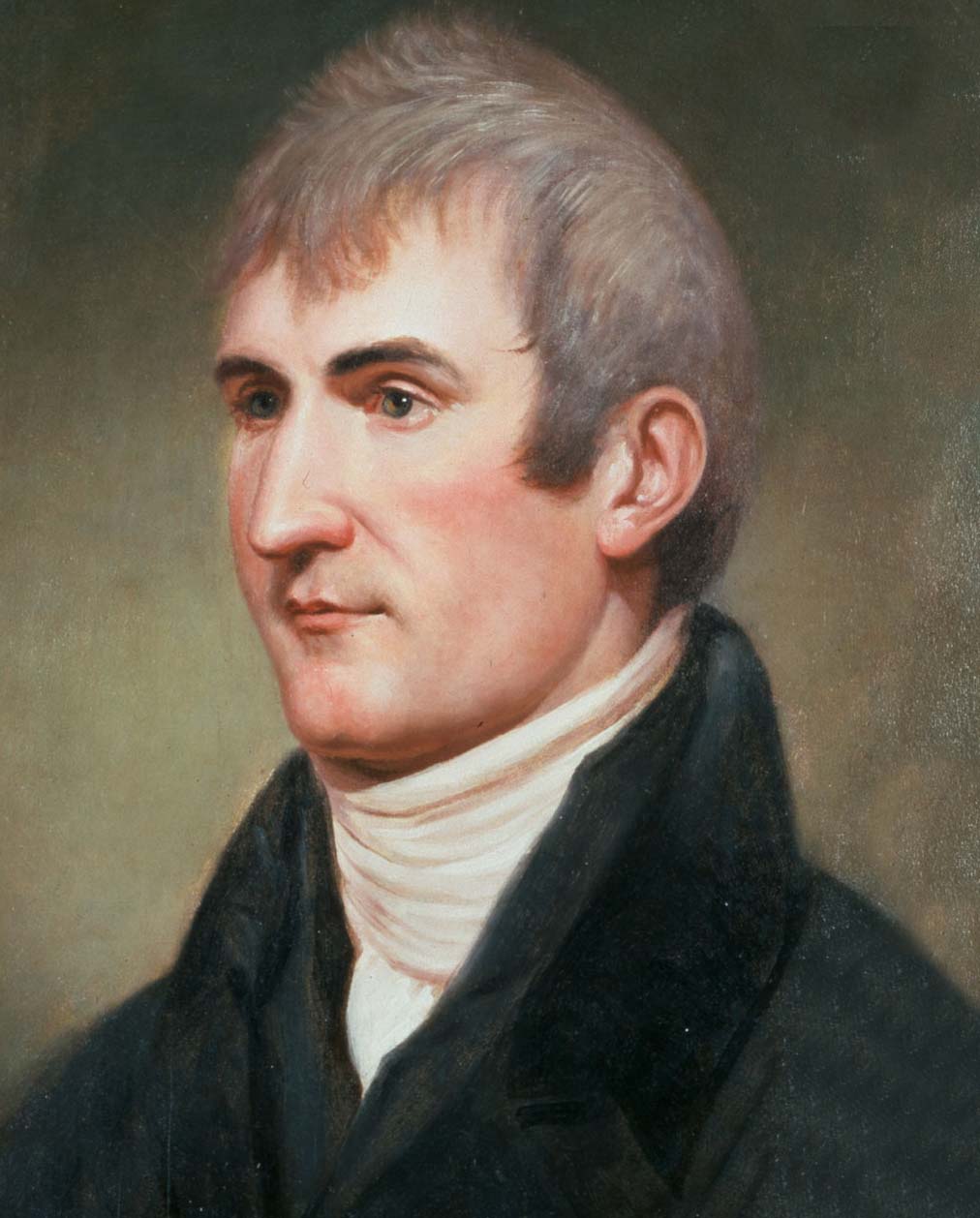

Key figure profiles
Biographical syntheses drawn from journal entries that mention each person or nation.
Auguste Chouteau: St. Louis Patron of the Corps of Discovery
IntroductionAuguste Chouteau (1749–1829), co-founder of St. Louis and patriarch of its dominant mercantile family, is woven throughout the Lewis and Clark journals…
Cameahwait: The Lemhi Shoshone Chief Who Traded Horses
First Contact in the MountainsCameahwait — chief of a band of Lemhi Shoshone encountered west of the Continental Divide in August 1805…
François Labiche: Hunter, Waterman, and Interpreter of the Corps of Discovery
IntroductionFrançois Labiche — variously spelled Labieche, Labiech, Labeech, and Labice in the journals — was an enlisted private of the permanent party…
George Catlin in the Lewis & Clark Journal Record
A Note on SourcesGeorge Catlin (1796–1872) is not mentioned in any entry of the Lewis and Clark journals. The dataset underlying this…
George Drouillard: Hunter, Interpreter, and Sign-Talker of the Corps
IntroductionNo member of the Corps of Discovery save the captains themselves appears more frequently in the journals than George Drouillard — variously…
George Shannon: The Youngest Soldier of the Corps of Discovery
IntroductionGeorge Shannon was, at roughly eighteen years of age, the youngest enlisted member of the permanent party of the Corps of Discovery.…
Hugh McNeal: A Private’s Long March
Enlistment and Mess AssignmentHugh McNeal first appears in the expedition record on May 26, 1804, when Captain Lewis issued detachment orders organizing…
Jean Baptiste Charbonneau: The Infant Traveler of the Corps of Discovery
Birth at Fort MandanJean Baptiste Charbonneau entered the expedition record on February 11, 1805, when his mother Sacagawea gave birth at Fort…
John Colter: The Hunter Who Walked Away From Home
Enlistment and First Mess AssignmentJohn Colter first appears in the official record on May 26, 1804, when Meriwether Lewis issued detachment orders…
John Shields: The Expedition’s Blacksmith and Gunsmith
An Older Hand Among Young SoldiersJohn Shields was, at thirty-four when the expedition departed, the oldest enlisted man in the permanent party…
Ninian Edwards in the Lewis & Clark Journals: A Figure at the Margins of the Record
A Note on SourcesThe corpus of journal entries supplied for this synthesis contains zero references to Ninian Edwards. No narrator — not…
Old Toby: The Shoshone Guide Through the Bitterroots
A Note on the Source RecordThe two journal entries provided for this synthesis (dated September 4 and September 16, 1805) do not…
Browse by date
859 date-bound analyses, in chronological order.
How these analyses are written
Each analysis is drafted from the primary-source journal entries cited on the page, then checked against the quoted journal text. The comparison is machine-assisted. It is not a substitute for the journals, or for Gary Moulton’s thirteen-volume edition. Date essays compare journalists who wrote on the same day. Thematic and figure essays only hold when those citations are real journal text — not later histories, and not editorial summaries.


