 360° capture 1.4 mi away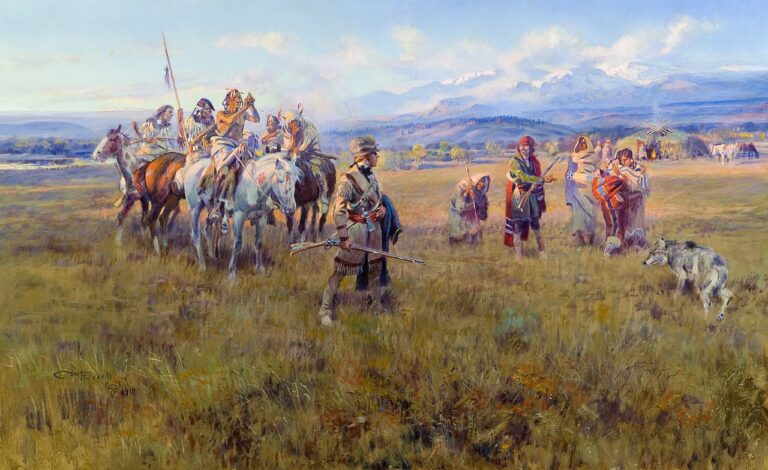
Nation / Tribe
Shoshone
The broader Shoshone nation encompassed multiple groups of Numic-speaking peoples spread across a vast territory from the Rocky Mountains to the Great Basin, including the Wind River Shoshone (Eastern) and various Northern Shoshone bands in present-day Idaho, Wyoming, and Montana. Lewis and Clark's planning relied heavily on the expectation that the Shoshone would possess the horses needed to cross the Continental Divide, a calculation that proved correct when they reached the Lemhi band in August 1805. The Shoshone had once ranged freely onto the northern Plains for bison hunting but had been pushed westward into the mountains by Blackfeet and Hidatsa raiders who possessed firearms obtained through the Canadian fur trade. The expedition's journals document Shoshone material culture, subsistence strategies in a challenging mountain environment, and the acute military disadvantage faced by peoples without access to Euro-American weaponry.
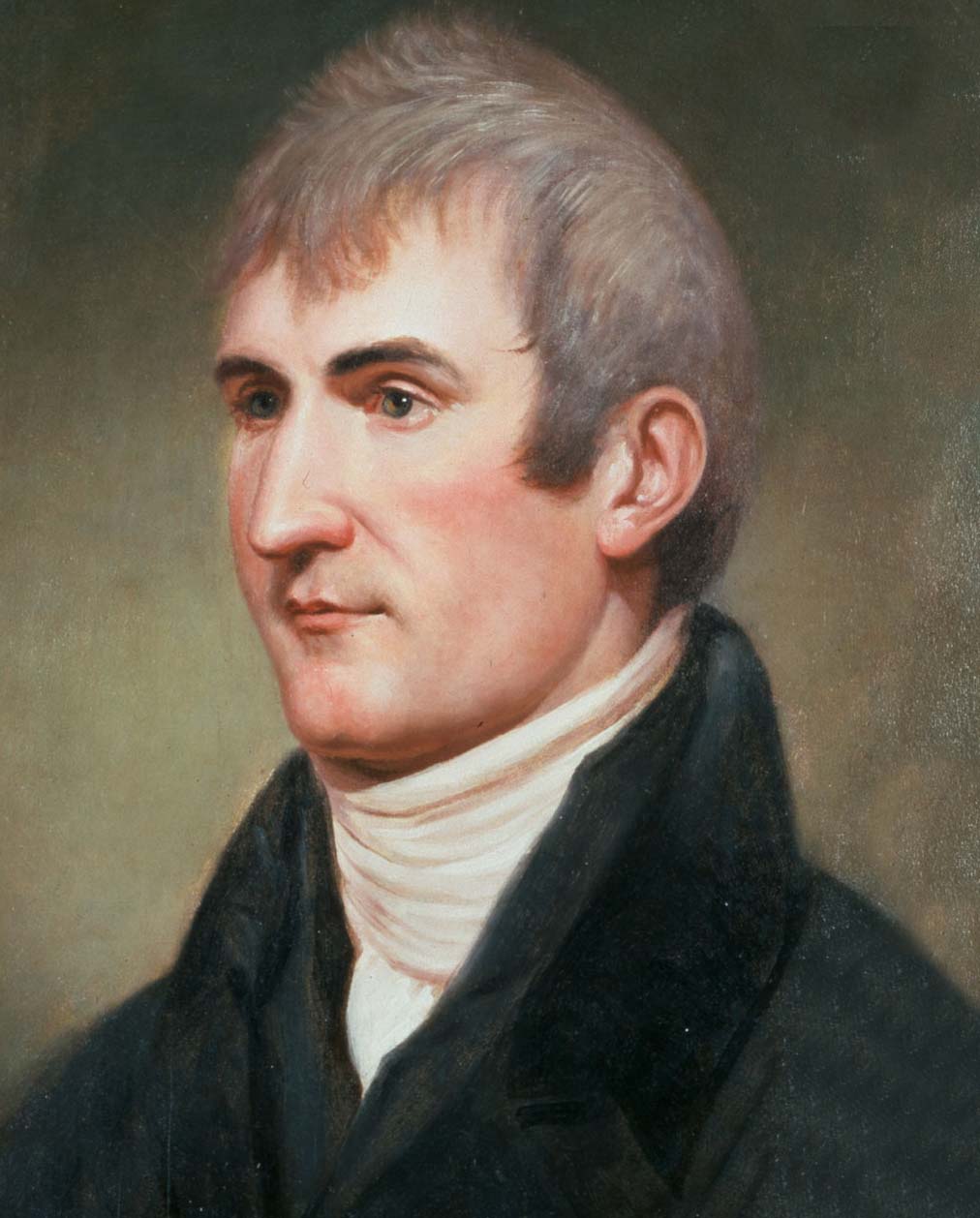
Portrait: Wikimedia Commons via Lewis and Clark Reach Shoshone Camp
10 treaties
185 total items
166 mapped locations
Most Mentioned in Shoshone-tagged Entries
People
- Drouillard (48)
- Capt. Lewis (43)
- Capt. Clark (31)
- Charbonneau (16)
- Nathaniel Pryor (14)
- Joseph Field (13)
- Colter (12)
- Shields (11)
- Cameahwait (10)
- Shannon (10)
Places
- Missouri River (48)
- Columbia River (33)
- Rocky Mountains (31)
- Snake River (22)
- Bitterroot River (9)
- Clearwater River (8)
- Fort Mandan (7)
- Jefferson River (7)
- St. Louis (6)
- Fort Clatsop (6)
Biography
The Shoshone (also known as the Snake Indians) occupied territory in the northern Rocky Mountains and the Snake River plains. The expedition’s encounter with the Lemhi Shoshone band in August 1805 was one of the journey’s most consequential events.
The captains knew they needed Shoshone horses to cross the Rocky Mountains — this was one reason they valued Sacagawea’s linguistic abilities. When Lewis finally made contact with Cameahwait’s band and Sacagawea discovered the chief was her brother, the diplomatic breakthrough ensured the expedition received the horses and guides they desperately needed.
The Shoshone were a horse-rich but gun-poor people, frequently raided by the better-armed Blackfeet and Hidatsa. They eagerly sought the trade relationship the expedition promised, though the hoped-for American trading posts were slow to materialize.
Territory & Encounter Locations
Pin color =
Planning (1801–1804)
Westward (1804–1805)
Fort Clatsop (1805–1806)
Return (1806)
Post (1806–1812)
Master expedition route
Approximate territory
Note: the longest gap between tagged appearances is about 5 months (Nov 11, 1804 → Apr 8, 1805). No journal entries during that window were explicitly tagged with this nation.
Treaties (10)
Agreement with the Shoshone and Bannock of Fort Hall, 1898 (ratified 1900)
Agreement with the Shoshone and Bannock, 1873 (unratified)
Executive Order, 1873 (Coeur d’Alène Reservation; unratified agreement of July 28, 1873)
Executive Order, 1875 (Lemhi Valley Reserve: Shoshone, Bannock, Sheepeater)
Treaty with the Bannock and Shoshoni, 1868
Treaty with the Boise Shoshone, 1864 (Fort Boise, unratified)
Treaty with the Bruneau Shoshone, 1866 (unratified)
Treaty with the Eastern Shoshone Tribe of the Wind River Reservation, 1863
Treaty with the Eastern Shoshone Tribe of the Wind River Reservation, 1868
Treaty with the Shoshoni (Western bands), 1863
Tent of Many Voices (11)
 41:55
41:55
Bev Hines on Sacagawea: Myths, History, and the Expedition
 62:42
62:42
Native perspectives on Lewis and Clark expedition language and terminology
 38:39
38:39
Ron Snake: Shoshone Language, Culture, and Lewis & Clark Legacy
 49:59
49:59
York’s Account of the Lewis and Clark Expedition
 46:09
46:09
Carolyn Gilman on Lewis and Clark gifts and diplomacy
 32:09
32:09
George Washington Hill: Missionary and Friend to the Shoshone
 45:11
45:11
Joyce Badgley Hunsucker: Sacagawea’s Life and the Lewis and Clark Expedition
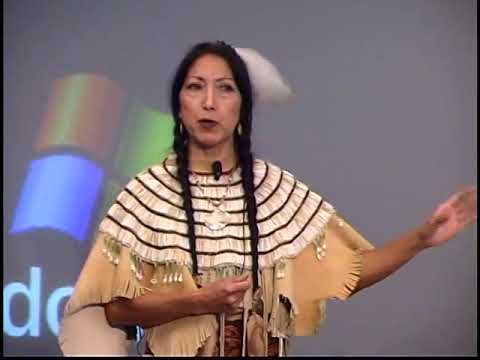 51:15
51:15
Amy Mossett on Sacagawea’s Life and Legacy
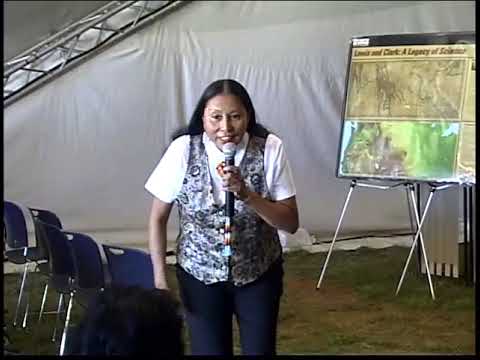 3:17
3:17
Shoshone ancestry, Sacajawea, and the Lewis and Clark Expedition
 48:15
48:15
Shoshone Elder on Sacagawea’s Name, Language, and Legacy
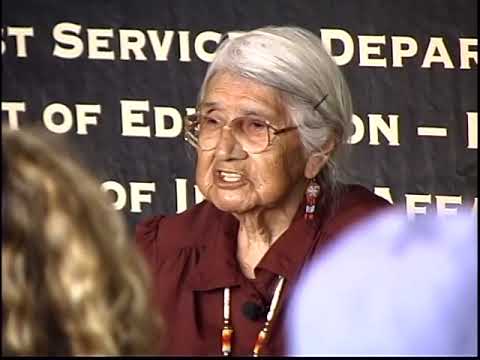 49:52
49:52
Lois Tyler Nava and John Mann on Lemhi Shoshone Identity and Homeland
Journal Entries (164)
Great Falls Portage — Joseph Whitehouse: June 28, 1805
Missouri River through Kansas-Missouri area — Patrick Gass: September 18, 1806
Camp Chopunnish (Long Camp), waiting for snow to melt — Patrick Gass: June 2, 1806
Camp Chopunnish (Long Camp), waiting for snow to melt — Patrick Gass: May 15, 1806
Nez Perce camps, reuniting with horses — Patrick Gass: May 6, 1806
Overland to Walla Walla, council with Yelleppit — Patrick Gass: April 21, 1806
Lolo Trail, ascending into Bitterroot Mountains — Patrick Gass: September 13, 1805
Exploring for winter camp site, south shore of Columbia — Patrick Gass: November 17, 1805
Departure from Fort Mandan, Missouri River — Patrick Gass: April 8, 1805
Camp Chopunnish (Long Camp), waiting for snow to melt — John Ordway: June 6, 1806
Camp Chopunnish (Long Camp), waiting for snow to melt — John Ordway: May 29, 1806
Nez Perce camps, reuniting with horses — John Ordway: May 8, 1806
Nez Perce camps, reuniting with horses — John Ordway: May 5, 1806
Travelers’ Rest near present-day Lolo, MT — John Ordway: September 10, 1805
Camp Fortunate, Sacagawea reunites with Cameahwait — John Ordway: August 24, 1805
John Ordway: August 17, 1805
Camp Fortunate, Sacagawea reunites with Cameahwait — John Ordway: August 22, 1805
Jefferson/Beaverhead River near present-day Dillon — John Ordway: August 10, 1805
Great Falls Portage — John Ordway: June 25, 1805
Great Falls Portage — John Ordway: June 26, 1805
Departure from Fort Mandan, Missouri River — John Ordway: April 8, 1805
Fort Mandan (winter) — John Ordway: January 16, 1805
Fort Mandan, North Dakota — John Ordway: November 11, 1804
Building and occupying Fort Clatsop — Patrick Gass: December 22, 1805
Celilo Falls and The Dalles portage — Patrick Gass: October 22, 1805
Jefferson River ascending toward divide — Patrick Gass: August 1, 1805
Travelers’ Rest near present-day Lolo, MT — Joseph Whitehouse: September 10, 1805
Joseph Whitehouse: August 17, 1805
Camp Fortunate, Sacagawea reunites with Cameahwait — Joseph Whitehouse: August 22, 1805
Camp Fortunate, Sacagawea reunites with Cameahwait — Joseph Whitehouse: August 23, 1805
Jefferson/Beaverhead River near present-day Dillon — Joseph Whitehouse: August 9, 1805
Great Falls Portage — Joseph Whitehouse: July 7, 1805
Missouri River above Great Falls, Gates of the Mountains — Joseph Whitehouse: July 23, 1805
Three Forks of the Missouri — Joseph Whitehouse: July 27, 1805
Great Falls Portage — Joseph Whitehouse: June 27, 1805
Clark: August 21, 1806
Clark: August 15, 1806
Clark: August 16, 1806
Clark: August 3, 1806
Clark: July 18, 1806
Clark: July 14, 1806
Clark: July 11, 1806
Clark: July 8, 1806
Clark: July 7, 1806
Clark: July 5, 1806
Clark: July 4, 1806
Lewis: June 25, 1806
Clark: June 23, 1806
Clark: June 25, 1806
Lewis: June 20, 1806
Clark: June 20, 1806
Clark: June 4, 1806
Clark: June 6, 1806
Clark: May 31, 1806
Lewis: May 31, 1806
Lewis: May 24, 1806
Lewis: May 22, 1806
Clark: May 22, 1806
Clark: May 18, 1806
Lewis: May 18, 1806
Lewis: May 12, 1806
Clark: May 13, 1806
Lewis: May 13, 1806
Clark: May 11, 1806
Lewis: May 11, 1806
Clark: May 12, 1806
Lewis: May 8, 1806
Lewis: May 7, 1806
Clark: May 8, 1806
Lewis: May 5, 1806
Clark: May 6, 1806
Clark: May 7, 1806
Clark: May 5, 1806
Lewis: April 29, 1806
Lewis: April 28, 1806
Clark: April 29, 1806
Clark: April 20, 1806
Lewis: April 20, 1806
Lewis: April 18, 1806
Lewis: April 14, 1806
Clark: April 15, 1806
Lewis: April 15, 1806
Clark: April 16, 1806
Clark: April 14, 1806
Lewis: April 3, 1806
Lewis: March 29, 1806
Clark: March 28, 1806
Lewis: March 28, 1806
Lewis: March 19, 1806
Clark: March 19, 1806
Lewis: February 15, 1806
Clark: February 14, 1806
Clark: February 15, 1806
Clark: February 2, 1806
Lewis: February 2, 1806
Clark: December 31, 1805
Clark: December 30, 1805
Clark: December 12, 1805
Clark: November 29, 1805
Clark: November 30, 1805
Clark: November 3, 1805
Clark: November 5, 1805
Clark: October 29, 1805
Clark: October 26, 1805
Clark: October 21, 1805
Clark: October 22, 1805
Clark: October 25, 1805
Clark: October 9, 1805
Clark: October 10, 1805
Clark: September 27, 1805
Clark: September 22, 1805
Clark: September 10, 1805
Lewis: September 10, 1805
Clark: September 5, 1805
Clark: September 6, 1805
Clark: August 29, 1805
Lewis: August 25, 1805
Lewis: August 26, 1805
Lewis: August 24, 1805
Lewis: August 20, 1805
Lewis: August 21, 1805
Lewis: August 19, 1805
Lewis: August 18, 1805
Lewis: August 13, 1805
Lewis: August 14, 1805
Lewis: August 15, 1805
Lewis: August 11, 1805
Clark: August 9, 1805
Lewis: August 1, 1805
Clark: July 31, 1805
Lewis: July 31, 1805
Lewis: July 27, 1805
Clark: July 22, 1805
Lewis: July 23, 1805
Lewis: July 24, 1805
Clark: July 16, 1805
Clark: July 18, 1805
Lewis: July 16, 1805
Lewis: July 18, 1805
Lewis: July 4, 1805
Lewis: June 30, 1805
Clark: June 20, 1805
Lewis: June 16, 1805
Lewis: May 20, 1805
Lewis: April 9, 1805
Clark: April 1, 1805
Clark: March 21, 1805
Lewis: March 16, 1805
Clark: March 11, 1805
Clark: February 28, 1805
Clark: February 1, 1805
Clark: January 16, 1805
Clark: November 12, 1804
Clark: October 29, 1804
Clark: October 17, 1804
Clark: August 8, 1804
Lewis: August 5, 1804
Clark: June 24, 1804
Clark: June 23, 1804
Clark: June 14, 1804
William Clark: July 25, 1806
Meriwether Lewis: July 28, 1805
Meriwether Lewis: August 17, 1805
William Clark: November 4, 1804
Where the journals place them
360° capture 1.4 mi away 
 360° capture 1.7 mi away


Cross-Narrator Analyses
Analyses that cite or discuss Shoshone — showing 24 of the most recent matches.
Figure: Shoshone
The Shoshone Nation: Sacagawea’s People and the Horse Trade
Introduction: A Nation Long AnticipatedLong before Lewis and Clark ever laid eyes on a Shoshone person, the nation loomed in the journals…
April 28, 1806
A Kettle Refused, a Sword Accepted: Four Voices at Yelleppit’s Camp
The 28th of April 1806 found the returning Corps of Discovery encamped near the mouth of the Walla Walla River, in extended…
July 7, 1806
Across the Divide: Two Parties, Two Stories on the Continental Crest
The journal entries of July 7, 1806 capture the Lewis and Clark Expedition at a moment of geographic and narrative bifurcation. Having…
May 14, 1806
Crossing the Koos-koos-ke: Bears, Horse Surgery, and a Six-Thumbed Trophy
May 14–15, 1806 at Camp Chopunnish on the Koos-koos-ke: four pens on the crossing, bear hunts, Nez Perce horse surgery, stone cookery,…
June 6, 1806
Diplomacy, Roots, and a Yankee Phrase: Four Voices at Camp Chopunnish
The journals of June 6, 1806, written from Camp Chopunnish on the Kooskooske while the expedition awaited the melting of snow in…
May 19, 1806
Eye-Water, Laudanum, and Cowse Roots: Four Pens at Camp Chopunnish
The 19th of May 1806 finds the Corps of Discovery encamped among the Nez Perce at Camp Chopunnish, waiting for the Bitterroot…
June 25, 1806
Fir Trees Aflame: Four Accounts of a Single Day on Hungry Creek
The expedition's June 25, 1806 entries offer a striking case study in how four men sharing the same camp produced four very…
April 18, 1806
Four Pens at the Long Narrows: Horse-Trading and a Game of Bones
April 18, 1806 finds the Corps of Discovery encamped at the basin below the Long Narrows of the Columbia, struggling to convert…
May 11, 1806
Four Pens, One Council: Diplomacy and Doctoring Among the Chopunnish
The 11th of May 1806 finds the Corps of Discovery encamped among the Chopunnish (Nez Perce), reclaiming horses left the previous autumn…
July 18, 1806
Four Rivers, Four Pens: The Divided Expedition Writes Itself
By mid-July 1806 the Corps of Discovery had fractured into detachments scattered across hundreds of miles of country. The journal entries for…
July 10, 1806
Frost, Mire, and Two Parties Diverging on the Jefferson
The entries for July 10, 1806 record a single hinge day in the Corps of Discovery's homeward journey, when the expedition was…
May 4, 1806
Lean Dogs and Lost Horses on Lewis’s River
The entries for May 4, 1806 offer an unusually clear view into how the expedition's journal-keepers worked. Lewis and Clark produce nearly…
May 15, 1806
One Bear, Many Colors: Naturalist Inquiry and Camp Life at the Long Camp
The entries of May 15, 1806, from Camp Chopunnish on the Kooskooskee (Clearwater) River offer an unusually clear demonstration of how the…
June 23, 1806
Securing Guides at Weippe: Four Voices on a Pivotal Decision
The expedition's June 23, 1806 entries capture a single contingency plan from four vantage points: the two captains drafting nearly identical command-level…
April 20, 1806
Stolen Tomahawks and Gambled Horses: Frustration at the Eneeshur Villages
The expedition's struggle to acquire horses from the Eneeshur and Skilloot peoples on April 20, 1806, produced a multi-narrator cluster of the…
May 5, 1806
The Puppy and the Physician: Three Voices on a Day Among the Chopunnish
The journal entries for May 5, 1806, offer an unusually rich case for cross-narrator comparison. Lewis, Clark, and Sergeant Ordway all describe…
May 24, 1806
The Sweat Hole at Camp Chopunnish: Four Voices on Frontier Medicine
The journals of May 24, 1806 offer an unusually rich opportunity to compare narrators, because all four diarists present at Camp Chopunnish…
March 19, 1806
Three Pens at Fort Clatsop: Weather, Gratitude, and an Ethnographic Set Piece
The entries for March 19, 1806 offer one of the clearest illustrations in the expedition record of how differently the three journal-keepers…
May 31, 1806
Two Bears, Two Pens: Naming Hoh-host and Yack-kah at Camp Chopunnish
The journals of May 31, 1806, written from Camp Chopunnish as the expedition waited for snow to clear from the Bitterroot passes,…
April 3, 1806
Two Camps, Two Rivers: Discovery and Hunger on the Columbia
The journal entries of April 3, 1806, capture the Lewis and Clark expedition operating on two fronts simultaneously. While Captain Clark concluded…
July 14, 1806
Two Camps, Two Worlds: Caching at the Falls While Clark Swamps Among Beaver Dams
By mid-July 1806, the expedition had split into detachments pursuing separate routes back across the continent. The journal entries for July 14…
June 4, 1806
Two Registers at Long Camp: Diplomacy and Deer on the Clearwater
The journal entries for June 4, 1806, offer a textbook case of how rank and role shaped what the four expedition diarists…
July 5, 1806
Two Trails Diverge: The Expedition Splits and the Journals Follow Suit
By July 5, 1806, the Corps of Discovery had divided. Meriwether Lewis was leading one party overland toward the Great Falls of…
Figure: Old Toby
Old Toby: The Shoshone Guide Through the Bitterroots
A Note on the Source RecordThe two journal entries provided for this synthesis (dated September 4 and September 16, 1805) do not…
From the Heacock Memorial Archive
5 lewis-clark.org articles that mention Shoshone, preserved here for Robert Heacock’s photography. The articles were written by that site’s contributing authors.
Your Nation, your story
Are you a representative or member of this Nation? Help us tell this story accurately: review how your Nation is represented, correct the record, or contribute materials and perspective.


