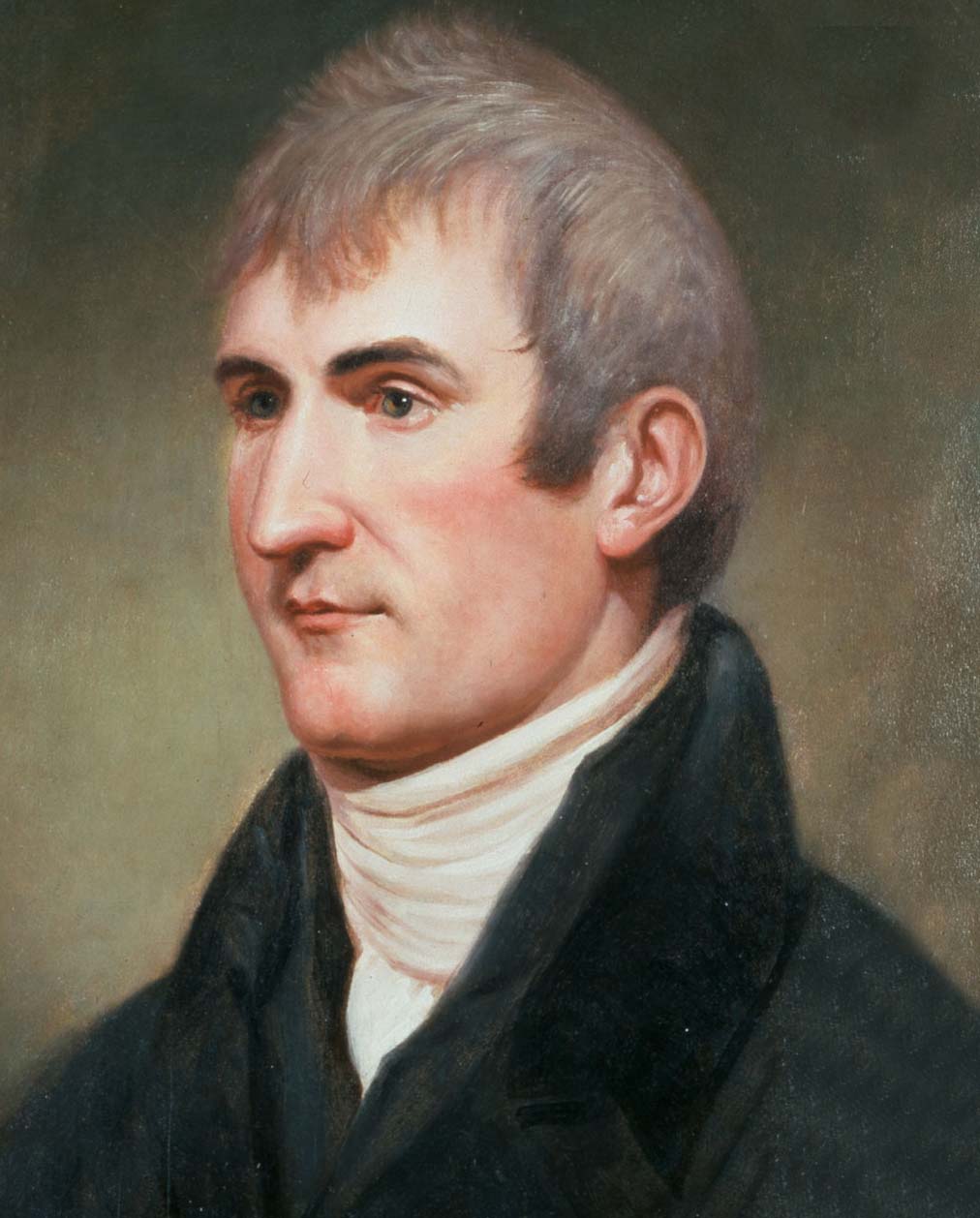
Meriwether Lewis
Meriwether Lewis (1774–1809) was an American explorer, soldier, and politician who served as the leader of the Lewis and Clark Expedition, also known as the Corps of Discovery, from 1804 to 1806. Appointed by President Thomas Jefferson as the expedition's commanding officer, Lewis was responsible for the scientific, diplomatic, and military objectives of the journey across the newly acquired Louisiana Territory to the Pacific Ocean. A skilled naturalist and keen observer, Lewis documented hundreds of plant and animal species previously unknown to Western science, maintained detailed journals of the expedition's encounters with Native American nations, and navigated the Corps through thousands of miles of uncharted wilderness. Before the expedition, Lewis served as Jefferson's private secretary at the White House, where the two planned the venture in detail. After returning as a national hero, Lewis was appointed Governor of Upper Louisiana Territory in 1807. He died under mysterious circumstances at Grinder's Stand, Tennessee, on October 11, 1809, at the age of 35 — his death remains one of American history's enduring mysteries, debated as either suicide or murder.
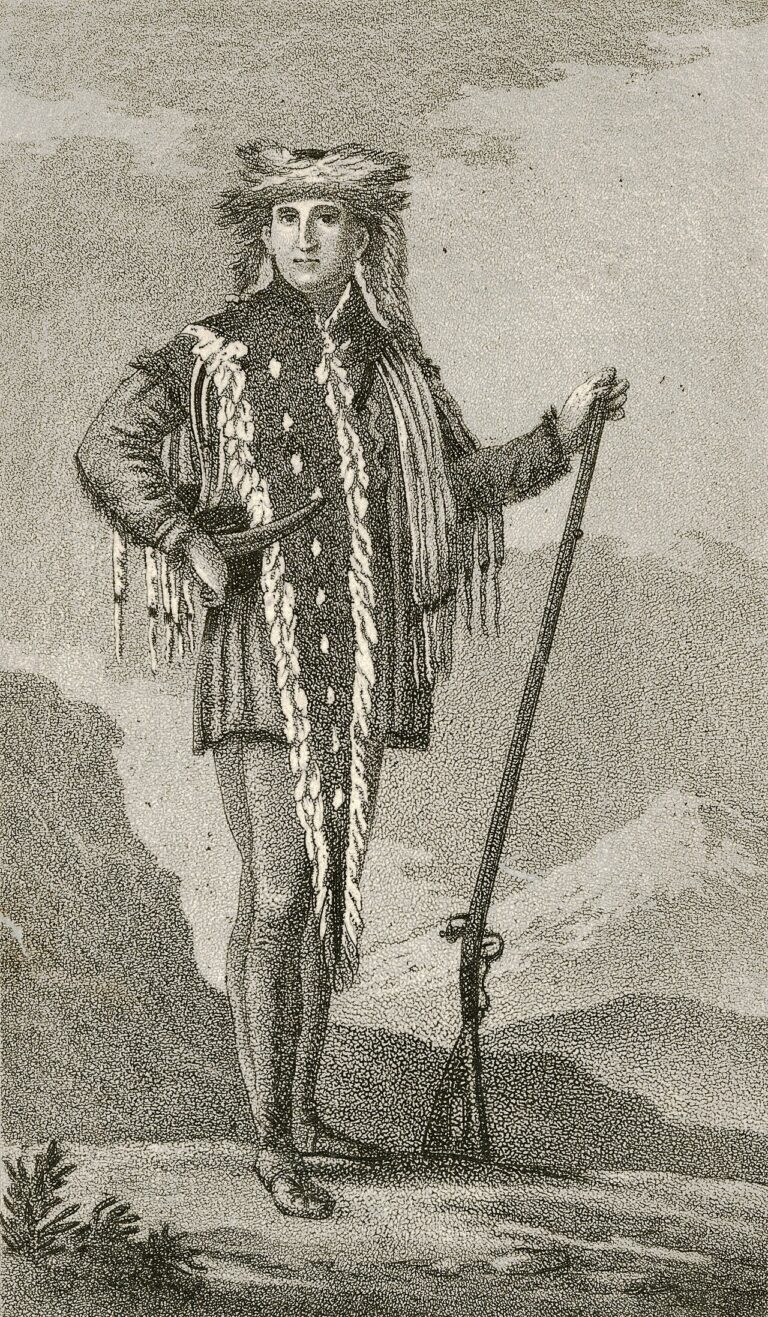
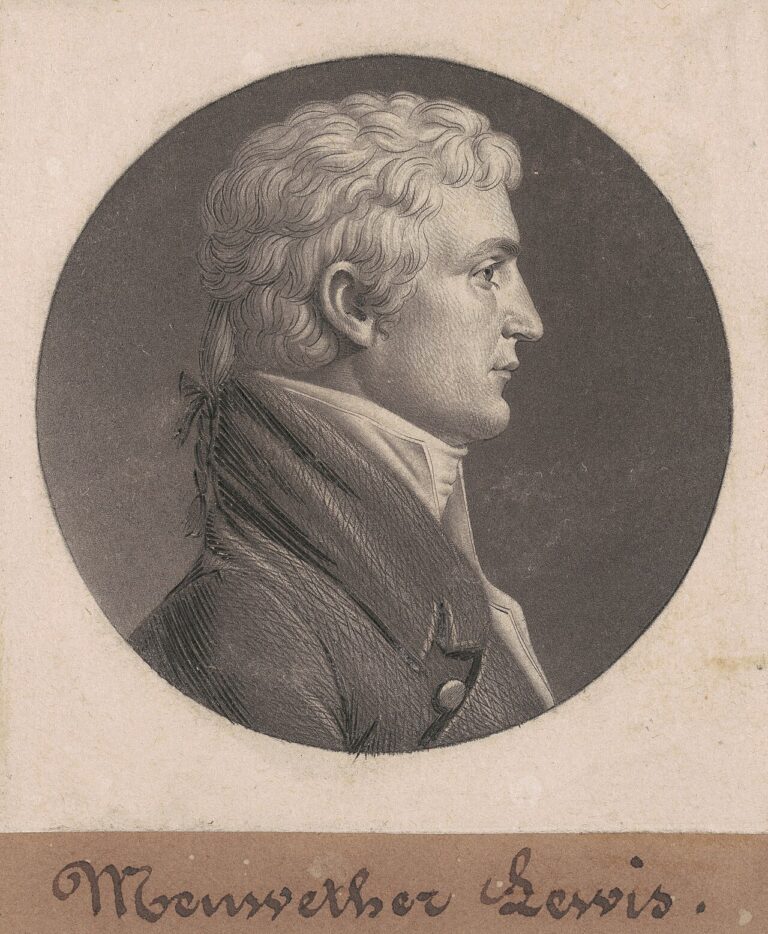
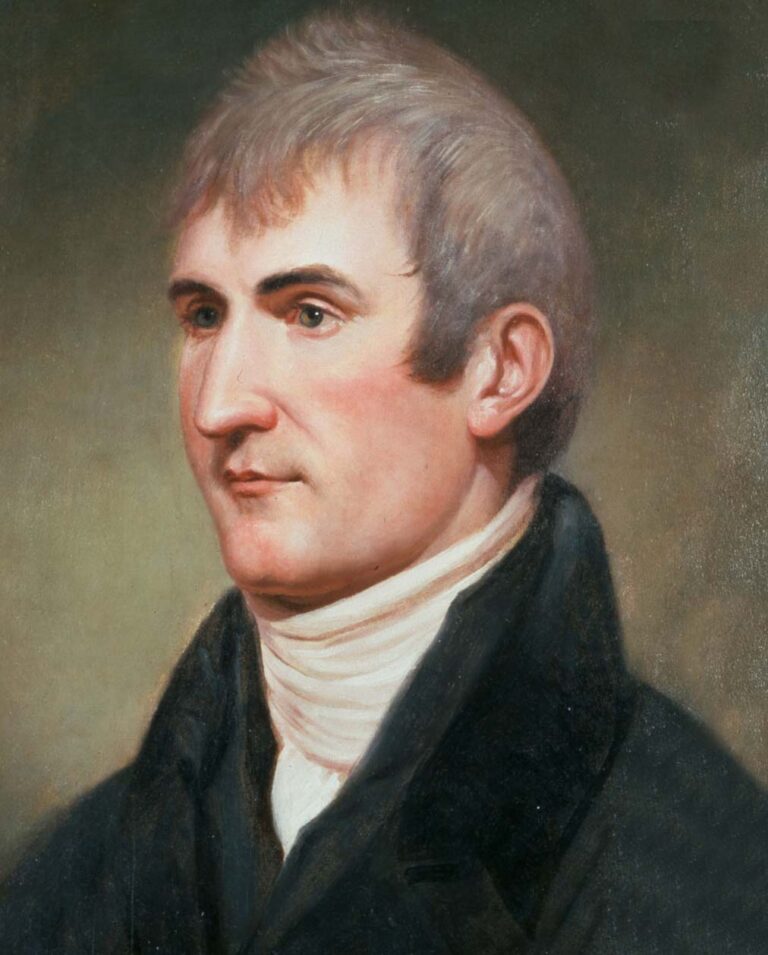
Portrait: Charles Willson Peale, 1807
Related Locations
Note: the longest gap between tagged appearances is about 5 months (Dec 12, 1803 → May 14, 1804). Meriwether Lewis may have been present in the corps during that span but is not named in the journals.
Art (32)
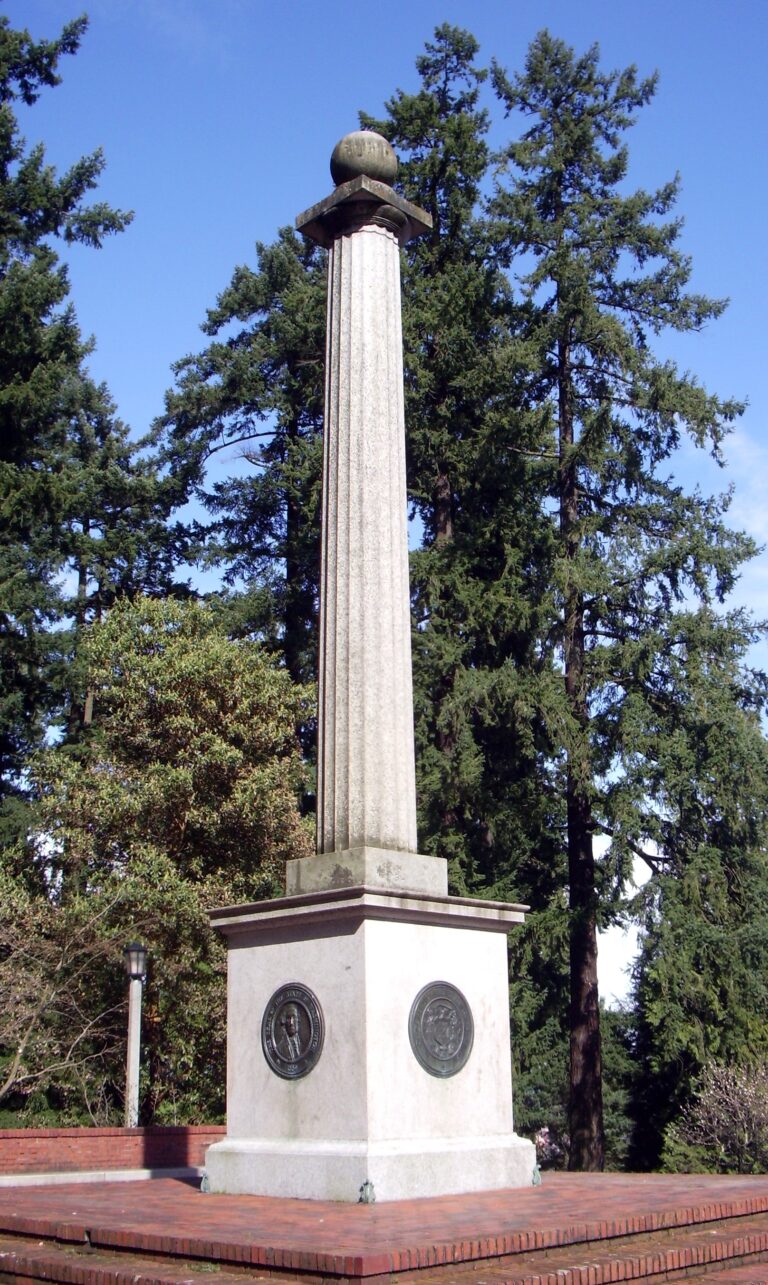
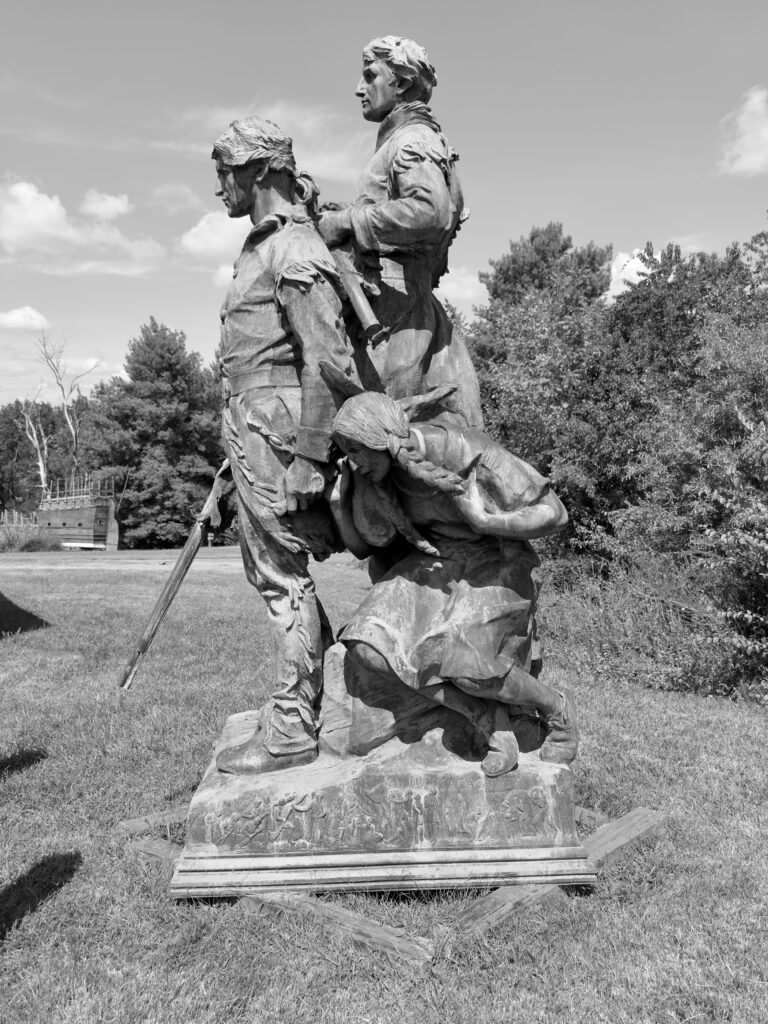
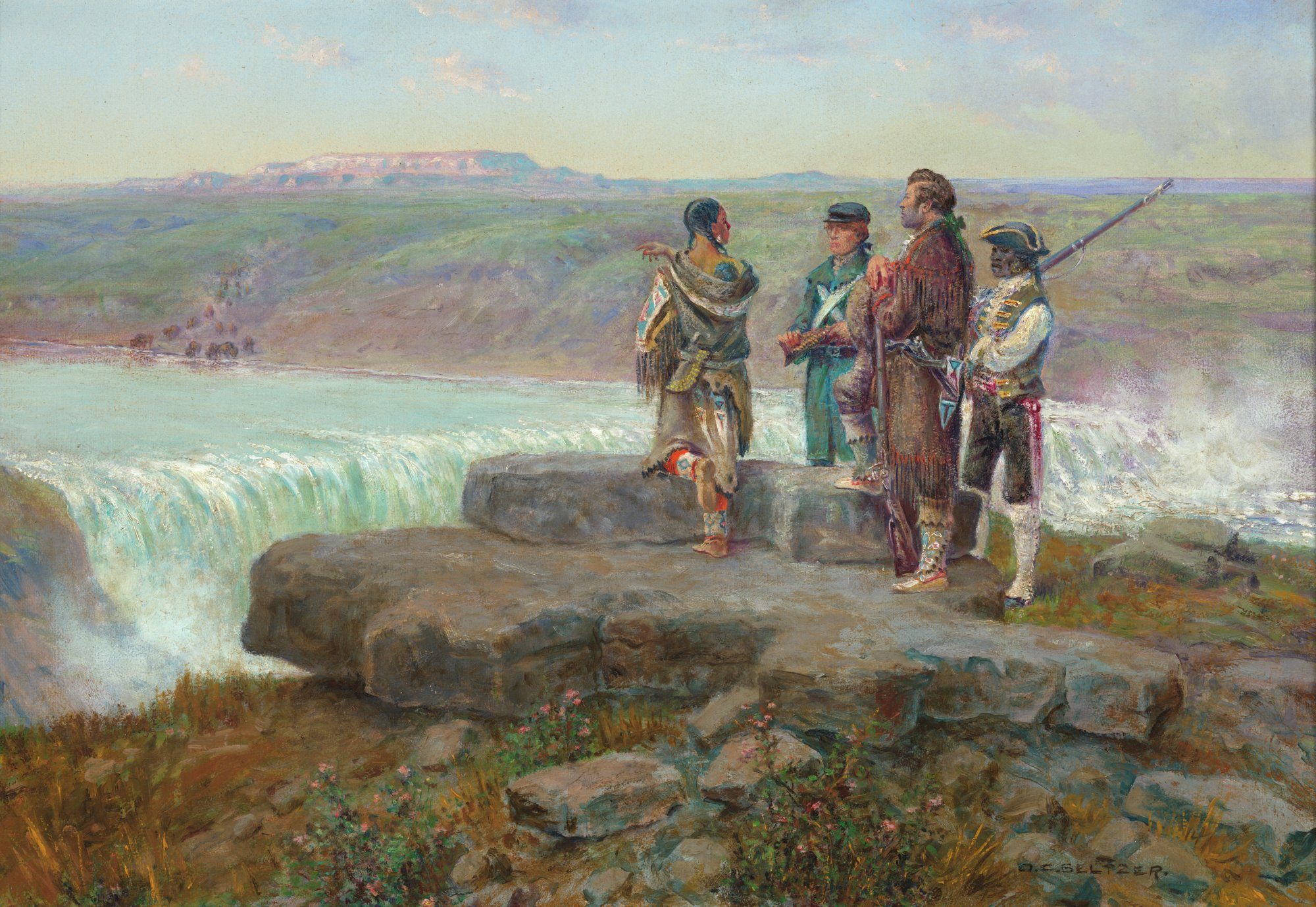
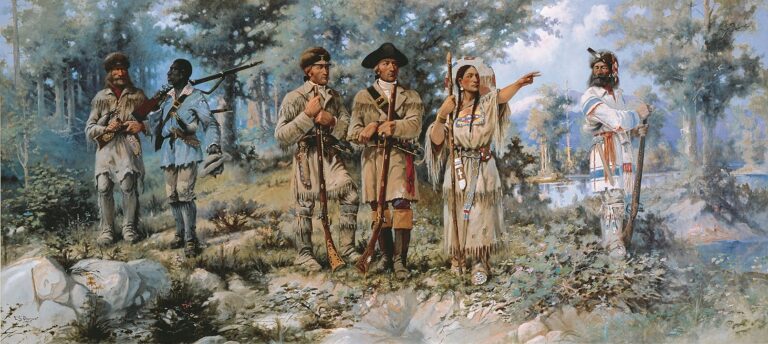
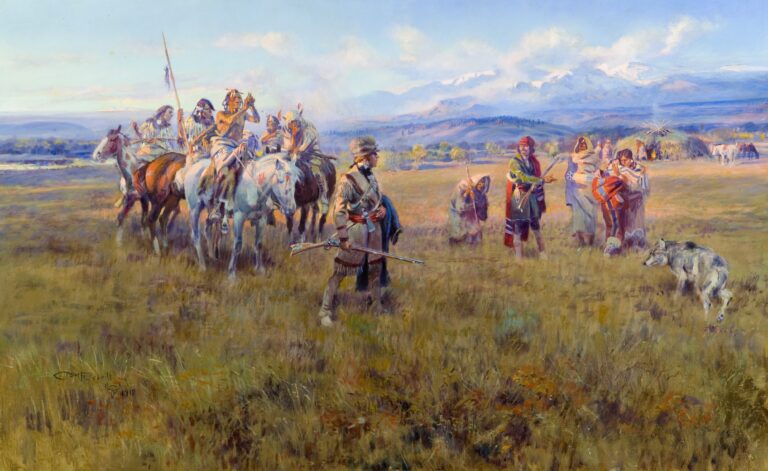
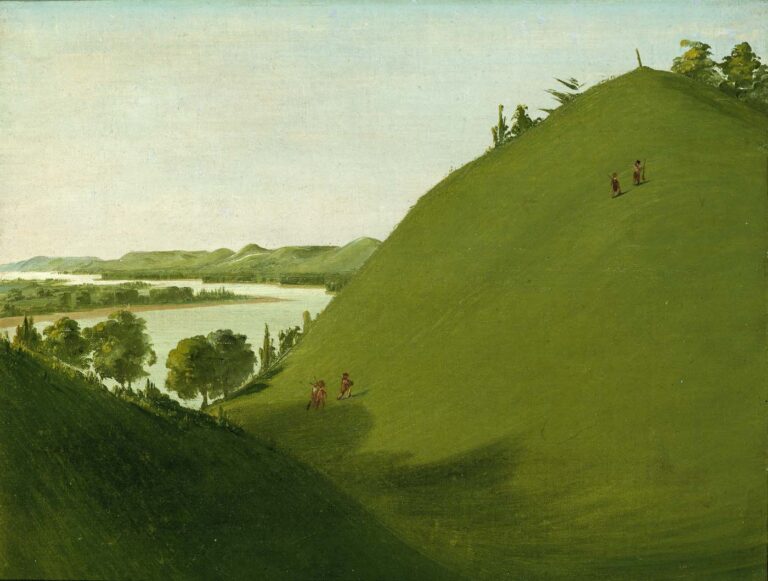
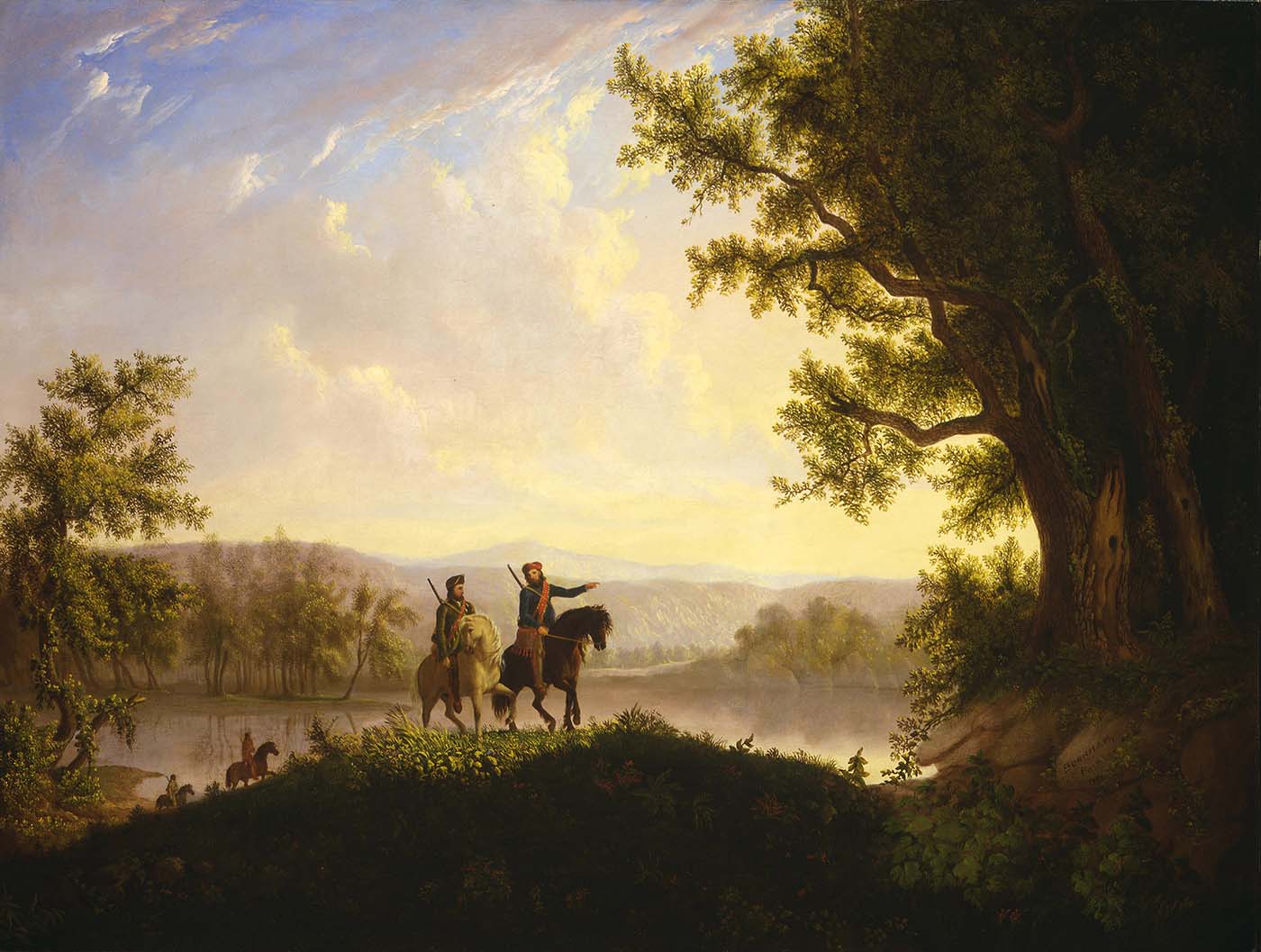
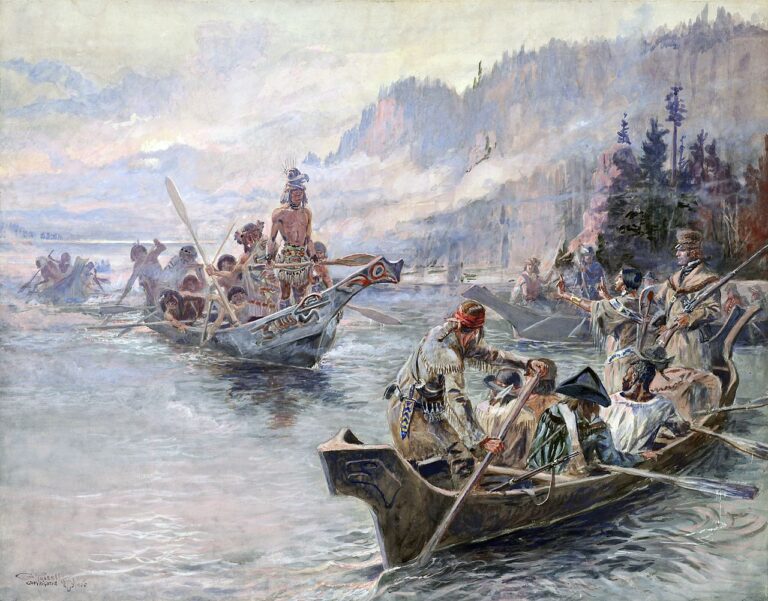
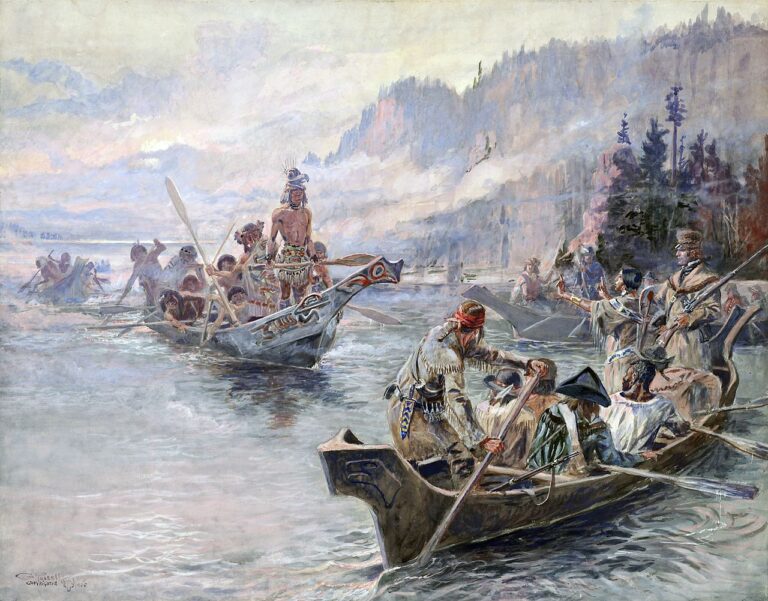
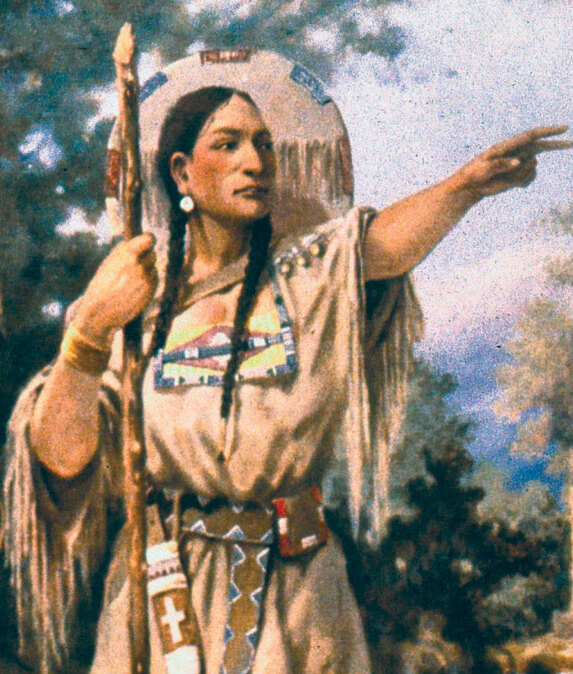
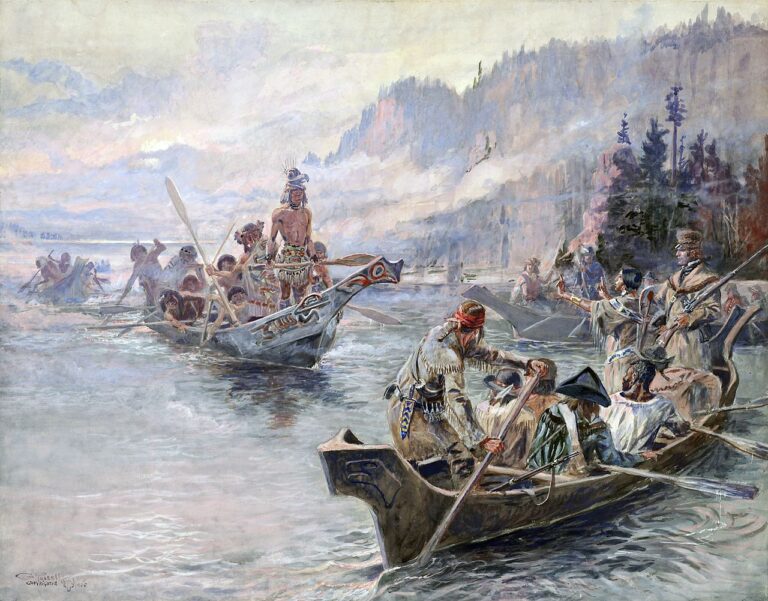
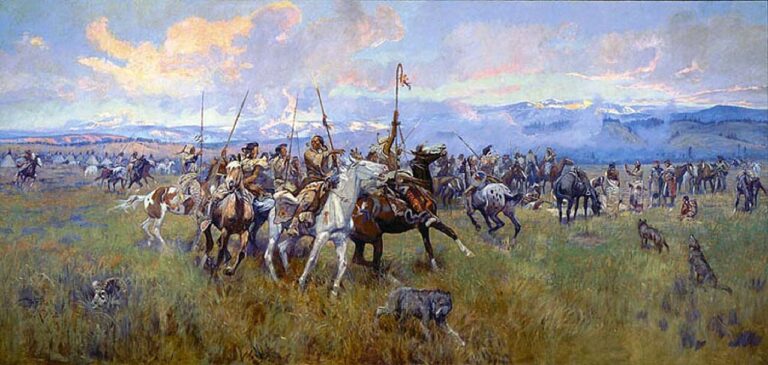
Tent of Many Voices (20)
 23:54
23:54
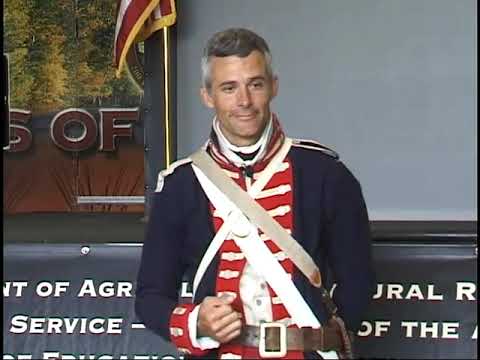 28:18
28:18
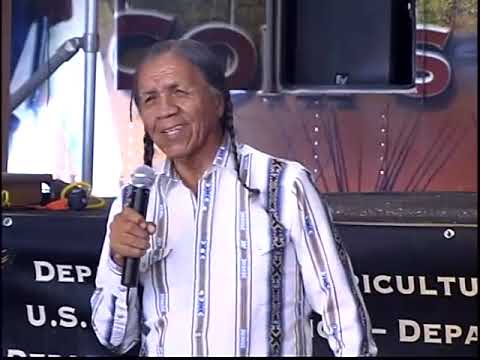 28:37
28:37
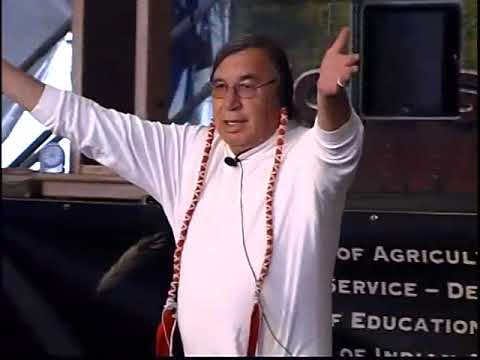 47:34
47:34
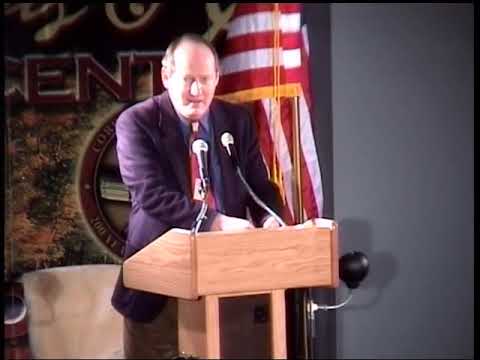 60:31
60:31
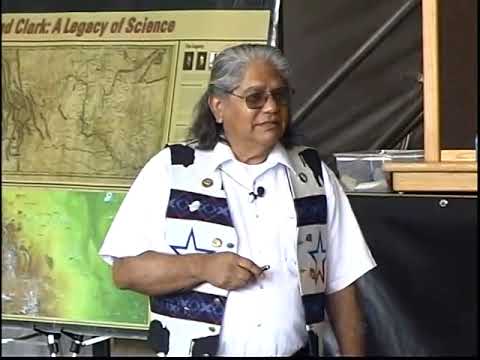 42:53
42:53
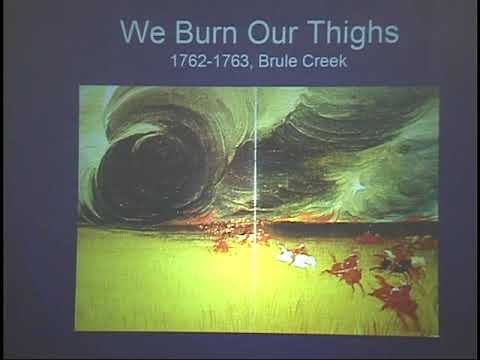 43:19
43:19
 46:28
46:28
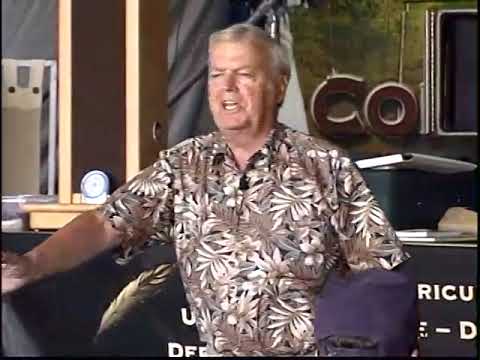 46:37
46:37
 49:59
49:59
 4:06
4:06
 50:21
50:21
 63:20
63:20
 33:16
33:16
 51:37
51:37
 30:15
30:15
 93:28
93:28
 42:03
42:03
 9:39
9:39
 43:36
43:36
Journal Entries (897)
Wildlife (268)
Documents (18)
Weapons (14)



Cross-Narrator Analyses
Analyses that cite or discuss Meriwether Lewis — showing 24 of the most recent matches.
A Beaver, a Bear, and a Bleeding Newfoundland: Three Sergeants on the Missouri
The journal entries for May 19, 1805, offer a textbook case of how the enlisted journalists of the Corps of Discovery cross-pollinated…
A Bighorn Skin and a Broken Cord: Four Views of the Cascades Portage
The entries of April 10, 1806, find the Corps of Discovery laboring up the rapids below the Upper Cascades of the Columbia,…
A Birth at Fort Mandan, A Hunt on the Prairie: Divergent Lenses on February 11, 1805
February 11, 1805, at Fort Mandan. Two published journals in this corpus record the day: Meriwether Lewis and John Ordway. Patrick Gass…
A Broken Rudder, a Fortified Lodge, and Buffalo That Will Not Move
The Rudder and the Late StartEvery narrator opens with the same delay. The red pirogue's rudder irons, broken landing the previous evening,…
A Broken Voyage, a White Bear Skin, and a Missing Sergeant: Four Voices at Camp Chopunnish
The journal entries dated June 1, 1806 offer an unusual structural puzzle for readers of the expedition record. Three of the four…
A Bull Snake, a Lost Knife, and a River Eating Itself
One Day, Five Pens, Five PrioritiesAugust 5, 1804 produces an unusually clear demonstration of how differently the expedition's narrators allocated attention. The…
A Cache, a Departure, and Two Patients on the Marias
The June 11 entries divide cleanly along a geographic seam. Lewis is gone — he set out at 8 A.M. with Drouillard,…
A Camp Divides: Lewis’s Cache and Clark’s Reconnaissance
August 20, 1805 is the first full day in which the captains' journals describe geographically separated activities, and the enlisted-men narrators line…
A Canoe Lost, a Chief Recovering: Four Voices from Camp Chopunnish
The journal entries for May 30, 1806, written from Camp Chopunnish on the Clearwater River, offer an unusually clean opportunity to compare…
A Captain Alone, A Crew Lamed: Convergence on the Jefferson
The entries for July 31, 1805 capture a moment of mild crisis on the Jefferson River: Captain Lewis, having pressed ahead the…
A Captive Crane at the Three Forks
The expedition's pause at the Three Forks of the Missouri produced a revealing cross-section of journal styles. With Captain Clark recovering from…
A Captured Vulture and a Borrowed Page: Parallel Journals at Fort Clatsop
The journals of February 16, 1806 offer an unusually clean specimen of the collaborative writing practices that governed Fort Clatsop's winter quarters.…
A Carrot of Tobacco and a Drawn Sword: Four Accounts of the Teton Standoff
September 28, 1804, below the Teton villages near present Pierre. The keelboat's anchor was lost in the sand the night before. When…
A Conic Mound of Stones: Four Voices on the Bitterroot Summit
The journals of June 27, 1806 offer an unusually clean specimen of how the Lewis and Clark expedition's four active diarists handled…
A Damaged Pirogue, an Indisposed Captain, and a Quiet Order Below the Calumet Bluffs
The entries of August 28, 1804, written as the Corps of Discovery camped below the Calumet Bluffs awaiting the return of Sergeant…
A Day of Waiting at Weippe: Four Pens on Hunger, Fish, and Lost Horses
Stalled at Weippe Prairie waiting for Nez Perce guides who could lead them across the Bitterroots, the Corps of Discovery spent June…
A Day Spent Drying: Five Narrators on a Stalled Aftermath
May 15, 1805 was a recovery day. The previous afternoon's accident with the white pirogue — when a sudden squall nearly capsized…
A Day’s Halt at Travelers’ Rest and the Flathead Encounter
The Corps spent September 10, 1805 in camp at Travelers' Rest, near present-day Lolo, Montana, while hunters fanned out and the captains…
A Day’s Rest at Travelers’ Rest, and Three Riders from the West
September 10, 1805 was meant to be a logistical pause. The captains halted at Travelers' Rest Creek to take observations, rest horses,…
A Deer in the River, a Colt on the Fire: Four Views from Camp Chopunnish
By late May 1806 the Corps of Discovery had been encamped among the Nez Perce (Chopunnish) for nearly two weeks, waiting for…
A Deer, Two Swimmers, and the Limits of Frontier Medicine
The journals of John Ordway, Meriwether Lewis, and William Clark for May 23, 1806 offer an unusually clear window into how the…
A Deserted Village and the Shrinking of the Quicksand
On 31 March 1806, the Corps of Discovery moved up the Columbia from their winter quarters at Fort Clatsop and encamped opposite…
A Feast of Anchovies and the Cock of the Plains: Three Voices at Fort Clatsop
March 2, 1806, at Fort Clatsop. Three published journals survive for the day in this corpus: John Ordway's short trade note, and…
A Finished Canoe, an Empty Larder: Four Voices at Camp Chopunnish
The entries of May 26, 1806, capture the Corps of Discovery in suspended motion at Camp Chopunnish along the Clearwater, waiting for…
From the Heacock Memorial Archive
18 lewis-clark.org articles that mention Meriwether Lewis, preserved here for Robert Heacock’s photography. The articles were written by that site’s contributing authors.
The Sandy River
The "quicksand river"
Rattlesnakes
Crotalus sp.
William Clark (1784–1838)
Beacon Rock
A remarkable, high and detached rock
Alcohol Rations
Ardent spirits on the expedition
A Solitary Hero
Excerpt from River of Promise
April 9, 1806
Beautiful waterfalls
January 8, 1806
A night at Ecola
February 8, 1806
Bringing in the elk
November 7, 1805
Ocean in view?
December 7, 1803
Cahokia arrivals
April 7, 1806
Regulating the firearms
September 6, 1803
Sailing past Steubenville
September 4, 1803
Leaky boats
December 30, 1805
Fair morning
November 3, 1805
The "Quick Sand" River
January 3, 1806
An agreeable food
April 3, 1806
Mapping the Willamette River
Researcher or educator?
Get help using the archive in your work, suggest sources we should include, or talk with us about collaboration and classroom use.


